

Lesser Striped Swallow vs Preuss's Swallow
Cecropis abyssinica contro Petrochelidon preussi
Fai un quiz con Lesser Striped Swallow e Preuss's Swallow
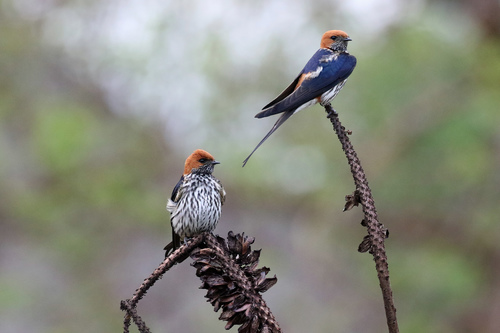 Lesser Striped Swallow
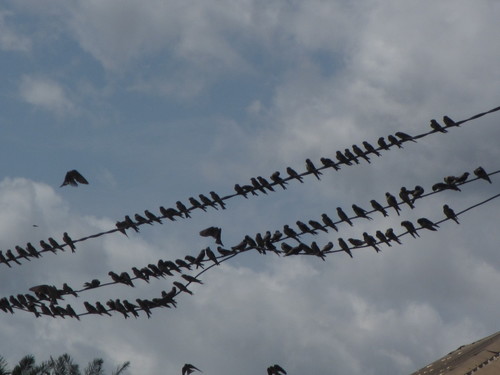 Preuss's Swallow
In breve
Il segno di campo più affidabile tra Lesser Striped Swallow e Preuss's Swallow è la combinazione di caratteristiche del piumaggio: Lesser Striped Swallow mostra una ricca corona rufous-castagna, nuca e lati della testa, un profondo rosso sul codione e parti inferiori bianche fortemente striate, mentre Preuss's Swallow manca di questi colori audaci sulla testa e sul codione e della forte striatura delle parti inferiori. I giovani Lesser Striped Swallow sono più opachi e marroni ma mostrano ancora alcune striature e un accenno di rufous sulla testa, mentre i giovani Preuss's Swallow sono complessivamente meno contrastanti. In volo, la lunga coda profondamente biforcuta di Lesser Striped Swallow con piume esterne allungate è un forte indizio, specialmente negli adulti. Entrambe le specie sono rondini, ma la loro struttura, piumaggio e stile di volo differiscono abbastanza da permettere agli osservatori attenti di separarle, specialmente con buone viste della testa, del codione e della coda.
Consigli di identificazione
- Head Color (All Ages): Lesser Striped Swallow ha una corona rufous-castagna, nuca e lati della testa, che è brillante e ovvio negli adulti e ancora presente, sebbene più opaco, nei giovani. Preuss's Swallow manca di questa caratteristica, con una testa più uniformemente scura o attenuata.
- Rump Color (All Ages): Cerca il profondo rosso sul codione di Lesser Striped Swallow, in contrasto con le parti superiori blu scuro. Preuss's Swallow non mostra un codione rufous o rosso.
- Underpart Streaking (All Ages): Lesser Striped Swallow ha parti inferiori bianche con forti striature scure (variabili per sottospecie, ma sempre presenti). Preuss's Swallow ha parti inferiori più semplici, prive di striature audaci.
- Tail Shape and Length (Adults, Especially Males): Lesser Striped Swallow ha una lunga coda profondamente biforcuta con piume esterne allungate; queste sono più corte ma ancora presenti nei giovani. Preuss's Swallow ha una coda più corta e squadrata tipica delle rondini di scogliera, senza piume esterne allungate.
- Upperwing and Underwing (All Ages): Le ali superiori di Lesser Striped Swallow sono marrone scuro, con copritrici delle ali inferiori color ruggine. Il motivo delle ali di Preuss's Swallow è meno contrastante e manca delle copritrici delle ali inferiori color ruggine.
- Juvenile Confusion: I giovani Lesser Striped Swallow sono più opachi e marroni, con meno contrasto e streamer della coda più corti, ma mostrano ancora un po' di rufous sulla testa e una leggera striatura sotto. Il giovane Preuss's Swallow è semplice e privo di queste caratteristiche.
- Size and Structure: Lesser Striped Swallow è più grande e più snella, con una coda più lunga e un aspetto più elegante. Preuss's Swallow è più compatto, con una coda più corta e più robusto in volo e quando è posato.
- Flight Style: Lesser Striped Swallow vola con un movimento erratico e a spirale, spesso da solo o in coppie. Preuss's Swallow è più probabile che venga visto in stormi, volando direttamente e rapidamente vicino alle scogliere.
- Perched Posture: Quando è posato, i lunghi streamer della coda di Lesser Striped Swallow sono evidenti, spesso incrociandosi o pendendo bene sotto il posatoio. Preuss's Swallow si posa con una coda più squadrata e meno proiezione della coda.
- Habitat Context: Lesser Striped Swallow si trova spesso vicino a strutture umane, in campagna aperta e savana. Preuss's Swallow è più limitato a scogliere e affioramenti rocciosi.
- Vocalization: Ascolta il nasale 'zeh zeh zeh' di Lesser Striped Swallow. Preuss's Swallow non emette questo richiamo, ma la voce è un segno di campo secondario, non primario.
- Seasonal Movement: Lesser Striped Swallow è parzialmente migratoria nell'Africa meridionale, quindi controlla lo stato locale per stagione. Preuss's Swallow è più sedentaria e legata alle scogliere di nidificazione.
- Pitfalls: Fai attenzione ai giovani opachi: concentrati sul colore della testa e del codione e sulla striatura delle parti inferiori. La lunghezza della coda è meno affidabile nei giovani ma comunque utile.
- Sex Differences: I maschi di Lesser Striped Swallow hanno i streamer della coda più lunghi, ma anche le femmine mostrano una coda biforcuta più lunga di qualsiasi Preuss's Swallow.
- Flock Association: Se visti in un grande stormo compatto vicino a una scogliera, sospetta Preuss's Swallow; se in coppie o piccoli gruppi su fili o edifici, sospetta Lesser Striped Swallow.
Taglia
Lesser Striped Swallow è una grande rondine, che misura 15–19 cm di lunghezza. Nessun dato diretto sulle dimensioni è fornito per Preuss's Swallow, ma per confronto con altre specie di Petrochelidon, è probabile che sia più piccola e più compatta di Cecropis abyssinica. Sul campo, Lesser Striped Swallow apparirà più lunga e più snella, specialmente a causa della sua lunga coda profondamente biforcuta. Preuss's Swallow, come rondine di scogliera, è prevista per apparire con una coda più corta e più robusta, con una coda più squadrata e un profilo più compatto.
Piumaggio
I giovani e immaturi Lesser Striped Swallow sono più opachi e marroni rispetto agli adulti, con meno contrasto e piume esterne della coda più corte, ma mostrano ancora un po' di rufous sulla testa e una leggera striatura sotto. L'adulto Lesser Striped Swallow è distintivo con la sua corona rufous-castagna, nuca e lati della testa, profondo rosso sul codione, parti superiori blu scuro e parti inferiori bianche fortemente striate. Le ali superiori e le piume di volo delle ali inferiori sono marrone scuro, con copritrici delle ali inferiori color ruggine. La coda è nera e profondamente biforcuta, con lunghe piume esterne (le più lunghe nei maschi adulti). Preuss's Swallow manca della testa e del codione rufous, e le sue parti inferiori non sono così fortemente striate; la sua colorazione complessiva è più attenuata e manca di un forte contrasto tra testa e codione. In tutte le età, l'assenza di una corona e di un codione rufous, e la mancanza di una forte striatura delle parti inferiori, separano Preuss's Swallow da Lesser Striped Swallow. In volo, la lunga coda profondamente biforcuta di Lesser Striped Swallow è una differenza chiave rispetto alla coda più corta e squadrata di Preuss's Swallow.
Comportamento
Lesser Striped Swallow ha uno stile di volo erratico tipico delle rondini Cecropis, spesso vista sfrecciare e planare con lunghe ali appuntite e una coda profondamente biforcuta che segue dietro. Spesso si posa su fili o rami esposti. Preuss's Swallow, come rondine di scogliera, è probabile che venga vista in stormi compatti e veloci, specialmente vicino alle colonie di nidificazione, e ha un volo più compatto e diretto con meno proiezione della coda. Lesser Striped Swallow è più probabile che venga vista singolarmente o in coppie, mentre Preuss's Swallow è spesso gregaria.
Habitat
Lesser Striped Swallow nidifica ampiamente in tutta l'Africa subsahariana, preferendo campagna aperta, savana e aree con siti di nidificazione adatti come scogliere, grotte, edifici e ponti. È adattabile e spesso nidifica su strutture create dall'uomo. Preuss's Swallow è anch'essa africana ma è più strettamente legata a scogliere e affioramenti rocciosi per la nidificazione, ed è meno probabile che venga trovata utilizzando edifici o ponti. Nelle aree in cui entrambe si trovano, Lesser Striped Swallow è più probabile che si trovi in habitat aperti e alterati dall'uomo, mentre Preuss's Swallow preferisce pareti di scogliera più naturali.
Voce
Lesser Striped Swallow emette un richiamo nasale 'zeh zeh zeh zeh zeh'. Nessuna vocalizzazione specifica è fornita per Preuss's Swallow, ma le rondini di scogliera generalmente hanno richiami più chiacchieroni e cinguettanti. Se senti un richiamo nasale ripetuto 'zeh', supporta Lesser Striped Swallow, ma la voce da sola non è sempre diagnostica.
Lesser Striped Swallow · Preuss's Swallow · I miei uccelli difficili