

Lesser Horned Owl vs Rufous-legged Owl
Bubo magellanicus contro Strix rufipes
Fai un quiz con Lesser Horned Owl e Rufous-legged Owl
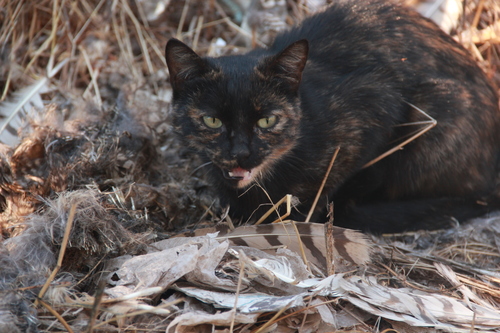 Lesser Horned Owl
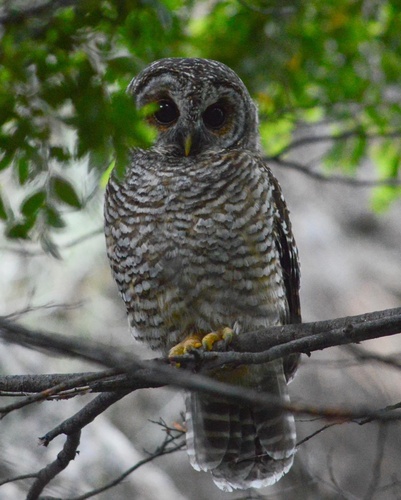 Rufous-legged Owl
In breve
Il segno di campo più affidabile per separare questi due gufi è la presenza o l'assenza di ciuffi auricolari: il Lesser Horned Owl mostra sempre ciuffi auricolari prominenti, mentre il Rufous-legged Owl non li mostra mai. Il Lesser Horned Owl è anche molto più grande e massiccio, con un ventre più chiaro e più barrato e un bordo nero audace sul disco facciale. Al contrario, il Rufous-legged Owl è compatto, con una testa rotonda e di un ricco colore ruggine complessivo, con un disco facciale arrugginito e una fine barratura nera sotto. I giovani del Rufous-legged Owl sono di un caldo color buff con una leggera barratura e un volto fulvo, privi di qualsiasi suggerimento di ciuffi auricolari. Queste differenze sono visibili sia quando sono posati che in volo, ma i ciuffi auricolari e la struttura generale sono i controlli di campo più rapidi.
Consigli di identificazione
- Ciuffi auricolari: il Lesser Horned Owl mostra sempre ciuffi auricolari prominenti, visibili sia quando è posato che in volo. Il Rufous-legged Owl non mostra mai ciuffi auricolari a nessuna età. Questo è il segno di campo più affidabile.
- Forma della testa: il Lesser Horned Owl ha una testa grande e angolare a causa dei ciuffi; la testa del Rufous-legged Owl è rotonda e compatta.
- Disco facciale: il Lesser Horned Owl ha un disco facciale chiaro con un bordo nero audace e strisce bianche sopra gli occhi gialli. Il Rufous-legged Owl ha un disco facciale arrugginito con 'sopracciglia' bianche sopra gli occhi marroni scuri e lore bianchi.
- Colore degli occhi: il Lesser Horned Owl ha occhi gialli; il Rufous-legged Owl ha occhi marroni scuri. Questo è visibile a distanza ravvicinata.
- Parte inferiore: il Lesser Horned Owl è chiaro sotto con barre grigio-marroni strette e macchie scure sul petto. Il Rufous-legged Owl è bianco color buff sotto con molte barre nere fini; il vent è arancio-buff.
- Parte superiore: il Lesser Horned Owl è grigio-marrone e variabile; il Rufous-legged Owl è marrone rossiccio scuro con barre e macchie arancio-buff.
- Coda: la coda del Rufous-legged Owl è marrone rossiccio con barre color buff, che corrispondono ai toni caldi del resto del piumaggio. La coda del Lesser Horned Owl non è descritta specificamente ma non è notata come ruggine.
- Piumaggio giovanile: i giovani del Rufous-legged Owl sono di un caldo color buff con una leggera barratura e un volto fulvo, sempre privi di ciuffi auricolari. I giovani del Lesser Horned Owl mostrerebbero ciuffi auricolari in via di sviluppo e un aspetto più chiaro e barrato.
- Dimensioni e massa: il Lesser Horned Owl è molto più grande e massiccio, con un aspetto di ali larghe e testa grande. Il Rufous-legged Owl è più piccolo, più leggero e più compatto.
- Piedi e becco: il Lesser Horned Owl ha piedi e becco più forti, ma questo è evidente solo a distanza ravvicinata o in mano.
- Silhouette in volo: il Lesser Horned Owl appare con ali larghe e pesante in volo, con ciuffi auricolari spesso visibili. Il Rufous-legged Owl è più compatto e con ali rotonde, privo di ciuffi.
- Voce: se udito, il Lesser Horned Owl emette un richiamo profondo a doppia nota seguito da una nota vibrante. Il richiamo del Rufous-legged Owl non è descritto qui.
- Habitat: entrambi possono verificarsi in regioni simili, quindi non fare affidamento solo sull'habitat per la separazione.
- Trappole: in scarsa illuminazione o a distanza, i ciuffi auricolari possono essere difficili da vedere se schiacciati, ma il Rufous-legged Owl non li mostra mai. I giovani Rufous-legged Owls sono particolarmente semplici e dai toni caldi, ma mancano comunque di ciuffi.
- Sesso e stagione: non sono descritte forti differenze stagionali o sessuali per nessuna delle due specie; i segni principali sono coerenti tutto l'anno.
Taglia
Il Lesser Horned Owl è sostanzialmente più grande, raggiungendo circa 45 cm (18 in) di lunghezza, mentre il Rufous-legged Owl misura solo 33–38 cm (13–15 in). La differenza di massa è anche considerevole: il Rufous-legged Owl pesa in media circa 620 g, mentre il Lesser Horned Owl è più pesante (massa esatta non specificata, ma chiaramente di corpo più grande). Il Lesser Horned Owl appare con ali larghe e testa grande, con una corporatura robusta, mentre il Rufous-legged Owl è più compatto e più leggero in jizz.
Piumaggio
- Piumaggio giovanile/immaturo: i giovani del Rufous-legged Owl sono di un caldo color buff con una leggera barratura marrone scuro e un volto fulvo, privi di ciuffi auricolari o di un forte pattern. I giovani del Lesser Horned Owl non sono descritti in dettaglio ma mostrerebbero i primi segni di ciuffi auricolari e un pattern di parte inferiore generalmente più chiaro e barrato.
- Adulti: il Lesser Horned Owl è principalmente grigio-marrone, variabile nel colore, con parti inferiori chiare e barre grigio-marroni strette, oltre a macchie scure sul petto. Il disco facciale è chiaro con un bordo nero audace e strisce bianche sopra gli occhi gialli. Gli adulti del Rufous-legged Owl sono marrone rossiccio scuro sopra con barre e macchie arancio-buff strette, un disco facciale arrugginito, 'sopracciglia' bianche sopra occhi marroni scuri e parti inferiori bianche color buff con molte barre nere. Il vent è arancio-buff e la coda è marrone rossiccio con barre color buff. Il Rufous-legged Owl non mostra mai ciuffi auricolari e il suo disco facciale è arrugginito piuttosto che chiaro.
Comportamento
Entrambe le specie sono cacciatori notturni, ma il Lesser Horned Owl è più probabile da vedere mentre caccia in campi aperti, mentre il comportamento del Rufous-legged Owl è meno descritto. Entrambi si posano sugli alberi o sulle rocce, ma il Lesser Horned Owl può anche nidificare su scogliere o tra le rocce.
Habitat
Il Lesser Horned Owl occupa una vasta gamma di habitat, tra cui foreste aperte, terreni incolti, terreni agricoli, praterie e caccia in campi aperti. Il Rufous-legged Owl si trova in Argentina e Cile, ma le preferenze specifiche dell'habitat non sono dettagliate qui. Entrambi possono verificarsi in regioni sovrapposte, quindi l'habitat da solo non è diagnostico.
Voce
Il Lesser Horned Owl emette un richiamo profondo: una doppia nota seguita da una nota forte e vibrante (imitata dal nome locale 'tucúquere'). La voce del Rufous-legged Owl non è descritta in queste note, quindi la vocalizzazione è utile solo per il Lesser Horned Owl se udito.
Lesser Horned Owl · Rufous-legged Owl · I miei uccelli difficili