

Lesser Cuckooshrike vs Asian Fairy-bluebird
Lalage fimbriata contro Irena puella
Fai un quiz con Lesser Cuckooshrike e Asian Fairy-bluebird
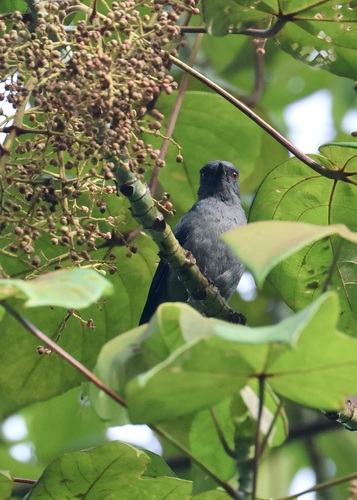 Lesser Cuckooshrike
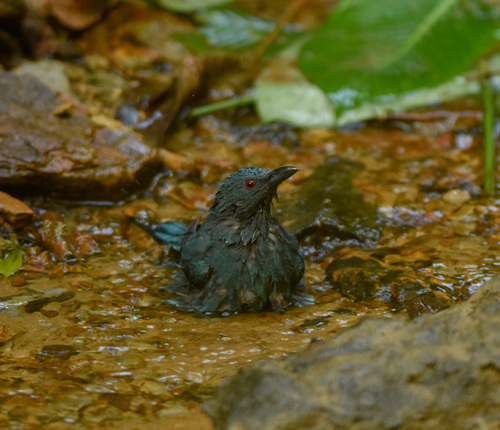 Asian Fairy-bluebird
In breve
Il segno di campo più affidabile per separare il Lesser Cuckooshrike dall'Asian Fairy-bluebird è la colorazione generale: i maschi adulti di Fairy-bluebird sono di un blu ultramarino lucido e nero, mentre i maschi di Lesser Cuckooshrike sono di un grigio scuro uniforme sopra con una testa e una coda nerastre, privi di blu. Le femmine e gli immaturi di entrambe le specie sono più opachi, ma il Fairy-bluebird mostra sempre alcune tonalità di blu, specialmente sulle parti inferiori e sulla coda, mentre le femmine di Lesser Cuckooshrike sono di un grigio più chiaro con striature sottili sotto e gli immaturi sono brunastri con striature o macchie. In volo o a riposo, il Fairy-bluebird è decisamente più grande e massiccio, con una coda più lunga e un becco più pesante. Entrambe le specie possono essere trovate nelle stesse foreste del sud-est asiatico, ma il Lesser Cuckooshrike è più spesso visto in alto nella chioma, a volte in stormi misti, mentre il Fairy-bluebird è più probabile che venga visto singolarmente o in coppie.
Consigli di identificazione
- Il maschio adulto di Fairy-bluebird è di un blu ultramarino lucido sopra con parti inferiori nere e copritrici blu—nessun altro uccello nella regione corrisponde a questa combinazione. Se vedi un forte riflesso blu e nero, non è un Lesser Cuckooshrike.
- Il maschio di Lesser Cuckooshrike è grigio scuro sopra, grigio più chiaro sotto, con una testa e una coda nerastre—mai con tonalità blu. Cerca un uccello semplice, simile a uno shrike, con una coda corta e senza iridescenza.
- La femmina di Fairy-bluebird è brunastra-blu sopra con parti inferiori blu; la femmina di Lesser Cuckooshrike è grigia chiara con striature sottili sotto e non ha affatto blu. Se vedi blu su un uccello di tipo femminile, è un Fairy-bluebird.
- L'immaturo di Lesser Cuckooshrike è brunastra con striature o macchie grigie e bianche sul petto—diverso dal giovane Fairy-bluebird, che è più uniformemente colorato e con sfumature blu.
- Il Fairy-bluebird (tutte le età) ha un'iride cremisi e palpebre rosa; l'iride del Lesser Cuckooshrike è marrone. Questo è visibile da vicino.
- Forma e colore della coda: il Lesser Cuckooshrike ha una coda corta e nera con punte bianche o grigiastre; la coda del Fairy-bluebird è più lunga, nera o marrone scuro, con un riflesso blu sulle piume centrali (soprattutto nei maschi).
- Struttura del becco: il Fairy-bluebird ha un becco più pesante e robusto, mentre il becco del Lesser Cuckooshrike è più snello e simile a quello di uno shrike.
- Dimensioni: il Fairy-bluebird è molto più grande e massiccio (24–27 cm, 65 g) rispetto al più piccolo e compatto Lesser Cuckooshrike (20 cm).
- Comportamento: il Lesser Cuckooshrike è più attivo, spesso in stormi misti, e si muove rapidamente attraverso la chioma; il Fairy-bluebird è più solitario o in coppie, si posa più apertamente e si muove più deliberatamente.
- Contesto dell'habitat: entrambe le specie si trovano nella chioma della foresta, ma se vedi un uccello in uno stormo misto, specialmente nella foresta di pianura o collinare, è più probabile che sia un Lesser Cuckooshrike. Il Fairy-bluebird è più spesso visto da solo o in coppie.
- Stile di volo: il volo del Fairy-bluebird è più lento e diretto a causa della sua costruzione più pesante e della coda più lunga; il Lesser Cuckooshrike è più veloce e agile.
- Schema delle parti inferiori: le femmine e gli immaturi di Lesser Cuckooshrike mostrano striature o macchie sottili sotto; il Fairy-bluebird (femmina e giovane) è più uniformemente blu o blu-tinged sotto.
- Punte della coda: cerca punte bianche o grigiastre sulla coda del Lesser Cuckooshrike, che sono assenti nel Fairy-bluebird.
- Postura in perching: il Fairy-bluebird appare più eretto e massiccio quando è posato, con una coda proporzionalmente più lunga, mentre il Lesser Cuckooshrike è più compatto e simile a uno shrike.
- Se vedi qualche riflesso lilla o ultramarino nel piumaggio, specialmente sulle parti superiori o sulla coda, è un Fairy-bluebird—mai un Lesser Cuckooshrike.
Taglia
L'Asian Fairy-bluebird è decisamente più grande e pesante del Lesser Cuckooshrike. Il Fairy-bluebird misura 24–27 cm di lunghezza e pesa circa 65 g [wikidata], conferendogli un aspetto molto più massiccio, specialmente con la sua coda proporzionalmente più lunga e il becco più pesante. Il Lesser Cuckooshrike è più piccolo e compatto, lungo circa 20 cm, con una coda più corta e una costruzione più snella. Questa differenza di dimensioni è evidente anche a distanza, specialmente quando entrambe le specie sono viste nella stessa area.
Piumaggio
I giovanili e gli immaturi di Lesser Cuckooshrike sono brunastri sopra con striature o macchie grigie e bianche su un petto pallido, mentre i giovani Asian Fairy-bluebirds somigliano a femmine adulte ma mostrano sempre alcune tonalità di blu, specialmente sulle parti inferiori e sulla coda. I maschi adulti di Fairy-bluebird sono inconfondibili: blu ultramarino lucido con riflessi lilla sulle parti superiori, parti inferiori nere e copritrici blu. Le femmine di Fairy-bluebird sono brunastra-blu sopra con bordi di piume più chiari e blu sulle parti inferiori, mentre le femmine di Lesser Cuckooshrike sono di un grigio chiaro uniforme con striature sottili sotto e mancano di blu. La coda del Lesser Cuckooshrike è nera con punte chiare (bianche o grigiastre), mentre la coda del Fairy-bluebird è per lo più nera o marrone scuro con un riflesso blu sulle piume centrali. In tutte le età, l'iride del Fairy-bluebird è cremisi, mentre quella del Cuckooshrike è marrone.
Comportamento
Il Lesser Cuckooshrike è tipicamente visto in alto nella chioma, spesso in coppie o come parte di stormi misti, e a volte forma piccoli stormi in inverno. Tende ad essere più attivo e si muove attraverso le cime degli alberi in cerca di insetti. L'Asian Fairy-bluebird è anche arboricolo ma è più probabile che venga visto singolarmente o in coppie, muovendosi più deliberatamente e spesso posandosi in modo aperto. La sua costruzione più pesante e la coda più lunga gli conferiscono un volo più lento e diretto rispetto ai movimenti più rapidi e agili del Cuckooshrike.
Habitat
Entrambe le specie abitano le foreste del sud-est asiatico e delle Grandi Sunda, ma il Lesser Cuckooshrike è più strettamente legato alle foreste primarie di pianura e collinari, a volte fino a 1000–1500 m, e visiterà anche piantagioni e giardini vicino ai margini della foresta. L'Asian Fairy-bluebird si trova in habitat forestali simili ma è generalmente più diffuso in una varietà di tipi di foresta, comprese le aree di crescita secondaria. Entrambe le specie sono arboricole e preferiscono la chioma, ma il Cuckooshrike è più propenso a unirsi a stormi misti.
Lesser Cuckooshrike · Asian Fairy-bluebird · I miei uccelli difficili