

Uccello delle tempeste codaforcuta vs Uccello delle tempeste di Swinhoe
Hydrobates leucorhous contro Hydrobates monorhis
Fai un quiz con Uccello delle tempeste codaforcuta e Uccello delle tempeste di Swinhoe
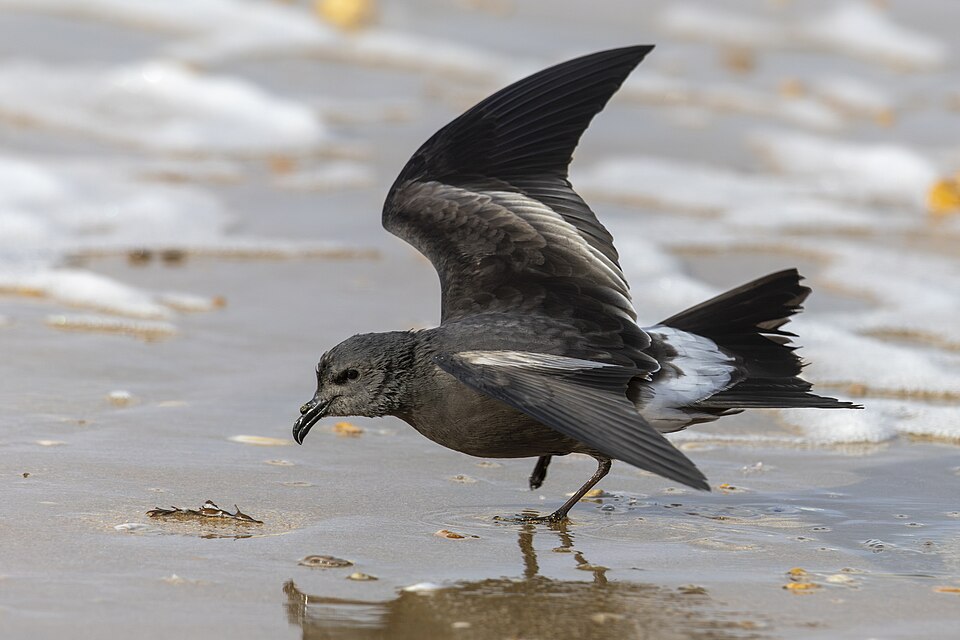 Uccello delle tempeste codaforcuta
 Uccello delle tempeste di Swinhoe
In breve
Il segno di campo più affidabile per separare l'Uccello delle tempeste codaforcuta dall'Uccello delle tempeste di Swinhoe è la presenza o assenza di un sopracciglio bianco: l'Uccello delle tempeste codaforcuta mostra tipicamente una macchia bianca sul sopracciglio (spesso con una linea centrale scura), mentre l'Uccello delle tempeste di Swinhoe ha un sopracciglio uniformemente scuro. Tuttavia, gli Uccelli delle tempeste codaforcuta con sopracciglio scuro si trovano nel Pacifico e possono essere molto difficili da distinguere dall'Uccello delle tempeste di Swinhoe, quindi è essenziale prestare attenzione alla struttura e ai dettagli sottili del piumaggio. Entrambe le specie sono simili in dimensioni e condividono una coda forked e un volo fluttuante, ma l'Uccello delle tempeste di Swinhoe è complessivamente più scuro e privo di bianco sul sopracciglio. Negli uccelli completamente scuri, l'identificazione può richiedere un'attenta analisi dello stile di volo e, in alcuni casi, non è possibile senza analisi genetica.
Consigli di identificazione
- Il modello del sopracciglio è fondamentale: L'Uccello delle tempeste codaforcuta mostra quasi sempre una macchia bianca sul sopracciglio, spesso con una linea centrale scura; l'Uccello delle tempeste di Swinhoe è completamente scuro sul sopracciglio. Questo è il segno più affidabile nell'Atlantico e per la maggior parte degli Uccelli delle tempeste codaforcuta a livello globale.
- Attenzione agli Uccelli delle tempeste codaforcuta scuri: Nel Pacifico nord-orientale, una proporzione significativa di Uccelli delle tempeste codaforcuta è scura e può essere indistinguibile dall'Uccello delle tempeste di Swinhoe sul campo. Se vedi un uccello scuro in questa regione, l'identificazione potrebbe non essere possibile senza ulteriori prove.
- Tonalità complessiva del piumaggio: L'Uccello delle tempeste di Swinhoe è uniformemente marrone scuro, mentre l'Uccello delle tempeste codaforcuta è tipicamente più nero con un volto più chiaro e talvolta una barra più chiara sulle copritrici secondarie. Queste differenze sono sottili e inaffidabili in mare.
- Forma della coda: Entrambe le specie hanno una coda forked, ma questo non è un separatore utile tra di loro.
- Stile di volo: Entrambi hanno un volo fluttuante, galleggiante e spesso battono sull'acqua. L'Uccello delle tempeste di Swinhoe potrebbe nutrirsi più immergendo e meno battendo, ma questa è una sottile differenza comportamentale e non sempre visibile.
- Dimensioni: Entrambi sono della stessa dimensione; non usare la dimensione per separarli.
- Habitat e contesto: Entrambi sono pelagici e raramente visti dalla terra. L'Uccello delle tempeste di Swinhoe è meno probabile che segua le navi, ma questo non è un segno di campo affidabile.
- Contesto geografico: Nell'Atlantico, un uccello delle tempeste con un sopracciglio scuro è quasi certamente l'Uccello delle tempeste di Swinhoe, poiché gli Uccelli delle tempeste codaforcuta scuri sono estremamente rari lì. Nel Pacifico, entrambe le specie possono essere scure, quindi è necessaria cautela.
- Età e stagione: Non ci sono differenze note specifiche per età nel modello delle ali superiori o nello stile di volo tra queste due specie; il modello del sopracciglio è coerente in tutte le età.
- Voce: I richiami differiscono ma non sono descritti nelle fonti e sono raramente utili in mare.
- Dettagli strutturali: Entrambi hanno ali lunghe e proporzioni simili; la struttura non è un separatore affidabile.
- Trappole: L'analisi del DNA è stata utilizzata per confermare l'Uccello delle tempeste di Swinhoe in regioni dove si trovano gli Uccelli delle tempeste codaforcuta scuri. Sul campo, alcuni individui non possono essere identificati in modo sicuro.
- Riepilogo per l'uso sul campo: Se vedi un uccello delle tempeste con un sopracciglio bianco, è un Uccello delle tempeste codaforcuta. Se il sopracciglio è completamente scuro, considera la posizione: nell'Atlantico, è probabile che sia l'Uccello delle tempeste di Swinhoe; nel Pacifico, potrebbe essere entrambi, e sono necessarie ulteriori prove.
Taglia
Sia l'Uccello delle tempeste codaforcuta che l'Uccello delle tempeste di Swinhoe sono molto simili in dimensioni, con lunghezze di 18–21 cm e aperture alari di 43–48 cm (Uccello delle tempeste codaforcuta) e 45–48 cm (Uccello delle tempeste di Swinhoe) [wikipedia]. Non c'è una differenza di dimensioni pratica sul campo tra questi due; entrambi sono distintamente più grandi dell'Uccello delle tempeste europeo, ma non separabili l'uno dall'altro solo per dimensione.
Piumaggio
- Giovanile/immaturo/adulto non in riproduzione: La distinzione chiave è il sopracciglio: l'Uccello delle tempeste codaforcuta mostra quasi sempre una macchia bianca sul sopracciglio, spesso divisa da una linea scura, visibile in volo e a riposo. L'Uccello delle tempeste di Swinhoe è completamente marrone scuro, incluso il sopracciglio, senza bianco a qualsiasi età o stagione. Tuttavia, gli Uccelli delle tempeste codaforcuta con sopracciglio scuro si trovano, specialmente nel Pacifico, e sono rari altrove. Entrambe le specie hanno un piumaggio scuro complessivo simile e una barra chiara sulle copritrici secondarie è talvolta visibile sull'Uccello delle tempeste codaforcuta ma non è un segno di campo forte per la separazione. L'Uccello delle tempeste di Swinhoe è più uniformemente marrone scuro, mentre l'Uccello delle tempeste codaforcuta può apparire più nero con un volto leggermente più chiaro.
- Adulto in riproduzione: Stesso di sopra; il modello del sopracciglio rimane il segno più utile. Non sono state notate differenze specifiche per età nel modello delle ali superiori nelle fonti per nessuna delle due specie.
- Trappola: Gli Uccelli delle tempeste codaforcuta scuri possono essere indistinguibili dall'Uccello delle tempeste di Swinhoe sul campo, specialmente in mare.
Comportamento
Entrambe le specie hanno un volo fluttuante e galleggiante e spesso battono sull'acqua mentre si nutrono. L'Uccello delle tempeste codaforcuta è noto per il suo battere e raccogliere cibo dalla superficie, mentre si dice che l'Uccello delle tempeste di Swinhoe si nutra principalmente immergendo e non batte tanto. Entrambi sono strettamente pelagici al di fuori della stagione di riproduzione e raramente visti dalla terra, tranne dopo le tempeste. L'Uccello delle tempeste di Swinhoe è strettamente notturno nei siti di riproduzione, evitando l'atterraggio nelle notti di luna piena per sfuggire ai predatori; questo non è specificamente menzionato per l'Uccello delle tempeste codaforcuta ma è tipico degli uccelli delle tempeste.
Habitat
Entrambi sono altamente pelagici e raramente visti vicino alla terra, tranne che nelle colonie di riproduzione o dopo le tempeste. L'Uccello delle tempeste di Swinhoe è particolarmente elusivo, con siti di riproduzione in aree remote e una tendenza ad evitare le navi, mentre l'Uccello delle tempeste codaforcuta potrebbe essere più probabile da vedere dalle barche. Entrambi nidificano in tane e sono limitati a muoversi sulla terra.
Voce
I richiami differiscono, ma non sono forniti dettagli vocali identificabili sul campo nelle fonti. Il richiamo dell'Uccello delle tempeste di Swinhoe è distinto da quello dell'Uccello delle tempeste codaforcuta, ma in pratica, le vocalizzazioni sono raramente diagnostiche in mare e non sono descritte qui.
Uccello delle tempeste codaforcuta · Uccello delle tempeste di Swinhoe · I miei uccelli difficili