

Karoo Long-billed Lark vs Cape Long-billed Lark
Certhilauda subcoronata contro Certhilauda curvirostris
Fai un quiz con Karoo Long-billed Lark e Cape Long-billed Lark
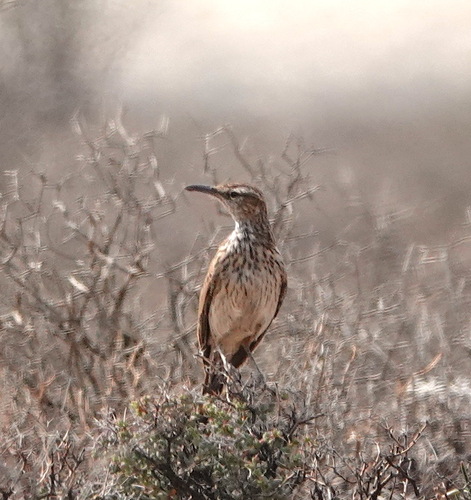 Karoo Long-billed Lark
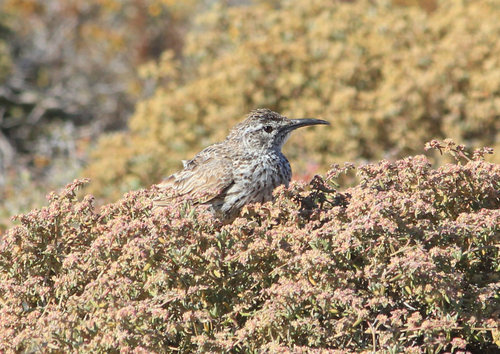 Cape Long-billed Lark
In breve
Karoo Long-billed Lark e Cape Long-billed Lark sono notoriamente simili, specialmente nel piumaggio adulto, ma possono spesso essere separati da sottili differenze nella struttura, nell'habitat e nel contesto. Non ci sono forti differenze documentate nei modelli di volo o nelle ali specifiche per età tra questi due, quindi la separazione sul campo si basa sulla forma del becco, sull'aspetto generale e, soprattutto, sull'habitat e sull'areale. Entrambi sono grandi allodole di colore sabbia-marrone con lunghi becchi ricurvi, ma Cape Long-billed Lark tende a mostrare un becco più pronunciato e pesante, ed è più spesso trovato in fynbos costieri e praterie, mentre Karoo Long-billed Lark preferisce la vegetazione arbustiva secca e interna del Karoo. Indizi vocali e comportamentali non sono affidabilmente distintivi sul campo.
Consigli di identificazione
- Bill shape: Cape Long-billed Lark di solito mostra un becco più pesante e più fortemente ricurvo rispetto a Karoo Long-billed Lark. Questo è più utile a distanza ravvicinata o in buone viste di profilo. Fai attenzione alla sovrapposizione e alla variazione individuale, specialmente nelle femmine e nei giovani.
- Overall jizz: Cape Long-billed Lark può apparire più robusto e massiccio, con un aspetto più profondo nel petto, mentre Karoo Long-billed Lark è spesso leggermente più snello e lungo. Questo è sottile e meglio utilizzato con altri segni.
- Plumage tone: Entrambe le specie sono sabbia-marrone sopra e chiare sotto, con striature. Cape Long-billed Lark (soprattutto la sottospecie Agulhas) può essere leggermente più caldo o più rufoso, ma questo non è affidabile a causa della sovrapposizione e dell'usura.
- Upperwing and flight pattern: Non ci sono differenze distintive nei modelli di volo o nelle ali specifiche per età documentate. Entrambe le specie mancano di forti pannelli contrastanti o segni distintivi sulle ali giovanili.
- Habitat: Karoo Long-billed Lark è tipica della vegetazione arbustiva secca e interna del Karoo; Cape Long-billed Lark è più spesso in fynbos costieri, praterie e terreni agricoli. Usa l'habitat come un forte indizio di supporto, ma non come unico criterio nelle zone di sovrapposizione.
- Range: Se ti trovi nella regione costiera del sud-ovest del Capo, è più probabile che tu veda Cape Long-billed Lark; nel Karoo centrale o settentrionale, predominano Karoo Long-billed Lark. Controlla le mappe locali dell'areale per il tuo sito.
- Behavior: Entrambe le specie si nutrono a terra e volano basso; non sono state notate forti differenze comportamentali.
- Vocalization: I richiami e i canti non sono separabili in modo affidabile sul campo.
- Subspecies confusion: Alcune sottospecie di Karoo Long-billed Lark e Cape Long-billed Lark sono state trattate in passato come specie separate o come sottospecie l'una dell'altra. Se ti trovi in una zona di potenziale sovrapposizione o ibridazione, l'identificazione potrebbe essere genuinamente incerta.
- Sex and age: Non ci sono segni documentati di dimorfismo sessuale o segni specifici per età per la separazione; entrambi i sessi e tutte le età sono simili in entrambe le specie.
- Pitfalls: Non fare affidamento su singole caratteristiche come il colore generale o le striature sul petto, poiché queste sono altamente variabili e sovrapposte. La forma del becco e l'habitat insieme sono più utili.
- Context: Se vedi un'allodola dal lungo becco in un terreno agricolo o in fynbos costieri, inclina verso Cape Long-billed Lark; in un Karoo arido e roccioso, inclina verso Karoo Long-billed Lark.
- Uncertainty: In alcuni casi, specialmente con viste lontane o scarse, o in aree di sovrapposizione dell'areale, l'identificazione sul campo potrebbe non essere possibile. L'incertezza onesta è preferibile all'eccessiva sicurezza.
Taglia
Entrambe le specie sono grandi per le allodole e simili in dimensioni, senza una chiara differenza in lunghezza o massa documentata nelle fonti [avonet][wikidata]. La dimensione e la curvatura del becco sono più utili delle dimensioni complessive: Cape Long-billed Lark ha tipicamente un becco più pesante e più fortemente ricurvo, mentre il becco di Karoo Long-billed Lark è lungo ma leggermente meno robusto e meno profondamente curvato. In mano o a distanza molto ravvicinata, questa può essere una distinzione sottile ma utile.
Piumaggio
Non ci sono differenze specifiche per età nelle ali o nei modelli di volo descritte nelle fonti per entrambe le specie. Sia gli adulti che i giovani sono di colore sabbia a rufoso-marrone sopra con parti inferiori chiare, e entrambi mostrano striature sul petto e sui fianchi. Possono esistere sottili differenze di tono (Cape Long-billed Lark a volte descritta come più calda o più rufosa, specialmente nella sottospecie Agulhas), ma queste non sono affidabili sul campo e si sovrappongono ampiamente. I piumaggi giovanili e immaturi non sono descritti come distinti tra i due, e entrambi mancano di forti pannelli sulle ali o segni contrastanti sulle ali superiori. In tutte le età, la forma del becco (vedi sopra) e l'habitat sono più affidabili del piumaggio.
Comportamento
Entrambe le specie si nutrono a terra in habitat aperti, aridi o semi-aridi, spesso correndo o camminando piuttosto che saltellando. Il volo è tipicamente basso e ondulato. Non ci sono forti differenze comportamentali notate nelle fonti che separerebbero affidabilmente i due sul campo.
Habitat
L'habitat è spesso l'indizio pratico più utile sul campo. Karoo Long-billed Lark è fortemente associata alla vegetazione arbustiva secca e interna del Karoo nell'Africa meridionale, specialmente nel sud-ovest del Capo e in Namibia [wikipedia]. Cape Long-billed Lark, pur sovrapponendosi in alcune aree di arbusti semi-aridi, è più spesso trovata in fynbos costieri, praterie e terreni agricoli, specialmente nella regione del sud-ovest del Capo. Se ti trovi nel vero Karoo o in vegetazione arbustiva secca lontano dalla costa, è più probabile che tu veda Karoo Long-billed Lark; in fynbos costieri o quasi costieri, praterie o terreni agricoli, Cape Long-billed Lark è favorita. Tuttavia, gli areali possono sovrapporsi in zone di transizione, quindi usa l'habitat in combinazione con altri segni.
Voce
Non ci sono differenze affidabili nella vocalizzazione descritte tra queste due specie nelle fonti. Entrambe hanno richiami e canti simili a quelli delle allodole, e le vocalizzazioni non sono considerate diagnostiche per la separazione sul campo.
Karoo Long-billed Lark · Cape Long-billed Lark · I miei uccelli difficili