

Jungle Myna vs Great Myna
Acridotheres fuscus contro Acridotheres grandis
Fai un quiz con Jungle Myna e Great Myna
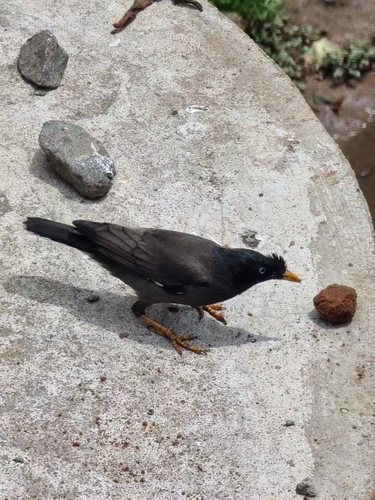 Jungle Myna
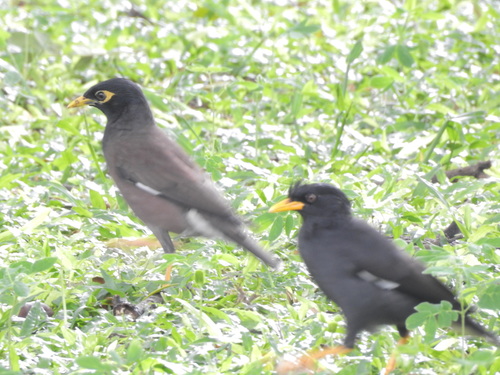 Great Myna
In breve
Il segno di campo più affidabile per separare Jungle Myna da Great Myna è l'estensione e il modello di bianco sul ventre e sulla coda: Great Myna mostra un'area bianca audace dal ventre fino alla punta della coda, mentre Jungle Myna ha solo un ventre di colore crema pallido o fumoso e punte bianche larghe sulle penne della coda. In volo, entrambe le specie mostrano una macchia bianca sulle ali, ma il bianco di Great Myna è più esteso e l'uccello appare complessivamente più scuro e lucido. Entrambi hanno una cresta frontale, ma quella di Great Myna è più lunga e spesso si arriccia all'indietro in modo più evidente. I giovani Jungle Mynas sono più marroni con una gola pallida, mentre i giovani Great Myna non sono descritti in dettaglio ma sono probabilmente più scuri nel complesso. Usa il colore dell'iride e il modello del ventre per le popolazioni locali quando possibile, ma fai attenzione alla sovrapposizione e alla variazione.
Consigli di identificazione
- Modello del ventre e della coda (tutte le età): Great Myna mostra un'area bianca audace dal ventre alla punta della coda, formando una macchia bianca continua quando vista da dietro o sotto. Jungle Myna ha solo un ventre di colore crema pallido o fumoso (a seconda della popolazione), con punte bianche larghe sulle penne della coda ma non un pannello bianco solido dal ventre alla coda.
- Macchia sulle ali in volo (tutte le età): Entrambe le specie mostrano una macchia bianca sulle ali alla base delle primarie, ma quella di Great Myna è tipicamente più estesa e l'uccello appare complessivamente più scuro e lucido in volo, mentre Jungle Myna è più grigio con meno contrasto.
- Cresta frontale (adulti): Entrambi hanno una cresta ciuffata, ma quella di Great Myna è più lunga e spesso si arriccia all'indietro in modo più evidente. La cresta di Jungle Myna è più corta e più eretta.
- Colore complessivo (adulti): Jungle Myna è grigia con una testa e ali più scure; Great Myna è complessivamente più nera e lucida.
- Colore del becco (adulti): Entrambi hanno becchi gialli, ma Jungle Myna spesso mostra una base più scura con una sfumatura blu, specialmente sulla mandibola inferiore. Il becco di Great Myna è semplicemente giallo.
- Colore dell'iride (adulti, regionale): Alcune popolazioni di Jungle Myna (India meridionale) hanno un'iride blu, altre (India nordorientale, Birmania, Penisola malese) hanno un'iride gialla. Il colore dell'iride di Great Myna non è descritto, quindi usa questo segno con cautela.
- Piumaggio giovanile: I giovani Jungle Mynas sono più marroni con una gola pallida e un ventre più chiaro; i giovani Great Myna sono probabilmente più scuri e lucidi, ma i dettagli mancano.
- Pelle nuda attorno all'occhio: Nessuna delle due specie mostra pelle nuda attorno all'occhio (a differenza di Common o Bank Myna), quindi questo non è un separatore tra le due.
- Habitat (contestuale): Nelle aree sovrapposte, Jungle Myna è più probabile che si trovi in ambienti aperti, agricoli o urbani, mentre Great Myna potrebbe preferire habitat più umidi o boschivi, ma questo non è diagnostico.
- Comportamento: Entrambe le specie si nutrono a terra e possono essere viste in stormi misti, ma Jungle Myna è più spesso vista posata su animali da pascolo o seguendo gli aratri.
- Voce: I richiami non sono separabili in modo affidabile sul campo in base alle informazioni attuali.
- Sesso e stagione: Entrambe le specie sono sessualmente monomorfiche e non mostrano forti cambiamenti nel piumaggio stagionale, quindi questi non sono utili per la separazione.
- Trappole: Fai attenzione alla variazione all'interno delle popolazioni di Jungle Myna (colore del ventre, colore dell'iride) e alla possibile sovrapposizione con Great Myna nell'India nordorientale. Dai sempre priorità al modello bianco dal ventre alla coda e alla lucentezza complessiva per la separazione sul campo.
- Leucismo: Jungle Mynas anormali, pallidi o leucistici sono stati registrati e potrebbero confondere la questione; controlla i segni strutturali e di modello prima di fare affidamento sul colore complessivo.
- Stormi misti: Entrambe le specie possono verificarsi insieme, specialmente nell'India nordorientale. Un'osservazione attenta del modello ventre/coda e della lunghezza della cresta è essenziale quando gli uccelli sono visti insieme.
Taglia
Jungle Myna ha una massa corporea media registrata di 83 g [wikidata], ma non è disponibile alcuna misurazione per Great Myna. Entrambi sono simili in dimensioni e struttura, con Jungle Myna di circa 23 cm di lunghezza. Sul campo, la dimensione non è un separatore affidabile tra questi due, poiché entrambi sono robusti, mynas di taglia media con proporzioni simili.
Piumaggio
- Uccelli giovani/immaturi: I giovani Jungle Myna sono complessivamente più marroni, con una gola pallida e un ventre più chiaro, mentre gli immaturi Great Myna non sono descritti in dettaglio ma sono probabilmente più scuri e lucidi, corrispondendo più da vicino al modello degli adulti.
- Adulti: Entrambe le specie sono scure con una macchia bianca prominente visibile in volo. Jungle Myna è complessivamente grigia con una testa e ali più scure, e ha un ventre di colore crema pallido o fumoso (a seconda della popolazione), con punte bianche larghe sulle penne della coda. Great Myna è più nera e lucida, con un'area bianca sorprendente dal ventre alla punta della coda, creando una macchia bianca molto più estesa quando vista da dietro o sotto. Entrambi hanno una cresta frontale, ma quella di Great Myna è più lunga e spesso si arriccia all'indietro. Entrambi hanno becchi e zampe gialli, ma la base del becco di Jungle Myna è più scura con una sfumatura blu negli adulti. Il colore dell'iride varia in Jungle Myna (giallo o blu a seconda della regione), ma non è descritto per Great Myna.
Comportamento
Entrambe le specie sono onnivore e si nutrono principalmente a terra, spesso in stormi e talvolta con altri mynas. Jungle Myna è nota per posarsi su mammiferi da pascolo e seguire gli aratri, ed è spesso vista in ambienti più urbani o agricoli. Il comportamento di Great Myna non è descritto in dettaglio, ma essendo un parente stretto, è probabile che sia simile. Entrambe le specie utilizzano cavità secondarie per nidificare e sono opportunistiche nelle loro abitudini alimentari.
Habitat
Jungle Myna è distribuita in modo irregolare in gran parte del subcontinente indiano, ma evita le zone aride. Great Myna si trova dal Sikkim attraverso l'India nordorientale e nell'Indocina. Dove i loro territori si sovrappongono (India nordorientale), entrambe possono essere trovate in habitat simili, ma Jungle Myna è più probabile che si trovi in campagna aperta, terreni agricoli e margini urbani, mentre Great Myna potrebbe preferire aree più umide o boschive. L'habitat non è un forte separatore dove entrambe si verificano.
Voce
Jungle Myna ha richiami più acuti rispetto a Maina comune, con richiami di contatto tagliati. Non è disponibile alcuna descrizione vocale specifica per Great Myna, ma essendo un parente stretto, i suoi richiami sono probabilmente simili. La voce non è un separatore affidabile tra queste due specie in base alle informazioni disponibili.