
Jerdon's Baza vs Crested Goshawk
Aviceda jerdoni contro Lophospiza trivirgata
Fai un quiz con Jerdon's Baza e Crested Goshawk
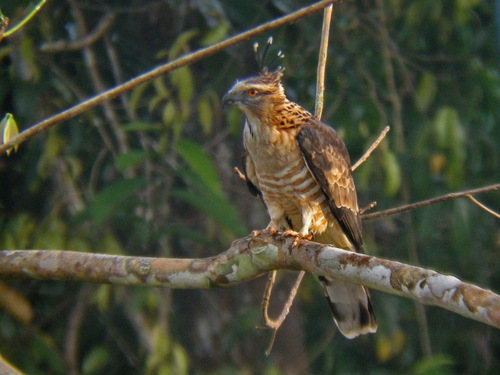 Jerdon's Baza
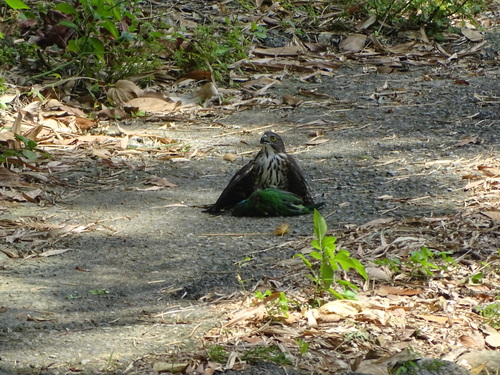 Crested Goshawk
In breve
Il segno distintivo più affidabile tra Jerdon's Baza e Crested Goshawk è la lunga cresta nera sottile con punta bianca di Jerdon's Baza, che è visibilmente più lunga e più eretta rispetto alla breve cresta di Crested Goshawk. In volo, Jerdon's Baza mostra ali molto larghe a forma di pala e parti inferiori per lo più chiare e semplici, mentre Crested Goshawk ha ali più corte e più larghe e una lunga coda, con parti inferiori contrassegnate da striature e barre rugginose o marroni. I giovani Crested Goshawk hanno uno sfondo delle parti inferiori più chiaro e frange di piume della testa chiare, che possono aiutare a separarli dal più semplice Jerdon's Baza. Entrambe le specie possono essere confuse in volo, ma prestare attenzione alla lunghezza della cresta, alla forma delle ali e al motivo delle parti inferiori è fondamentale.
Consigli di identificazione
- Lunghezza e forma della cresta: Jerdon's Baza ha una lunga cresta nera sottile con punta bianca, di solito tenuta eretta e molto prominente sia in vista da posato che in volo. La cresta di Crested Goshawk è corta e visibile chiaramente solo di profilo quando è posata.
- Forma delle ali in volo: Jerdon's Baza mostra ali molto larghe, arrotondate e a forma di pala, conferendole una silhouette distintiva. Crested Goshawk ha ali più corte e più larghe ma non a forma di pala, e le ali appaiono più appuntite alle punte.
- Lunghezza della coda: Crested Goshawk ha una coda visibilmente più lunga rispetto al suo corpo, un adattamento per manovrare in foreste dense. La coda di Jerdon's Baza è più corta e meno prominente in volo.
- Motivo delle parti inferiori (adulti): Jerdon's Baza ha parti inferiori per lo più chiare e semplici con una bold striscia nera lungo il centro della gola e un mento bianco. Gli adulti di Crested Goshawk mostrano striature rugginose o marroni sul petto e barre sull'addome; le femmine sono più marroni, i maschi più rugginosi.
- Motivo delle parti inferiori (giovani): I giovani Crested Goshawk hanno uno sfondo chiaro delle parti inferiori con striature e barre marroni, e frange chiare sulle piume della testa. I giovani di Jerdon's Baza non sono ben descritti ma si prevede che siano più semplici sotto.
- Motivo della testa: Jerdon's Baza ha un mento bianco e una bold striscia nera mesiale lungo la gola. Crested Goshawk ha una corona marrone scuro, lati grigi della testa e strisce nere sulle guance e sulla gola.
- Stile di volo: Jerdon's Baza tende a planare su ali larghe con un volo costante e galleggiante. Crested Goshawk utilizza un modello di volo 'battito lento, battito lento, planata diritta', tipico degli Accipitri, ed è più agile nei boschi.
- Postura da posato: Jerdon's Baza appare spesso con un collo più lungo e più eretto a causa della sua lunga cresta. Crested Goshawk appare più compatto, con una cresta più corta e una coda più lunga.
- Contesto dell'habitat: Se visto in colline aperte o habitat di margine, specialmente nel terai, sospettare Jerdon's Baza. In foreste dense o parchi urbani con molti alberi, Crested Goshawk è più probabile.
- Impressione di dimensione: Anche se c'è qualche sovrapposizione, Jerdon's Baza appare generalmente più grande e con un corpo più pesante, specialmente rispetto ai maschi di Crested Goshawk.
- Confusione potenziale in volo: Entrambi possono apparire simili a distanza, specialmente in silhouette, ma concentrarsi sulla combinazione di lunghezza della cresta, forma delle ali e motivo delle parti inferiori per la separazione.
- Differenze sessuali: Le femmine di Crested Goshawk sono più grandi e più marroni sotto rispetto ai maschi, ma entrambi i sessi condividono la cresta corta e le parti inferiori barrate.
- Variazione delle sottospecie: Jerdon's Baza ha diverse sottospecie, ma la lunga cresta e le parti inferiori semplici sono coerenti in tutto il suo areale.
- Nessuna differenza vocale affidabile descritta: La voce non è un segno distintivo primario per separare questi due nelle fonti disponibili.
- Trappole comuni: I Crested Goshawk immaturi con parti inferiori chiare e frange chiare sulla testa possono apparire più chiari degli adulti, ma mostrano comunque più striature/barre rispetto a Jerdon's Baza. Controllare sempre la lunga cresta e la semplicità delle parti inferiori.
Taglia
Jerdon's Baza è generalmente più grande, misurando circa 41–48 cm di lunghezza con un'apertura alare di 117 cm e pesando circa 350 grammi. Crested Goshawk è più variabile in dimensione (30–46 cm), con le femmine molto più grandi dei maschi, ma tipicamente ha un'apertura alare più corta ed è più leggera nel complesso. La sovrapposizione di dimensioni significa che la struttura e il piumaggio sono più affidabili della dimensione da soli per l'identificazione.
Piumaggio
- Giovane/Immaturi: I giovani Crested Goshawk hanno frange chiare sulle piume della testa e uno sfondo chiaro delle parti inferiori, che sono striate e barrate di marrone. I giovani di Jerdon's Baza non sono descritti in dettaglio, ma la specie nel complesso è nota per le parti inferiori semplici e chiare e una bold striscia nera mesiale, priva del denso motivo striato/barrato del goshawk.
- Adulto: Gli adulti di Jerdon's Baza hanno una parte inferiore per lo più semplice e chiara con un mento bianco e una bold striscia nera lungo il centro della gola. Le ali sono larghe e arrotondate, apparendo a forma di pala in volo. La cresta è lunga, sottile e con punta bianca. Gli adulti di Crested Goshawk hanno una cresta corta e visibile, una corona marrone scuro, lati grigi della testa, strisce nere sulle guance e sulla gola, e parti inferiori con striature rugginose sul petto e barre sull'addome (marroni nelle femmine). Le loro ali sono corte e larghe, e la coda è lunga e adattata per la manovrabilità.
Comportamento
In volo, Jerdon's Baza appare con ali larghe e arrotondate e uno stile di volo costante e galleggiante. Crested Goshawk mostra un caratteristico modello di volo 'battito lento, battito lento, planata diritta' tipico degli Accipitri, con battiti d'ali più rapidi e movimenti agili e contorti tra gli alberi. Posato, Jerdon's Baza tiene spesso la sua lunga cresta eretta, mentre la cresta di Crested Goshawk è più corta e meno appariscente.
Habitat
Jerdon's Baza si trova tipicamente in colline, specialmente nella regione del terai, ed è più raro nelle foreste sempreverdi e nelle piantagioni di tè. Crested Goshawk è ampiamente distribuito in Asia tropicale ed è adattato a manovrare attraverso habitat forestali, spesso visto in boschi densi. Anche se entrambe possono verificarsi in aree forestali, Jerdon's Baza è più probabile in habitat di colline aperte, e Crested Goshawk è più uno specialista della foresta.