

Japanese Cormorant vs Tarabusino orientale
Phalacrocorax capillatus contro Botaurus eurhythmus
Fai un quiz con Japanese Cormorant e Tarabusino orientale
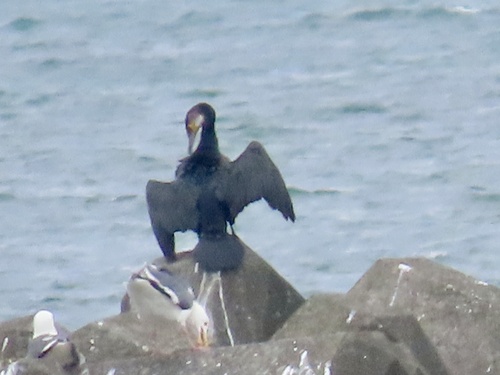 Japanese Cormorant
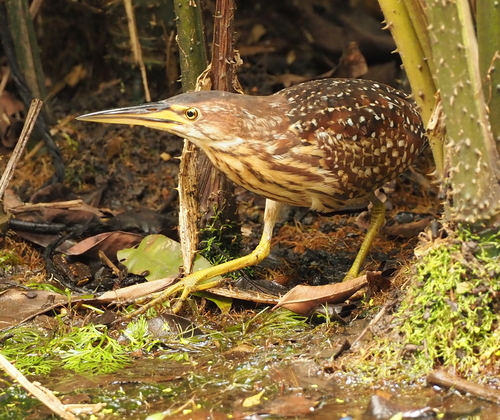 Tarabusino orientale
In breve
Il segno di campo più affidabile per separare il Cormorano Giapponese dal Tarabusino orientale è la struttura e la dimensione complessiva: il Cormorano Giapponese è un grande uccello marino dal corpo pesante con un lungo collo e una gola bianca, mentre il Tarabusino orientale è molto più piccolo, con un collo corto, un corpo compatto e un piumaggio castano/beige. In volo, i cormorani mostrano ali lunghe e strette e un volo costante e diretto, mentre i tarabusini hanno ali larghe e arrotondate e un volo più lento e fluttuante. I cormorani giovani sono marroni ma ancora grandi e con la gola chiara, mentre i tarabusini giovani sono striati e castani con piume nere in volo. La forma e il colore del becco sono anche distintivi in tutte le età.
Consigli di identificazione
- La dimensione è il controllo più veloce: Il Cormorano Giapponese è più lungo del doppio rispetto al Tarabusino orientale e molte volte più pesante. Se l'uccello sembra delle dimensioni di un'oca o più grande, è un cormorano; se è delle dimensioni di un corvo o più piccolo, è un tarabusino. Questo vale per tutte le età e i sessi.
- Forma del collo e del corpo: Il cormorano ha un collo lungo e spesso e un corpo allungato, particolarmente evidente quando nuota o vola. I tarabusini hanno un collo corto e spesso e un corpo compatto e massiccio, con una postura curvata quando sono appollaiati.
- Forma e colore del becco: Il becco del cormorano è lungo, ricurvo e parzialmente giallo, adatto per catturare pesci. Il becco del tarabusino è dritto, simile a un pugnale e giallo, senza uncino. Questo è visibile in tutte le età.
- Piumaggio – gola e guance: Il cormorano (tutte le età) mostra una gola e guance bianche, in contrasto con una testa e un corpo scuri. I tarabusini non mostrano mai questo schema; il loro volto è beige o castano senza macchie bianche.
- Piumaggio – parti superiori e inferiori: I cormorani adulti sono neri lucidi con una gola bianca, mentre i tarabusini sono castani sopra e beige o striati sotto. I cormorani giovani sono marroni ma semplici, privi delle striature e delle macchie dei tarabusini giovani/femmine.
- Schema di volo e forma delle ali: I cormorani volano con ali lunghe e strette e un volo costante e diretto, con il collo disteso. I tarabusini hanno ali larghe e arrotondate, un volo più lento e fluttuante, e volano con il collo ritratto. In volo, i tarabusini mostrano piume nere in volo che contrastano con le copritrici castane; i cormorani sono più uniformi.
- Coda: I tarabusini mostrano una coda nera in volo, in contrasto con il resto del corpo. La coda del cormorano è corta e scura ma non contrastante.
- Postura appollaiata: I cormorani spesso si posano eretti su rocce o pali, a volte con le ali spiegate. I tarabusini sono segreti, di solito curvati e nascosti nelle canne, raramente appollaiati in modo aperto.
- Contesto dell'habitat: I cormorani sono quasi sempre su acque aperte, coste rocciose o porti. I tarabusini si trovano in canneti, paludi o vegetazione d'acqua dolce densa. Se l'uccello è nelle canne, è quasi certamente un tarabusino.
- Confusione giovanile: I giovani cormorani sono più marroni ma ancora grandi e con la gola chiara, mai striati. I tarabusini giovani sono più piccoli, castani con macchie/strisce bianche, e mostrano nero nelle ali e nella coda.
- Colore delle gambe: I tarabusini hanno gambe gialle, spesso visibili quando si muovono o in volo. Le gambe dei cormorani sono scure e meno probabili da vedere.
- Comportamento di nuoto: I cormorani nuotano bassi nell'acqua, spesso tuffandosi. I tarabusini raramente nuotano e sono più propensi a essere visti camminare o stare in acque poco profonde.
- Asciugatura delle ali: I cormorani spesso si posano con le ali spiegate per asciugarsi; i tarabusini non lo fanno mai.
- Differenze stagionali/sessuali: I maschi tarabusini sono più uniformemente castani sopra, le femmine e i giovani sono più striati. Le differenze sessuali nei cormorani sono sottili e di solito non visibili sul campo.
- Vocalizzazione: Non diagnostica con le note attuali, ma in generale, i cormorani sono silenziosi o emettono grugniti gutturali, mentre i tarabusini sono anche silenziosi e segreti.
Taglia
Il Cormorano Giapponese è drammaticamente più grande: gli adulti misurano 81–92 cm di lunghezza con un'apertura alare di circa 152 cm e pesano 2.3–3.55 kg [wikipedia]. Il Tarabusino orientale è molto più piccolo, solo 33–39 cm di lunghezza, con un collo proporzionalmente più corto e un corpo più piccolo [wikipedia]. Anche un cormorano giovane sovrasta un tarabusino adulto. Questa differenza di dimensione è ovvia sul campo, specialmente quando entrambi sono visti vicino all'acqua per scala.
Piumaggio
- Uccelli giovani/immaturi: I giovani Cormorani Giapponesi sono più semplici e marroni rispetto agli adulti ma mantengono una gola e guance chiare (bianche) e mancano di forti striature o macchie. I giovani Tarabusini orientali sono castani con macchie bianche sopra e strisce bianche sotto, e mostrano piume nere in volo e coda in volo. L'ala superiore del tarabusino in volo è fortemente contrastante (primarie nere, copritrici castane), mentre i cormorani sono più uniformemente scuri sopra senza tale schema.
- Adulti: I Cormorani Giapponesi adulti sono neri lucidi con una gola e guance bianche, e un becco parzialmente giallo. I maschi adulti Tarabusini orientali sono castani sopra e beige sotto, con copritrici beige e piume nere in volo. Le femmine somigliano ai giovani ma sono meno striate. In tutte le età, le piume nere in volo e la coda del tarabusino contrastano con il resto dell'ala, cosa che non si vede nel cormorano.
Comportamento
Il Cormorano Giapponese è tipicamente visto nuotare basso nell'acqua, tuffandosi per pesci, o appollaiato eretto con le ali spiegate per asciugarsi. Il suo volo è forte, diretto e spesso basso sull'acqua, con il collo disteso. Il Tarabusino orientale è segreto, si nasconde nelle canne o nella vegetazione densa, e raramente viene visto nuotare. Quando viene disturbato, vola con battiti d'ali lenti e fluttuanti e con il collo ritratto, spesso ricadendo rapidamente nel riparo. I tarabusini sono molto meno propensi a essere visti appollaiati in modo aperto o nuotare.
Habitat
Il Cormorano Giapponese è una specie costiera, di solito trovata lungo coste rocciose, porti e mare aperto, raramente avventurandosi lontano nell'entroterra. Il Tarabusino orientale preferisce paludi d'acqua dolce, canneti e vegetazione umida densa, anche se può verificarsi vicino a laghi e stagni. È possibile una sovrapposizione nelle zone umide costiere, ma i cormorani raramente si trovano in canne dense, e i tarabusini evitano il mare aperto o le coste rocciose.
Japanese Cormorant · Tarabusino orientale · I miei uccelli difficili