

Canapino maggiore vs Cannaiola comune
Hippolais icterina contro Acrocephalus scirpaceus
Fai un quiz con Canapino maggiore e Cannaiola comune
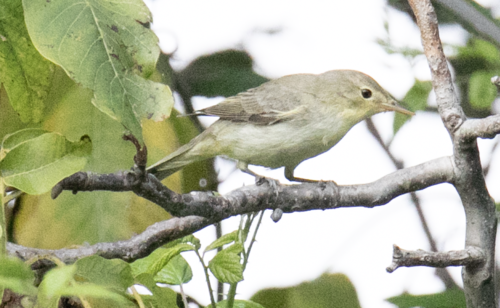 Canapino maggiore
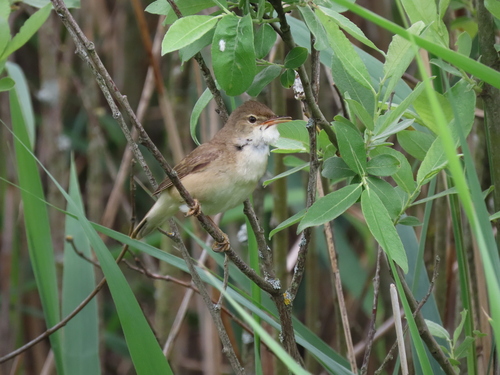 Cannaiola comune
In breve
Il segno di campo più affidabile per separare il Canapino maggiore dalla Cannaiola comune è la combinazione delle parti inferiori più chiare e giallastre del Canapino e del distintivo pannello alare chiaro, rispetto al piumaggio più semplice e marrone della Cannaiola e alla mancanza di un pannello alare. Il Canapino maggiore è un uccello più grande, con ali più lunghe, una coda più quadrata e un becco a base larga, mentre la Cannaiola comune è più compatta e ha una fronte più piatta. I giovani Cannaiola sono di un buffo più ricco sotto, ma non mostrano mai il lavaggio giallo o il pannello alare del Canapino. Entrambi possono apparire simili nella forma generale, ma prestare attenzione alla struttura e alle sottili differenze nel piumaggio è fondamentale, specialmente in autunno o durante la migrazione.
Consigli di identificazione
- Cerca il pannello alare chiaro: Il Canapino maggiore di tutte le età mostra un pannello chiaro sull'ala ripiegata, formato dai bordi chiari delle secondarie e delle terziarie. La Cannaiola non mostra mai questa caratteristica. Questo è spesso il segno di campo più rapido se l'uccello è posato e l'ala è visibile.
- Controlla il colore delle parti inferiori: Il Canapino maggiore è distintamente giallo sotto, mentre la Cannaiola è di un buffo o marrone chiaro. I giovani Cannaiola possono essere di un buffo ricco, ma non si avvicinano mai al giallo limone del Canapino.
- Tono delle parti superiori: Il Canapino ha parti superiori verde-grigiastre, mentre la Cannaiola è marrone semplice sopra. Questo contrasto è sottile ma può essere utile in buona luce.
- Supercilio e lore: Il Canapino ha un supercilio giallastro vago e lore chiare, dando un aspetto leggermente aperto. La Cannaiola manca di un supercilio forte, apparendo più semplice e uniforme attorno al viso.
- Forma del becco: Il becco del Canapino è a base larga e relativamente grande per un warbler, mentre quello della Cannaiola è forte e appuntito ma meno largo alla base. Questo è più utile a distanza ravvicinata.
- Testa e fronte: Il Canapino maggiore ha una testa grande, mentre la fronte della Cannaiola è visibilmente appiattita, dando un profilo più a forma di cuneo.
- Forma della coda: La coda del Canapino è relativamente corta e quadrata; la coda della Cannaiola è anch'essa corta ma può apparire più arrotondata in alcune posture.
- Lunghezza e proiezione delle ali: Il Canapino maggiore ha ali più lunghe, che possono dare un aspetto più allungato quando è posato. La Cannaiola è più compatta con ali più corte.
- Colore delle zampe: Le zampe del Canapino maggiore sono grigie, a volte con una sfumatura blu. Il colore delle zampe della Cannaiola non è specificato qui, ma è solitamente marrone.
- Contesto dell'habitat: Se l'uccello si trova in un canneto, è molto più probabile che sia una Cannaiola. Il Canapino preferisce alberi e arbusti alti, entrando raramente nei canneti.
- Comportamento: Il Canapino è spesso visto mentre cattura insetti o compie movimenti goffi nel fogliame, mentre la Cannaiola si muove in modo metodico attraverso i canneti.
- Confusione giovanile: I giovani Cannaiola sono di un buffo sotto ma mai gialli, e mancano del pannello alare. Il giovane Canapino è simile all'adulto ma può essere più opaco; il pannello alare è comunque presente.
- Impressione di dimensione: Il Canapino è più grande e più robusto della Cannaiola, anche se questo può essere difficile da giudicare senza un confronto diretto.
- Vocalizzazione: Il canto della Cannaiola è un lento, chiacchiericcio 'jit-jit-jit' con fischi e mimetismo. Se senti questo, è una Cannaiola. Il canto del Canapino non è descritto qui.
- Contesto stagionale: Entrambi sono migratori, ma il Canapino è più probabile che si trovi in aree boschive ed è meno probabile trovarlo nei canneti in qualsiasi stagione.
Taglia
Il Canapino maggiore è visibilmente più grande e con ali più lunghe rispetto alla Cannaiola comune. Sebbene la massa precisa per il Canapino non sia fornita, la Cannaiola pesa in media circa 12g [wikidata], e il Canapino è descritto come un 'warbler abbastanza grande' con una testa grande e ali lunghe. La Cannaiola è di dimensioni medie per un warbler (lunghezza 13 cm, apertura alare 17–21 cm [wikipedia]), apparendo più compatta e meno robusta rispetto al Canapino. In un confronto diretto, la dimensione e la massa del Canapino sono spesso evidenti, specialmente con l'esperienza.
Piumaggio
-
Uccelli giovani/immaturi: La Cannaiola comune giovane è di un buffo più ricco sotto, ma non mostra mai le parti inferiori gialle brillanti o il pannello alare chiaro del Canapino maggiore. Il Canapino di tutte le età mostra un pannello chiaro sull'ala ripiegata (dai bordi chiari delle secondarie e delle terziarie), che manca nella Cannaiola.
-
Adulti: Il Canapino maggiore ha parti superiori verde-grigiastre e parti inferiori uniformemente giallo chiaro, con un supercilio giallastro vago e lore chiare. Gli adulti della Cannaiola sono marroni non striati sopra e buffi sotto, con una fronte appiattita e senza un pannello alare evidente. Le parti inferiori del Canapino sono sempre più gialle, e le sue parti superiori hanno una sfumatura verdognola, mentre la Cannaiola è marrone e buffa più semplice.
-
In volo: Le ali più lunghe e la coda più quadrata del Canapino possono essere evidenti, ma il pannello alare è meglio visibile quando è posato. La Cannaiola in volo non mostra alcun motivo alare contrastante.
Comportamento
Il Canapino maggiore tende a cercare cibo in modo più goffo tra il fogliame, spesso catturando insetti o svolazzando, ed è generalmente solitario e territoriale. La Cannaiola è più spesso vista muoversi in modo metodico attraverso i canneti, strisciando su fusti o tra le foglie. Entrambi sono insettivori, ma il Canapino può anche mangiare frutta in tarda estate. In generale, i movimenti del Canapino possono sembrare meno eleganti e più robusti rispetto alla Cannaiola più snella.
Habitat
Il Canapino maggiore nidifica in una vasta gamma di habitat boschivi o cespugliosi in tutta l'Europa continentale (eccetto il sud-ovest), spesso in alberi o arbusti alti. Si trova raramente nei canneti. La Cannaiola comune, come suggerisce il nome, è fortemente legata ai canneti e alla vegetazione umida, nidificando in tutta Europa e nell'Asia occidentale. Se vista in canneti densi, è molto più probabile che sia una Cannaiola; il Canapino è più tipico dei margini boschivi, dei parchi o dei giardini con alberi e cespugli alti.
Voce
Il canto della Cannaiola è un lento, chiacchiericcio 'jit-jit-jit' con fischi acrocefalini e mimetismo. Nessuna descrizione vocale è fornita per il Canapino maggiore in queste note, quindi la voce non è un separatore affidabile qui.
Canapino maggiore · Cannaiola comune · I miei uccelli difficili