

Zarcero Icterino vs Carricero Común
Hippolais icterina frente a Acrocephalus scirpaceus
Juega un quiz con Zarcero Icterino y Carricero Común
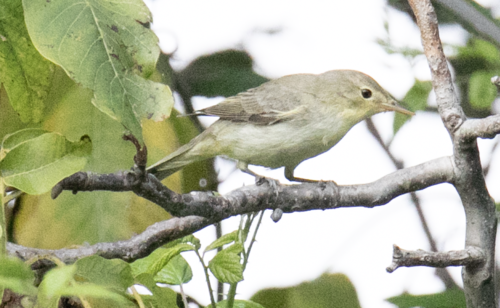 Zarcero Icterino
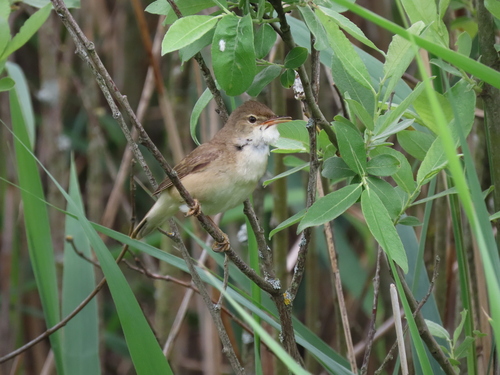 Carricero Común
En breve
La marca de campo más confiable para separar el Zarcero Icterino del Carricero Común es la combinación de las partes inferiores más brillantes y amarillentas del Icterine y el distintivo panel alar pálido, frente al plumaje más simple y marrón del Carricero y la falta de un panel alar. El Zarcero Icterino es un ave más grande, con alas más largas, una cola más cuadrada y un pico de base ancha, mientras que el Carricero Común es más compacto y tiene una frente más plana. Los Carriceros juveniles son de un color más rico por debajo, pero nunca muestran el lavado amarillo o el panel alar del Icterine. Ambos pueden parecer similares en forma general, pero prestar atención cuidadosa a la estructura y a las sutiles diferencias de plumaje es clave, especialmente en otoño o durante la migración.
Consejos de identificación
- Busca el panel alar pálido: El Zarcero Icterino de todas las edades muestra un panel pálido en el ala plegada, formado por bordes pálidos en las secundarias y terciarias. El Carricero nunca muestra esta característica. Esta es a menudo la marca de campo más rápida si el ave está posada y el ala es visible.
- Verifica el color de las partes inferiores: El Zarcero Icterino es distintivamente amarillo por debajo, mientras que el Carricero es de color buff o marrón pálido. Los Carriceros juveniles pueden ser de un color buff rico, pero nunca se acercan al amarillo limón del Icterine.
- Tono de las partes superiores: El Icterine tiene partes superiores gris verdosas, mientras que el Carricero es marrón simple por encima. Este contraste es sutil pero puede ser útil con buena luz.
- Supercilio y lore: El Icterine tiene un supercilio amarillento vago y lore pálido, dando una apariencia ligeramente de cara abierta. El Carricero carece de un supercilio fuerte, apareciendo más simple y uniforme alrededor de la cara.
- Forma del pico: El pico del Icterine es de base ancha y relativamente grande para un zarcero, mientras que el del Carricero es fuerte y puntiagudo pero menos ancho en la base. Esto es más útil a corta distancia.
- Cabeza y frente: El Zarcero Icterino tiene una cabeza grande, mientras que la frente del Carricero es notablemente aplanada, dándole un perfil más en forma de cuña.
- Forma de la cola: La cola del Icterine es relativamente corta y cuadrada; la cola del Carricero también es corta pero puede parecer más redondeada en algunas posturas.
- Longitud y proyección del ala: El Zarcero Icterino tiene alas más largas, lo que puede dar una apariencia más atenuada cuando está posado. El Carricero es más compacto con alas más cortas.
- Color de las patas: Las patas del Zarcero Icterino son grises, a veces con un matiz azulado. El color de las patas del Carricero no se especifica aquí, pero generalmente es marronoso.
- Contexto del hábitat: Si el ave está en un lecho de juncos, es mucho más probable que sea un Carricero. El Icterine prefiere árboles y arbustos altos, rara vez entrando en juncos.
- Comportamiento: El Icterine a menudo se ve cazando al vuelo o haciendo movimientos torpes en el follaje, mientras que el Carricero se mueve metódicamente a través de los juncos.
- Confusión juvenil: Los jóvenes Carriceros son de color buff por debajo pero nunca amarillos, y carecen del panel alar. El juvenil Icterine es similar al adulto pero puede ser más apagado; el panel alar sigue presente.
- Impresión de tamaño: El Icterine es más grande y robusto que el Carricero, aunque esto puede ser difícil de juzgar sin una comparación directa.
- Vocalización: El canto del Carricero es un 'jit-jit-jit' lento y parloteante con silbidos y mimetismo. Si escuchas esto, es un Carricero. El canto del Icterine no se describe aquí.
- Contexto estacional: Ambos son migrantes, pero el Icterine es más probable que se encuentre en áreas boscosas y es menos probable que se encuentre en juncos en cualquier estación.
Tamaño
El Zarcero Icterino es notablemente más grande y con alas más largas que el Carricero Común. Aunque no se da la masa precisa para el Icterine, el Carricero promedia alrededor de 12g [wikidata], y el Icterine se describe como un 'zarcero bastante grande' con una cabeza grande y alas largas. El Carricero es de tamaño mediano para un zarcero (13 cm de longitud, 17–21 cm de envergadura [wikipedia]), apareciendo más compacto y menos robusto que el Icterine. En comparación directa, el tamaño y la robustez del Icterine son a menudo evidentes, especialmente con experiencia.
Plumaje
-
Aves juveniles/inmaduras: El juvenil Carricero Común es de un color buff más rico por debajo, pero nunca muestra las partes inferiores amarillas brillantes o el panel alar pálido del Zarcero Icterino. El Icterine de todas las edades muestra un panel pálido en el ala plegada (de bordes pálidos en las secundarias y terciarias), que falta en el Carricero.
-
Adultos: El Zarcero Icterino tiene partes superiores gris verdosas y partes inferiores uniformemente amarillas pálidas, con un supercilio amarillento vago y lore pálido. Los adultos del Carricero son marrones sin estrías por encima y buff por debajo, con una frente aplanada y sin un panel alar obvio. Las partes inferiores del Icterine son siempre más amarillas, y sus partes superiores tienen un matiz verdoso, mientras que el Carricero es marrón y buff más simple.
-
En vuelo: Las alas más largas y la cola más cuadrada del Icterine pueden ser evidentes, pero el panel alar se ve mejor cuando está posado. El Carricero en vuelo no muestra ningún patrón alar contrastante.
Comportamiento
El Zarcero Icterino tiende a forrajear de manera más torpe entre el follaje, a menudo cazando al vuelo o revoloteando tras los insectos, y es generalmente solitario y territorial. El Carricero se ve más a menudo moviéndose metódicamente a través de los lechos de juncos, trepando por los tallos o entre las hojas. Ambos son insectívoros, pero el Icterine también puede comer fruta a finales del verano. En general, los movimientos del Icterine pueden parecer menos elegantes y más robustos que los del más aerodinámico Carricero.
Hábitat
El Zarcero Icterino cría en una amplia gama de hábitats boscosos o arbustivos en toda Europa continental (excepto el suroeste), a menudo en árboles o arbustos altos. Rara vez se encuentra en lechos de juncos. El Carricero Común, como su nombre indica, está fuertemente ligado a los lechos de juncos y la vegetación de humedales, criando en toda Europa y en Asia occidental. Si se ve en juncos densos, es mucho más probable que sea un Carricero; el Icterine es más típico de los bordes de los bosques, parques o jardines con árboles y arbustos altos.
Voz
El canto del Carricero es un 'jit-jit-jit' lento y parloteante con silbidos acrocefalinos y mimetismo. No se proporciona ninguna descripción vocal para el Zarcero Icterino en estas notas, por lo que la voz no es un separador confiable aquí.