

Luì di Hume vs Luì di Radde
Phylloscopus humei contro Phylloscopus schwarzi
Fai un quiz con Luì di Hume e Luì di Radde
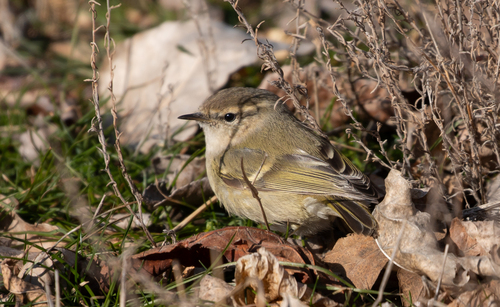 Luì di Hume
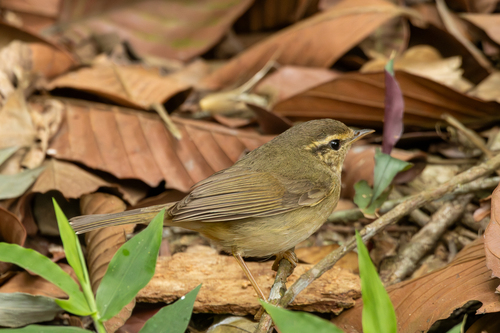 Luì di Radde
In breve
Il segno di campo più affidabile per separare il Luì di Hume dal Luì di Radde è la presenza di una singola chiara banda alare (con solo una debole seconda banda) sul Luì di Hume, rispetto alla completa assenza di bande alari sul Luì di Radde. Il Luì di Hume mostra anche toni verdognoli più opachi sopra e bianco sporco sotto, mentre il Luì di Radde è di un marrone più caldo sopra e color buff sotto. La struttura e il comportamento differiscono: il Luì di Hume è più piccolo, più arboricolo e costantemente attivo nella chioma, mentre il Luì di Radde è più robusto, più terrestre e spesso si trova basso in copertura densa. Il colore del becco e delle gambe, così come le sottili differenze nel supercilium e nel tono delle parti inferiori, aiutano a confermare l'identificazione quando il piumaggio è ambiguo.
Consigli di identificazione
- Bande alari: Il Luì di Hume mostra sempre una singola forte banda alare pallida sulle copritrici maggiori, con al massimo una debole seconda banda; il Luì di Radde non mostra mai bande alari. Questo è il segno di campo più affidabile in tutte le età e stagioni.
- Colore delle parti superiori: Il Luì di Hume è di un verde pallido sopra, mentre il Luì di Radde è marrone semplice. In buona luce, questa differenza è chiara, ma può essere sottile in condizioni scadenti.
- Colore delle parti inferiori: Il Luì di Hume è bianco sporco sotto, mentre il Luì di Radde è color buff o giallo-buff, specialmente sui fianchi e sotto la coda. I giovani Luì di Radde sono ancora più gialli sotto.
- Supercilium: Entrambi hanno lunghi supercilia, ma quello del Luì di Radde è più ampio, più prominente e sorprendentemente bianco, apparendo spesso come se 'flare' dietro l'occhio. Il supercilium del Luì di Hume è lungo ma meno contrastante.
- Striscia coronale: Il Luì di Hume mostra una debole striscia coronale, che manca nel Luì di Radde.
- Bordi delle terziali: Il Luì di Hume ha bordi giallastri sulle terziali; le terziali del Luì di Radde sono marroni semplici senza bordi contrastanti.
- Colore e forma del becco: Il Luì di Hume ha una mandibola inferiore scura e un becco più fine; il becco del Luì di Radde è più spesso e la mandibola inferiore non è così scura.
- Colore delle gambe e dei piedi: Il Luì di Hume ha gambe scure; le gambe del Luì di Radde sono più chiare, e i piedi sono notevolmente grandi, adattati per camminare a terra.
- Dimensioni e struttura: Il Luì di Radde è più robusto, con un corpo più pesante e piedi più grandi; il Luì di Hume è più piccolo e più delicato. Questo è più evidente quando entrambi sono visti insieme.
- Comportamento: Il Luì di Hume è quasi sempre nella chioma, attivo e irrequieto; il Luì di Radde è più spesso basso o a terra, muovendosi in modo più deliberato.
- Habitat: Durante il passaggio o nei luoghi di svernamento, il Luì di Hume preferisce boschi aperti e margini forestali, spesso più in alto; il Luì di Radde si trova in vegetazione densa e bassa o in cespugli.
- Voce: Il richiamo del Luì di Hume è una nota acuta, ronzante e disillabica; il Luì di Radde ha un morbido 'chick'. I richiami possono essere utili quando il piumaggio è ambiguo.
- Confusione giovanile: Anche nel piumaggio giovanile/primo inverno, il Luì di Hume mostra la singola banda alare, mentre il Luì di Radde non lo fa mai. I giovani Luì di Radde sono più gialli sotto, ma questo è variabile.
- Trappole: In scarsa luce, il Luì di Hume può apparire opaco e il Luì di Radde può sembrare più chiaro sotto, ma la presenza o assenza di bande alari rimane diagnostica.
- Sesso e stagione: Entrambe le specie sono sessualmente monomorfiche; tutti i segni di campo si applicano tutto l'anno.
Taglia
Il Luì di Radde è notevolmente più grande e pesante (massa corporea circa 11.5g [wikidata]), con un aspetto più robusto e piedi più grandi, che riflettono le sue abitudini più terrestri. Il Luì di Hume è uno dei più piccoli luì, apparendo più delicato e più fine nel complesso. In confronto diretto, il Luì di Hume apparirà più snello e leggero, specialmente quando entrambi sono visti nello stesso habitat.
Piumaggio
La differenza di piumaggio più diagnostica è nel modello alare: il Luì di Hume (tutte le età) mostra una singola prominente banda alare pallida sulle copritrici maggiori, con al massimo una debole seconda banda sulle copritrici mediane, mentre il Luì di Radde manca completamente di bande alari in tutte le età. Le parti superiori del Luì di Hume sono di un verde pallido, con parti inferiori bianco sporco, e un lungo supercilium e striscia coronale; le terziali hanno bordi gialli. Il Luì di Radde è marrone non striato sopra, con parti inferiori color buff e un supercilium bianco molto lungo e prominente. I giovani Luì di Radde sono più gialli sotto, ma non mostrano mai bande alari. Il Luì di Hume ha una mandibola inferiore e gambe più scure, mentre le gambe del Luì di Radde sono più chiare e i piedi appaiono grandi. Entrambi hanno lunghi supercilia, ma quello del Luì di Radde è sorprendentemente più chiaro e contrasta con il piumaggio circostante.
Comportamento
Il Luì di Hume è altamente arboricolo, raramente scende dalla chioma, ed è costantemente in movimento, frugando tra il fogliame in cerca di insetti. Il Luì di Radde, al contrario, è più terrestre, spesso visto foraggiare basso in densa vegetazione o anche a terra, muovendosi con un passo più pesante e deliberato. I grandi piedi del Luì di Radde sono adattati a questo stile di vita terrestre. Il Luì di Hume tende ad essere più attivo e irrequieto, mentre il Luì di Radde può apparire più metodico e meno frenetico.
Habitat
Il Luì di Hume nidifica nelle montagne dell'Asia centrale e sverna principalmente in India, preferendo foreste montane dominate da abeti, tsuga e rododendri. Si trova principalmente nella chioma o nei livelli superiori degli alberi. Il Luì di Radde nidifica in Siberia e sverna nel sud-est asiatico, occupando tipicamente vegetazione densa e bassa e cespugli, spesso vicino all'acqua. Durante la migrazione, il Luì di Hume è più probabile trovarlo in boschi aperti e margini forestali, mentre il Luì di Radde preferisce coperture dense e basse e può essere trovato in cespugli o canneti.
Voce
Il Luì di Hume emette un richiamo ronzante, acuto e più disillabico, che è una chiave per la separazione da specie simili ma meno utile rispetto al Luì di Radde. Il richiamo del Luì di Radde è un morbido 'chick', meno acuto o ronzante rispetto a quello del Luì di Hume. Il canto è raramente udito durante la migrazione o nei luoghi di svernamento, quindi i richiami sono più utili per la separazione se uditi.