

Albanella reale vs Sparviere levantino
Circus cyaneus contro Tachyspiza brevipes
Fai un quiz con Albanella reale e Sparviere levantino
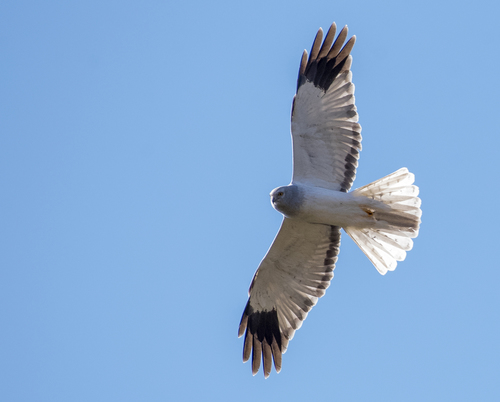 Albanella reale
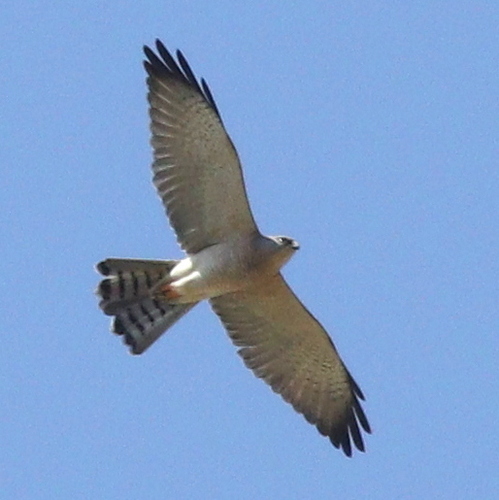 Sparviere levantino
In breve
Il segno di campo più affidabile per separare l'Albanella reale dallo Sparviere levantino è la struttura generale e lo stile di volo: l'Albanella reale è molto più grande, con ali più lunghe e una coda più lunga, con un volo caratteristico basso e galleggiante, con le ali tenute in una V poco profonda, mentre lo Sparviere levantino è compatto, con ali corte, larghe e appuntite e un volo più diretto, simile a quello di un accipiter. I giovani e le femmine dell'Albanella reale ('ringtails') hanno una distintiva macchia bianca sulla coda e un piumaggio marrone, meno distintamente barrato, mentre i giovani dello Sparviere levantino mostrano una linea scura sulla gola e mancano della macchia bianca sulla coda. I maschi adulti di entrambe le specie sono grigi sopra, ma l'albanella è molto più chiara sotto e ha punte nere alle ali, mentre lo sparviere è finemente barrato sotto e ha una forma più simile a un falco. La differenza di dimensioni è sostanziale e dovrebbe essere evidente sul campo.
Consigli di identificazione
- Macchia bianca sulla coda (solo Albanella reale): Le femmine e i giovani ('ringtails') mostrano sempre una macchia bianca audace sulla coda in volo o posati, un segno chiave assente nello Sparviere levantino di qualsiasi età o sesso.
- Dimensioni e forma complessive: L'Albanella reale è molto più grande e con ali più lunghe, con una lunga coda e proporzioni slanciate. Lo Sparviere levantino è compatto, con ali corte e più simile a un falco. Usa questo soprattutto quando gli uccelli sono visti insieme o con specie familiari per scala.
- Stile di volo: L'Albanella reale vola basso su terreni aperti con le ali in una V poco profonda, dando un'impressione galleggiante e planante. Lo Sparviere levantino vola con battiti rapidi e brevi planate, spesso attraverso o sopra gli alberi, e raramente vola su campi aperti.
- Forma delle ali e della coda: Le ali dell'albanella sono lunghe e larghe (soprattutto nei maschi), con una lunga coda arrotondata. Lo Sparviere levantino ha ali corte, larghe e appuntite e una coda più corta e squadrata. In volo, le ali dello sparviere sembrano più retratte e appuntite.
- Piumaggio dei maschi adulti: Entrambi sono grigi sopra, ma il maschio dell'Albanella reale è bianco sotto con punte nere alle ali e un petto superiore grigio. Il maschio dello Sparviere levantino è finemente barrato sotto (rufous e bianco), blu-grigio sopra, e ha una gola bianca con una striscia centrale scura (a volte debole).
- Parte inferiore dei giovani/femmine: I 'ringtails' dell'Albanella reale hanno parti inferiori color crema con barrature marroni (meno distinte nei giovani), mentre i giovani dello Sparviere levantino sono striati scuri sotto con una linea scura sulla gola. Le barrature dell'albanella sono più larghe e l'aspetto generale è più chiaro.
- Nessuna macchia bianca sulla coda (Sparviere levantino): Se l'uccello manca di una macchia bianca sulla coda, specialmente in un individuo marrone o striato, l'Albanella reale è esclusa.
- Contesto dell'habitat: In campagna aperta (paludi, brughiere, praterie), l'Albanella reale è molto più probabile. In boschi, margini forestali o vicino all'acqua con alberi, specialmente nel sud-est dell'Europa o in Medio Oriente, lo Sparviere levantino è più probabile.
- Colore delle gambe e del cerchio: Lo Sparviere levantino mostra gambe di colore giallo-arancione e cerchio giallo negli adulti; questi dettagli sono sottili e raramente diagnostici a distanza.
- Schema della testa: Lo Sparviere levantino (tutte le età) può mostrare una linea scura sulla gola, particolarmente evidente nei giovani e nelle femmine. L'Albanella reale manca di questa caratteristica.
- Vocalizzazioni: Se sentito, l'Albanella reale è notevolmente vocale con richiami distintivi durante la caccia e i passaggi alimentari; lo Sparviere levantino è meno probabile che venga sentito in aperto.
- Dimorfismo sessuale: Entrambe le specie mostrano dimorfismo con femmine più grandi, ma la differenza è molto più pronunciata nell'Albanella reale.
- Confusione con altri rapaci: Entrambi possono essere confusi con lo Sparviere eurasiatico o altre albanelle, ma la macchia bianca e lo stile di volo sono i migliori indizi iniziali.
- Contesto migratorio: Lo Sparviere levantino migra in gran numero sopra il Medio Oriente, spesso visto in stormi; l'Albanella reale è solitamente solitaria o in piccoli gruppi.
- Quando in dubbio: Concentrati sul colore della coda, sullo stile di volo e sull'habitat: questi tre insieme risolveranno la maggior parte degli incontri sul campo tra queste specie.
Taglia
L'Albanella reale è un rapace di dimensioni medie, molto più grande e con ali più lunghe rispetto allo Sparviere levantino. L'Albanella reale misura in media 41–52 cm di lunghezza con un'apertura alare di 97–122 cm e una massa corporea media di 436,5 g [wikidata]. Lo Sparviere levantino è nettamente più piccolo, con una lunghezza di 32–38 cm e un'apertura alare di 65–75 cm, con una costruzione più compatta. Le dimensioni e le proporzioni dell'albanella sono più vicine a quelle di un biancone, mentre lo sparviere è più simile a un gheppio o a un piccolo falco. In un confronto diretto, l'albanella apparirà slanciata e snella, mentre lo sparviere sarà tozzo e agile.
Piumaggio
- Giovani e femmine: I 'ringtails' dell'Albanella reale (femmine e giovani) sono marroni sopra con una macchia bianca sulla coda fortemente contrastante, parti inferiori color crema con barrature marroni e barrature meno distinte nei giovani. La macchia sulla coda è un segno chiave sul campo in volo o posato. I giovani dello Sparviere levantino sono di un grigio-marrone scuro sopra, con parti inferiori striate scure e una linea scura sulla gola, ma mancano della macchia bianca sulla coda. La femmina dello Sparviere levantino è grigio ardesia sopra, barrata di rosso sotto, e può mostrare una linea scura sulla gola, ma non ha mai una macchia bianca sulla coda.
- Maschi adulti: I maschi di entrambe le specie sono grigi sopra, ma il maschio dell'Albanella reale è molto più chiaro sotto con un ventre bianco e punte nere alle ali, mentre il maschio dello Sparviere levantino è chiaro sotto con barrature fini rufous e bianche, testa blu-grigia e una gola bianca divisa da una linea scura (a volte debole). Le parti inferiori dell'albanella sono più pulite e il suo petto superiore è grigio come la schiena.
- Ali e coda: L'Albanella reale ha ali lunghe e larghe con punte nere (maschio) e una lunga coda; lo Sparviere levantino ha ali corte, larghe e appuntite e una coda più corta e squadrata. In volo, le ali dell'albanella sono tenute in una V poco profonda, mentre quelle dello sparviere sono più livellate e retratte.
Comportamento
L'Albanella reale caccia volando basso su terreni aperti con le ali tenute in una V poco profonda, spesso planando e circling vicino ai contorni del terreno. È molto vocale durante la caccia e si affida sia alla vista che al suono, grazie al suo disco facciale. Lo Sparviere levantino è adattato per manovrare tra gli alberi, utilizzando battiti rapidi, planate e galleggiamenti, specialmente durante la migrazione. Il suo volo è più diretto e simile a quello di un accipiter, ed è meno probabile che venga visto volare basso su terreni aperti.
Habitat
L'Albanella reale nidifica e caccia in habitat aperti: paludi, praterie, brughiere, torbiere e terreni agricoli in tutta l'Eurasia. Evita boschi densi. Lo Sparviere levantino nidifica in boschi aperti, margini forestali o gruppi isolati di alberi, spesso vicino all'acqua, ed è adattato per la caccia nei boschi. Durante la migrazione, lo Sparviere levantino può essere visto in una gamma più ampia di habitat, ma raramente si trova negli ambienti di campagna aperta tipici per l'Albanella reale.
Voce
L'Albanella reale è una specie vocale, specialmente durante la caccia e i passaggi alimentari: le femmine emettono un fischio 'piih-eh' e un allarme 'chit-it-it-it-it-et-it', mentre i maschi chiamano 'chek-chek-chek' o 'chuk-uk-uk-uk' in display. Le chiamate dello Sparviere levantino non sono descritte nelle note fornite, quindi la vocalizzazione non è un separatore affidabile in questo contesto.
Albanella reale · Sparviere levantino · I miei uccelli difficili