

Aguilucho Pálido vs Gavilán Griego
Circus cyaneus frente a Tachyspiza brevipes
Juega un quiz con Aguilucho Pálido y Gavilán Griego
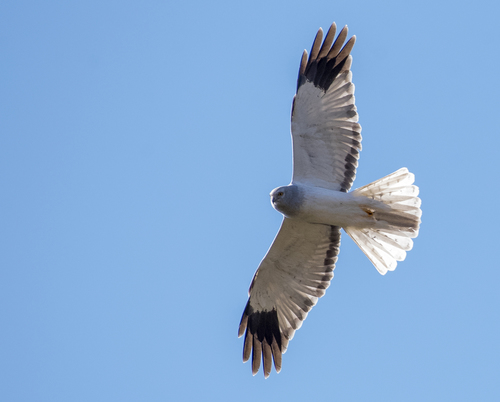 Aguilucho Pálido
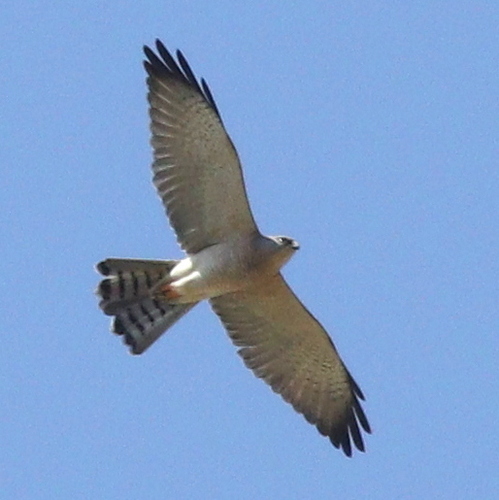 Gavilán Griego
En breve
La marca de campo más confiable para separar el Aguilucho Pálido del Gavilán Griego es la estructura general y el estilo de vuelo: el Aguilucho Pálido es mucho más grande, con alas más largas y cola más larga, con un vuelo característico bajo y flotante en alas sostenidas en una V poco profunda, mientras que el Gavilán Griego es compacto, con alas cortas, anchas y puntiagudas y un vuelo más directo, similar al de un accipiter. Los juveniles y las hembras de Aguilucho Pálido ('ringtails') tienen una distintiva mancha blanca en el rabadilla y plumaje marrón, menos distintivamente barrado, mientras que los juveniles de Gavilán Griego muestran una línea oscura en la garganta y carecen de la mancha blanca en el rabadilla. Los machos adultos de ambas especies son grises por encima, pero el aguilucho es mucho más pálido por debajo y tiene puntas de alas negras, mientras que el gavilán está finamente barrado por debajo y tiene una forma más similar a un halcón. La diferencia de tamaño es sustancial y debería ser aparente en el campo.
Consejos de identificación
- Mancha blanca en el rabadilla (solo Aguilucho Pálido): Las hembras y los juveniles ('ringtails') siempre muestran un rabadilla blanca en vuelo o posados, una marca clave ausente en el Gavilán Griego de cualquier edad o sexo.
- Tamaño y forma general: El Aguilucho Pálido es mucho más grande y con alas más largas, con una cola larga y proporciones esbeltas. El Gavilán Griego es compacto, con alas cortas y más parecido a un halcón. Utiliza esto especialmente cuando las aves se ven juntas o con especies familiares para escala.
- Estilo de vuelo: El Aguilucho Pálido vuela bajo sobre terreno abierto con alas en una V poco profunda, dando una impresión de flotación y planeo. El Gavilán Griego vuela con aleteos rápidos y planeos cortos, a menudo a través o por encima de los árboles, y rara vez vuela bajo sobre campos abiertos.
- Forma de alas y cola: Las alas del aguilucho son largas y anchas (especialmente en machos), con una cola larga y redondeada. El Gavilán Griego tiene alas cortas, anchas y puntiagudas y una cola más corta y cuadrada. En vuelo, las alas del gavilán parecen más barridas hacia atrás y puntiagudas.
- Plumaje del macho adulto: Ambos son grises por encima, pero el macho de Aguilucho Pálido es blanco por debajo con puntas de alas negras y un pecho superior gris. El macho de Gavilán Griego es finamente barrado por debajo (rufoso y blanco), azul-grisáceo por encima, y tiene una garganta blanca con una franja central oscura (a veces tenue).
- Partes inferiores de juveniles/hembras: Los 'ringtails' de Aguilucho Pálido tienen partes inferiores color crema con barrado marrón (menos distintivo en juveniles), mientras que los juveniles de Gavilán Griego son de color oscuro con una línea oscura en la garganta. El barrado del aguilucho es más amplio y el aspecto general es más pálido.
- Sin rabadilla blanca (Gavilán Griego): Si el ave carece de una rabadilla blanca, especialmente en un individuo marrón o estriado, se descarta el Aguilucho Pálido.
- Contexto de hábitat: En campo abierto (pantano, páramo, pradera), el Aguilucho Pálido es mucho más probable. En bosques, bordes de bosques, o cerca de agua con árboles, especialmente en el sureste de Europa o el Medio Oriente, el Gavilán Griego es más probable.
- Color de patas y cera: El Gavilán Griego muestra patas de color amarillento-naranja y cera amarilla en adultos; estos detalles son sutiles y rara vez diagnósticos a distancia.
- Patrón de cabeza: El Gavilán Griego (todas las edades) puede mostrar una línea oscura en la garganta, especialmente obvia en juveniles y hembras. El Aguilucho Pálido carece de esta característica.
- Vocalizaciones: Si se escucha, el Aguilucho Pálido es notablemente vocal con llamados distintivos durante la caza y el paso de alimento; el Gavilán Griego es menos probable que se escuche en el campo abierto.
- Dimorfismo sexual: Ambas especies muestran dimorfismo con hembras más grandes, pero la diferencia es mucho más pronunciada en el Aguilucho Pálido.
- Confusión con otros rapaces: Ambas pueden confundirse con el Gavilán Común u otros aguiluchos, pero la rabadilla blanca y el estilo de vuelo son las mejores pistas iniciales.
- Contexto de migración: El Gavilán Griego migra en grandes números sobre el Medio Oriente, a menudo visto en bandadas; el Aguilucho Pálido suele ser solitario o en pequeños grupos.
- Cuando haya dudas: Concéntrate en el color del rabadilla, el estilo de vuelo y el hábitat; estos tres juntos resolverán la mayoría de los encuentros en el campo entre estas especies.
Tamaño
El Aguilucho Pálido es un ave de presa de tamaño mediano, mucho más grande y con alas más largas que el Gavilán Griego. El Aguilucho Pálido promedia 41–52 cm de longitud con una envergadura de 97–122 cm y una masa corporal media de 436.5 g [wikidata]. El Gavilán Griego es notablemente más pequeño con 32–38 cm de longitud y 65–75 cm de envergadura, con una construcción más compacta. El tamaño y las proporciones del aguilucho son más cercanas a las de un busardo, mientras que el gavilán es más similar a un cernícalo o un halcón pequeño. En comparación directa, el aguilucho parecerá esbelto y delgado, mientras que el gavilán se verá robusto y ágil.
Plumaje
- Juveniles y hembras: Los 'ringtails' de Aguilucho Pálido (hembras y juveniles) son marrones por encima con una mancha blanca en el rabadilla que contrasta fuertemente, partes inferiores color crema con barrado marrón, y barrado menos distintivo en juveniles. La mancha en el rabadilla es una marca clave en vuelo o posados. Los juveniles de Gavilán Griego son de color marrón gris oscuro por encima, con partes inferiores estriadas de color oscuro y una línea oscura en la garganta, pero carecen de la mancha blanca en el rabadilla. La hembra de Gavilán Griego es de color gris pizarra por encima, barrada de rojo por debajo, y puede mostrar una línea oscura en la garganta, pero nunca tiene una rabadilla blanca.
- Machos adultos: Ambos machos son grises por encima, pero el macho de Aguilucho Pálido es mucho más pálido por debajo con un vientre blanco y puntas de alas negras, mientras que el macho de Gavilán Griego es pálido por debajo con barrado fino rufoso y blanco, cabeza azul-grisácea, y una garganta blanca dividida por una línea oscura (a veces tenue). Las partes inferiores del aguilucho son más limpias, y su pecho superior es gris como la espalda.
- Alas y cola: El Aguilucho Pálido tiene alas largas y anchas con puntas negras (macho) y una cola larga; el Gavilán Griego tiene alas cortas, anchas y puntiagudas y una cola más corta y cuadrada. En vuelo, las alas del aguilucho se sostienen en una V poco profunda, mientras que las del gavilán son más niveladas y barridas hacia atrás.
Comportamiento
El Aguilucho Pálido caza volando bajo sobre terreno abierto con alas sostenidas en una V poco profunda, a menudo planeando y circulando cerca de los contornos del terreno. Es muy vocal mientras caza y se basa tanto en la vista como en el sonido, gracias a su disco facial. El Gavilán Griego está adaptado para maniobrar entre los árboles, utilizando aleteos rápidos, planeos y deslizamientos, especialmente durante la migración. Su vuelo es más directo y similar al de un accipiter, y es menos probable que se vea volando bajo sobre terreno abierto.
Hábitat
El Aguilucho Pálido cría y caza en hábitats abiertos: pantanos, praderas, páramos, turberas y tierras agrícolas a través de Eurasia. Evita los bosques densos. El Gavilán Griego cría en bosques abiertos, bordes de bosques, o grupos aislados de árboles, a menudo cerca del agua, y está adaptado para la caza en bosques. Durante la migración, el Gavilán Griego puede verse en una gama más amplia de hábitats, pero rara vez se encuentra en los entornos de campo abierto típicos del Aguilucho Pálido.
Voz
El Aguilucho Pálido es una especie vocal, especialmente durante la caza y el paso de alimento: las hembras emiten un silbido 'piih-eh' y una alarma 'chit-it-it-it-it-et-it', mientras que los machos llaman 'chek-chek-chek' o 'chuk-uk-uk-uk' en exhibición. Los llamados del Gavilán Griego no están descritos en las notas proporcionadas, por lo que la vocalización no es un separador confiable en este contexto.