

Gray Nightjar vs Savanna Nightjar
Caprimulgus jotaka contro Caprimulgus affinis
Fai un quiz con Gray Nightjar e Savanna Nightjar
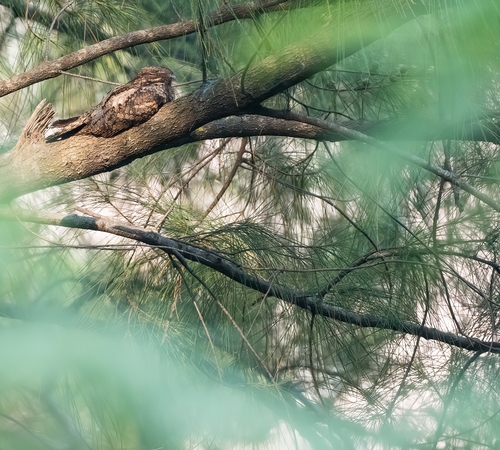 Gray Nightjar
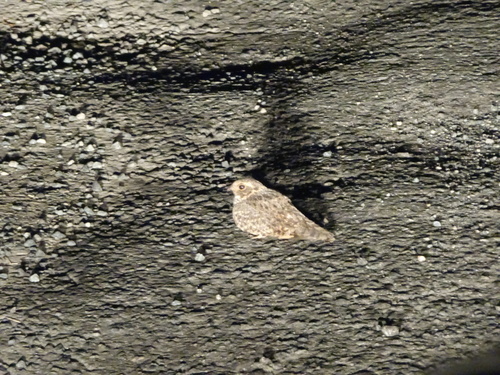 Savanna Nightjar
In breve
Il segno di campo più affidabile tra Gray Nightjar e Savanna Nightjar è la presenza e la posizione delle macchie bianche sulle ali e sulla coda, specialmente nei maschi adulti. I maschi di Gray Nightjar mostrano una macchia bianca sulla prima primaria e barre bianche sulla seconda alla quarta primaria, così come una macchia subterminale bianca sulle penne della coda esterna—caratteristiche assenti nelle femmine di Gray Nightjar e in tutti i Savanna Nightjar tranne i maschi adulti, che hanno macchie bianche ma con un diverso pattern. Entrambe le specie hanno un pattern criptico, ma sottili differenze nell'arrangiamento e nel colore delle vermiculazioni, così come l'estensione e il tono delle sfumature bianche o rossastre, sono utili con buone viste. In volo, il Gray Nightjar è tipicamente silenzioso e mostra battiti d'ala lenti e plananti, mentre il Savanna Nightjar è più probabile che venga rilevato dal suo richiamo forte e rimbombante. Età e sesso sono critici: le femmine e gli immaturi di entrambe le specie mancano della maggior parte delle macchie bianche, rendendo la separazione molto più difficile e dipendente da dettagli fini del piumaggio e strutturali.
Consigli di identificazione
- Macchie bianche sulle ali (maschi adulti): Cerca una macchia bianca circolare sulla prima primaria e barre bianche sulla seconda alla quarta primaria nei maschi di Gray Nightjar. I maschi di Savanna Nightjar hanno bianco nelle ali, ma non in questo preciso pattern; le macchie sono meno nettamente definite e non sono confinate a primarie specifiche.
- Macchia subterminale bianca sulla coda (maschi adulti): I maschi di Gray Nightjar mostrano una prominente macchia bianca vicino alla punta delle penne della coda esterna. Questa è assente nelle femmine di Gray Nightjar e in tutti i Savanna Nightjar tranne i maschi adulti, dove il bianco è meno esteso e meno nettamente definito.
- Macchia della gola: I maschi di entrambe le specie hanno una macchia bianca sulla gola, ma nel Gray Nightjar è più evidente e nettamente definita. Le femmine di Gray Nightjar hanno una macchia della gola più piccola e con sfumature marroni; le femmine di Savanna Nightjar hanno una macchia sottile e meno contrastante.
- Assenza di bianco nelle femmine/immaturi: Le femmine e gli immaturi di Gray Nightjar mancano di bianco nelle ali e nella coda, così come tutte le femmine e i giovani Savanna Nightjar. In queste età, fai affidamento su sottili differenze nel tono e nel pattern complessivo.
- Sfumatura rossastra (femmina/immaturo Savanna Nightjar): Le femmine e gli immaturi di Savanna Nightjar mostrano spesso una sfumatura rossastra o rufosa nel loro piumaggio, specialmente rispetto al grigio-marrone più freddo del Gray Nightjar.
- Pattern della corona e scapolari: Il Gray Nightjar ha una prominente striscia nera sulla corona e scapolari neri con macchie giallo-marroni, mentre il Savanna Nightjar è più uniformemente vermicolato e manca della forte striscia sulla corona.
- Pattern facciale: Il Gray Nightjar mostra un supercilium e copritrici auricolari più distinti con strisce giallo-marroni e nere; il viso del Savanna Nightjar è più semplice.
- Stile di volo: Il Gray Nightjar è silenzioso in volo, con battiti d'ala lenti e plananti e frequenti soste in volo. Il Savanna Nightjar può essere più diretto ed è spesso rilevato dal suo richiamo.
- Vocalizzazione: Se senti un richiamo forte e rimbombante di notte (specialmente in aree urbane), è quasi certamente un Savanna Nightjar. Il Gray Nightjar è tipicamente silenzioso in volo.
- Contesto dell'habitat: In aree urbane, specialmente su tetti piatti, è più probabile trovare il Savanna Nightjar. Il Gray Nightjar preferisce pendii erbosi e aree boschive.
- Postura di riposo: Il Gray Nightjar spesso riposa parallelo ai rami, mimetizzandosi bene; il Savanna Nightjar si affida anch'esso al camuffamento ma può essere trovato su terreni aperti o tetti.
- Bande inferiori: Il Gray Nightjar ha bande orizzontali più distinte sul petto e una pancia più chiara e finemente barrata. Il Savanna Nightjar è più uniformemente maculato sotto.
- Struttura dell'occhio e del becco: Entrambi hanno grandi occhi e aperture ampie, ma queste caratteristiche non sono affidabilmente separabili sul campo.
- Dimensioni: Non è un separatore affidabile; entrambi sono nightjar di dimensioni medie con misure sovrapposte.
- Movimento stagionale: Il Gray Nightjar è migratorio nel nord del suo areale, quindi il tempismo e la posizione possono aiutare; il Savanna Nightjar è più residente e adattabile agli ambienti urbani.
Taglia
Entrambe le specie sono nightjar di dimensioni medie con intervalli di dimensioni sovrapposti. Il Savanna Nightjar è documentato a 20–26 cm di lunghezza, con una massa corporea di 54–110 g (media 82,5 g) e un'apertura alare di circa 64 cm [wikidata, wikipedia]. Non sono disponibili misurazioni dirette per il Gray Nightjar nelle note fornite, ma è descritto come di dimensioni medie e simile nella struttura al Savanna Nightjar. Sul campo, la dimensione non è un separatore affidabile tra questi due, poiché entrambi hanno teste grandi, code lunghe e proporzioni complessive simili.
Piumaggio
La separazione del piumaggio dipende fortemente dall'età e dal sesso.
- Maschi adulti: I maschi di Gray Nightjar hanno una prominente macchia bianca sulla prima primaria, barre bianche sulla seconda alla quarta primaria e una macchia subterminale bianca sulle penne della coda esterna. I maschi di Savanna Nightjar hanno anche macchie bianche sulla gola, sulla coda e sulle ali, ma il pattern differisce: le macchie sulle ali sono meno nettamente posizionate sulle primarie, e la macchia sulla coda non è così nettamente definita come nel Gray Nightjar.
- Femmine e immaturi: Le femmine e i giovani di entrambe le specie mancano di macchie bianche sulla coda e sulle penne di volo. Le femmine di Gray Nightjar possono avere una macchia della gola più piccola e con sfumature marroni e nessun bianco nelle ali o nella coda, mentre le femmine di Savanna Nightjar mostrano una macchia della gola sottile, una sfumatura rossastra nel piumaggio e mancano di macchie bianche sulla coda. I giovani Savanna Nightjar assomigliano alle femmine adulte: maculati, senza macchie bianche e con un tono complessivo più rossastro.
- Parte superiore: Il Gray Nightjar mostra intricate vermiculazioni grigio-bianco e marrone scuro con una prominente striscia nera sulla corona e macchie giallo-marroni sulle scapolari. Il Savanna Nightjar è più uniformemente vermicolato grigio-marrone, con meno contrasto e un aspetto generalmente più opaco.
- Parte inferiore: Entrambi sono barrati e maculati, ma il Gray Nightjar tende ad avere bande orizzontali più distinte sul petto e una pancia più chiara e finemente barrata.
- Pattern facciale: Entrambi hanno grandi occhi e setole facciali rictali, ma il supercilium e le copritrici auricolari del Gray Nightjar sono più distintamente marcati con strisce giallo-marroni e nere.
Comportamento
Entrambe le specie sono notturne e si nutrono di insetti al crepuscolo e di notte, utilizzando attacchi aerei. Il Gray Nightjar è descritto come silenzioso in volo, con battiti d'ala lenti e frequenti planate o soste in volo, spesso volando in cerchi ma capace di svolte rapide ed erratiche quando insegue la preda. Durante il giorno, riposa parallelo ai rami o su pendii erbosi, mimetizzandosi con l'ambiente circostante. Il Savanna Nightjar caccia anch'esso per attacco, con grandi occhi e una bocca ampia per catturare insetti, ed è noto per il suo richiamo forte e rimbombante di notte, specialmente in aree urbane. È più probabile che venga sentito piuttosto che visto in alcuni contesti. Entrambe le specie riposano durante il giorno e si affidano al camuffamento.
Habitat
Il Gray Nightjar nidifica in Asia orientale dal sud-est della Russia attraverso la Cina, la Corea e il Giappone, a sud fino all'Indocina settentrionale e all'Himalaya. È migratorio nel nord, svernando a sud fino a Giava, ma residente nelle aree meridionali più calde. Il Savanna Nightjar occupa il Sud e il Sud-est asiatico, con alcune popolazioni che si espandono in aree urbane (ad es., Taiwan). Entrambe le specie preferiscono habitat aperti o semi-aperti per la nidificazione, ma il Savanna Nightjar è più probabile che venga trovato in suoli rocciosi aperti, terreni esposti o anche su tetti urbani piatti, mentre il Gray Nightjar è più associato a pendii erbosi e aree boschive.
Voce
Il Gray Nightjar è descritto come silenzioso in volo e nessun richiamo specifico è dettagliato nelle note. Il Savanna Nightjar, al contrario, è famoso per il suo richiamo estremamente forte e rimbombante (fino a 90 decibel), specialmente durante la stagione degli amori e negli ambienti urbani, rendendolo molto più probabile da rilevare per udito piuttosto che per vista. Questa differenza è spesso diagnostica di notte.