

Picchio cenerino vs Iberian Green Woodpecker
Picus canus contro Picus sharpei
Fai un quiz con Picchio cenerino e Iberian Green Woodpecker
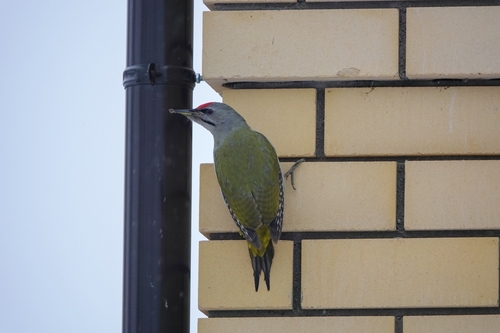 Picchio cenerino
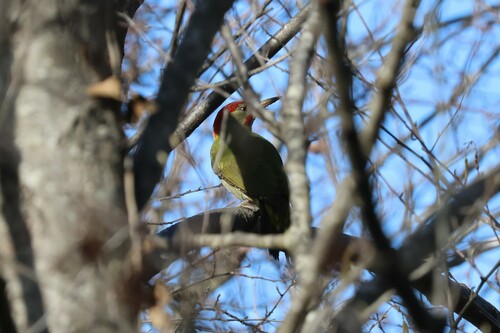 Iberian Green Woodpecker
In breve
Il segno di campo più affidabile per separare il Picchio cenerino dall'Iberian Green Woodpecker è il motivo della testa: il Picchio cenerino mostra una testa per lo più grigia con una corona rossa solo nel maschio, mentre l'Iberian Green Woodpecker ha una testa verdastra con molto meno nero e un anello oculare scuro (non nero). Sul campo, il Picchio cenerino appare più chiaro e più sobrio, specialmente nelle parti inferiori e nella testa, mentre l'Iberian Green è di un verde più brillante sopra e manca del grigio esteso. Entrambi sono picchi di dimensioni medie con parti superiori verdi, ma i dettagli della testa e del viso sono fondamentali. La voce e le sottili differenze strutturali possono aiutare, ma sono meno evidenti a distanza o in scarsa luce.
Consigli di identificazione
- Il colore della testa è fondamentale: Il Picchio cenerino mostra sempre una testa e un viso grigio chiaro, in contrasto con il dorso verde; l'Iberian Green Woodpecker ha una testa verdastra con poco nero e nessun grigio esteso. Questo è il segno di campo più affidabile per tutte le età e i sessi.
- Corona nei maschi: Solo il maschio del Picchio cenerino ha una corona rossa su una testa grigia. I maschi dell'Iberian Green Woodpecker non mostrano questa combinazione; la loro testa è più uniformemente verdastra.
- Colore dell'anello oculare: L'Iberian Green Woodpecker ha un anello scuro (non nero) attorno all'occhio, mentre i segni facciali del Picchio cenerino sono più definiti con lore neri e baffi.
- Motivo della corona femminile: La femmina del Picchio cenerino manca della corona rossa e mostra striature nere fini sulla corona grigia; la femmina dell'Iberian Green è simile al maschio, con poco nero e un anello oculare scuro.
- Parti inferiori: Il Picchio cenerino mostra parti inferiori grigie chiare, mentre l'Iberian Green Woodpecker è generalmente più brillante e meno grigio sotto.
- Parti superiori: Entrambi sono verdi sopra, ma il Picchio cenerino è più chiaro e meno vivido, specialmente sul campo. L'Iberian Green è di un verde più brillante nel complesso.
- Becco e struttura: Il Picchio cenerino ha un becco più snello, un collo più corto e una testa leggermente più rotonda rispetto al Picchio verde europeo, ma queste differenze non sono evidenti rispetto all'Iberian Green.
- Viste in volo: Non sono descritte differenze distintive nel modello delle ali o nel volo tra queste due specie, quindi non fare affidamento sui modelli delle ali superiori o della coda in volo.
- Voce: Se ascoltato bene, il canto del Picchio cenerino è più melodico e 'morente', mentre quello dell'Iberian Green è simile a un sibilo. Tuttavia, queste sono sottili e non sempre affidabili.
- Contesto geografico: Se stai osservando uccelli al di fuori della Penisola Iberica, è quasi certo che tu stia vedendo il Picchio cenerino. All'interno dell'Iberia, entrambe le specie possono verificarsi, quindi fai affidamento sul motivo della testa.
- Confusione ibrida: Esistono ibridi estremamente rari tra il Picchio cenerino e il Picchio verde europeo, ma non sono una preoccupazione per la separazione dall'Iberian Green sul campo.
- Confusione delle sottospecie: Alcune sottospecie orientali del Picchio cenerino hanno una nuca nera e ali verdi più scure, ma queste non si sovrappongono all'areale dell'Iberian Green Woodpecker.
- Trappole per il sesso: Entrambe le specie mostrano dimorfismo sessuale nei segni della testa, quindi conferma il sesso prima di utilizzare il colore della corona come segno.
- Confusione giovanile: Non sono descritti segni specifici per la separazione di giovanili o immaturi; il colore della testa rimane il miglior segno.
- Non fare affidamento sulla dimensione: Entrambe le specie sono simili in dimensioni e massa; questo non è un carattere di campo utile.
Taglia
Entrambe le specie sono picchi di dimensioni medie, con il Picchio cenerino che misura 25–26 cm di lunghezza e un'apertura alare di 38–40 cm, pesando circa 125 g [wikipedia]. L'Iberian Green Woodpecker è simile in dimensioni e non appare alcuna differenza significativa di dimensione sul campo. Entrambi sono delle dimensioni di una tortora collare eurasiatica. La dimensione non è un punto di separazione affidabile tra questi due.
Piumaggio
-
Piumaggio giovanile/immaturo: Non sono descritte differenze specifiche nel modello delle ali superiori per giovanili o immaturi nelle fonti per queste due specie, quindi la separazione in volo per modello di ali non è supportata.
-
Maschi adulti: I maschi del Picchio cenerino hanno una testa grigia chiara con una corona rossa, lore neri e un sottile baffo nero. Il resto delle parti superiori è verde oliva, con parti inferiori grigie chiare. I maschi dell'Iberian Green Woodpecker hanno una testa verdastra con poco nero, un anello oculare scuro (non nero) e mancano del grigio esteso del Picchio cenerino. Le loro parti superiori sono anch'esse verdi, ma la testa è meno contrastante.
-
Femmine adulte: La femmina del Picchio cenerino manca della corona rossa e mostra invece striature nere fini sulla corona. La femmina dell'Iberian Green Woodpecker è simile al maschio ma con ancora meno nero sulla testa e lo stesso anello oculare scuro.
-
Entrambi i sessi: Il Picchio cenerino mostra sempre un viso e una testa grigi, mentre la testa dell'Iberian Green Woodpecker è verdastra con un viso meno contrastante. Le primarie ripiegate del Picchio cenerino sono barrate marrone-nero su grigio-bianco, ma questo non è evidenziato come un segno di campo rispetto all'Iberian Green. Entrambi hanno schiene e ali verdi, ma il Picchio cenerino è generalmente più chiaro e meno vivido.
Comportamento
Non sono notate differenze comportamentali significative nelle fonti che potrebbero aiutare a separare queste due specie sul campo. Entrambi sono picchi tipici nelle loro abitudini, foraggiando sugli alberi e talvolta a terra.
Habitat
Il Picchio cenerino è diffuso in tutta l'Eurasia, comprese le regioni centrali e orientali del Paleartico, mentre l'Iberian Green Woodpecker è endemico della Penisola Iberica. Se ti trovi al di fuori dell'Iberia, è improbabile che tu incontri l'Iberian Green Woodpecker. All'interno dell'Iberia, entrambe le specie possono verificarsi in habitat boschivi simili, quindi l'habitat non è un separatore affidabile lì.
Voce
Entrambe le specie hanno richiami simili, ma il canto territoriale del Picchio cenerino è descritto come più melodico e pulito, composto da 10–15 note di tono decrescente, che spesso suona malinconico o 'morente.' Il richiamo dell'Iberian Green Woodpecker è descritto come sibilante o simile a un hiss, e manca dell'esplosivo 'riso' del Picchio verde europeo. Tuttavia, queste differenze sono sottili e potrebbero essere difficili da giudicare senza esperienza.
Picchio cenerino · Iberian Green Woodpecker · I miei uccelli difficili