

Gray Flycatcher vs Western Flycatcher
Empidonax wrightii contro Empidonax difficilis
Fai un quiz con Gray Flycatcher e Western Flycatcher
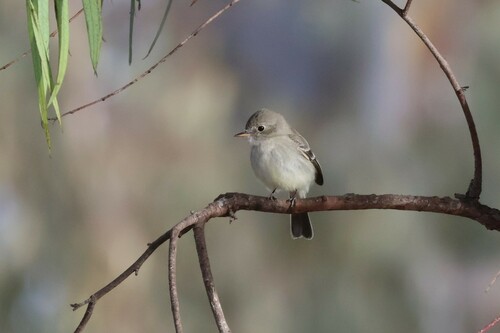 Gray Flycatcher
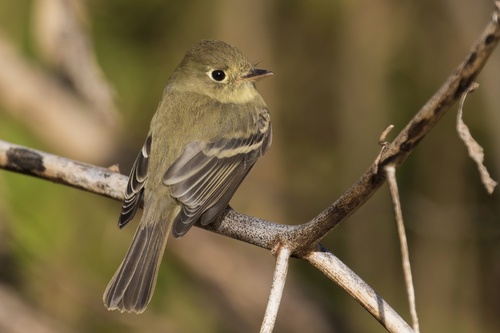 Western Flycatcher
In breve
Il segno di campo più affidabile per separare il Gray Flycatcher dal Western Flycatcher è il tono di colore generale e il motivo facciale: il Gray Flycatcher è visibilmente più chiaro e grigio sopra, con un sottile e sottile anello oculare e un becco lungo e stretto, mentre il Western Flycatcher è più oliva sopra, con un ventre giallo brillante, un audace anello oculare a forma di goccia e un becco corto e largo. I giovani Gray Flycatchers mostrano barre alari color crema e petti marroni, ma i giovani Western Flycatcher non sono descritti in dettaglio qui. Anche la struttura è fondamentale: il Gray Flycatcher ha una coda e un becco più lunghi, conferendogli un aspetto più allungato, mentre il Western Flycatcher appare compatto e con coda corta. La voce e l'habitat possono aiutare, ma le sottili differenze di piumaggio e forma sono gli indizi di campo più coerenti.
Consigli di identificazione
- Colore delle parti superiori: Il Gray Flycatcher è grigio chiaro sopra (a volte con una leggera sfumatura oliva), mentre il Western Flycatcher è distintamente grigio-oliva, specialmente sulla schiena e sulla corona. Questo è più evidente in buona luce.
- Parti inferiori: Il Gray Flycatcher è bianco sotto, con solo una leggera sfumatura gialla nel piumaggio fresco. Il Western Flycatcher è fortemente giallo sotto, specialmente sul ventre e sui fianchi inferiori.
- Anello oculare: L'anello oculare del Gray Flycatcher è sottile e poco appariscente, fondendosi nel viso. Il Western Flycatcher ha un audace anello oculare bianco a forma di goccia che spicca, specialmente nei boschi ombreggiati.
- Forma e colore del becco: Il Gray Flycatcher ha un becco lungo e stretto con una mandibola inferiore chiara che si estende per la maggior parte della sua lunghezza. Il becco del Western Flycatcher è più corto e più largo, con una colorazione chiara meno evidente.
- Lunghezza della coda: Il Gray Flycatcher ha una coda visibilmente più lunga, conferendogli un aspetto allungato quando è posato. La coda del Western Flycatcher è corta, facendo apparire l'uccello più compatto.
- Motivo facciale: Il Gray Flycatcher ha una banda supralorale chiara (sopra il becco), ma è sottile. Il contrasto facciale del Western Flycatcher deriva principalmente dall'audace anello oculare.
- Barre alari: Entrambe le specie hanno barre alari bianche, ma nel Gray Flycatcher sono spesso meno brillanti; nei giovani, le barre alari del Gray Flycatcher sono color crema, mentre quelle del Western non sono descritte qui.
- Piumaggio giovanile: I giovani Gray Flycatchers mostrano più oliva e giallo sulle parti superiori, barre alari color crema e petti marroni. I giovani Western Flycatcher non sono dettagliati, ma dovrebbero essere ancora più gialli sotto e oliva sopra.
- Comportamento: Il Gray Flycatcher spesso cerca cibo più in basso e in habitat più aperti e aridi, a volte apparendo lento. Il Western Flycatcher è più attivo in boschi ombreggiati e umidi.
- Habitat: Durante la stagione riproduttiva, il Gray Flycatcher è quasi sempre in arbusti secchi e aperti o in boschi di pinyon-juniper; il Western Flycatcher si trova in aree boschive umide, spesso vicino all'acqua.
- Voce: Il canto del Gray Flycatcher è un forte chuwip o wilip di due sillabe; quello del Western Flycatcher è una rapida serie di note (pseet, ptsick, seet). I richiami possono sovrapporsi, ma il canto è distintivo se ascoltato.
- Contesto stagionale: Durante la migrazione, entrambi possono verificarsi in aree simili, ma la preferenza dell'habitat di solito si mantiene. In inverno, il Gray Flycatcher rimane in paesi aridi e aperti; il Western Flycatcher sverna in Messico.
- Jizz in volo: La coda e il becco più lunghi del Gray Flycatcher possono farlo apparire più allungato in volo, mentre il Western Flycatcher è compatto e con coda corta.
- Insidie: La luce nuvolosa può far sembrare il Western Flycatcher più grigio di quanto non sia, e i Gray Flycatchers con piumaggio fresco possono mostrare una leggera sfumatura gialla sotto. Controlla sempre più segni.
- Quando hai dubbi: Se l'uccello si trova in un'area di salvia secca o in un pinyon-juniper aperto e appare chiaro e con coda lunga, favorisci il Gray Flycatcher. Se si trova in una foresta umida e ombreggiata con un audace anello oculare e un ventre giallo, è quasi certamente un Western.
Taglia
Il Gray Flycatcher è leggermente più grande del Western Flycatcher, con una massa tipica di 12,5 g e una lunghezza di circa 15 cm. Non viene fornita una massa per il Western Flycatcher qui, ma è generalmente più piccolo e compatto, con una coda e un becco più corti. Sul campo, il Gray Flycatcher appare spesso più lungo e snello, mentre il Western Flycatcher appare più arrotondato e minuto.
Piumaggio
Per gli adulti, il Gray Flycatcher è grigio chiaro sopra con solo una leggera sfumatura oliva dopo la muta, e le parti inferiori sono bianche con una leggera sfumatura gialla nel piumaggio fresco. Il suo anello oculare è sottile e poco appariscente, e l'area supralorale (sopra il becco) è chiara ma non audace. Il Western Flycatcher, al contrario, è grigio-oliva sopra con una forte sfumatura gialla sulle parti inferiori e un audace anello oculare bianco a forma di goccia. Entrambi hanno barre alari bianche, ma quelle del Gray Flycatcher sono spesso meno contrastanti. I giovani Gray Flycatchers hanno barre alari color crema e petti marroni, con toni più oliva e giallo nel complesso, ma tendono comunque ad essere più chiari del Western. Non vengono forniti segni giovanili dettagliati per il Western Flycatcher qui, ma gli adulti e probabilmente i giovani condividono il forte ventre giallo e l'audace anello oculare. In tutte le età, il Western Flycatcher è più colorato e contrastante, specialmente sul viso.
Comportamento
Entrambe le specie sono classici flycatchers Empidonax, che si lanciano da posatoi bassi per catturare insetti. Il Gray Flycatcher spesso cerca cibo da arbusti o rami bassi in habitat aperti e aridi, e può apparire più deliberato e meno attivo rispetto al Western Flycatcher. Il Western Flycatcher è più probabile da vedere in boschi ombreggiati e umidi, spesso vicino all'acqua, e può sembrare più attivo e agile in folta vegetazione. Entrambe le specie muovono le loro code, ma la coda più lunga del Gray Flycatcher può rendere i suoi movimenti di coda più evidenti.
Habitat
Il Gray Flycatcher è tipico dell'arido nord-ovest americano, specialmente del Great Basin, preferendo la salvia, i boschi di pinyon-juniper e le foreste di pino aperte con un sottobosco scarso. Il Western Flycatcher preferisce foreste conifere o miste, specialmente vicino a corsi d'acqua, ed è più probabile trovarlo in boschi umidi e ombreggiati dalla costa del Pacifico alle Montagne Rocciose. Può verificarsi sovrapposizione durante la migrazione, ma gli habitat di nidificazione sono di solito distinti: arbusti secchi e aperti per il Gray, e aree boschive umide per il Western.
Voce
Il canto del Gray Flycatcher è una nota forte di due sillabe (chuwip o wilip), a volte con un alto teeap o seep. I richiami sono note secche pit o wit. Il canto del Western Flycatcher è una rapida serie di note (pseet, ptsick, seet), con gli uccelli del Pacifico che producono un distintivo ptsick o ptik con la prima sillaba più alta. Il richiamo tipico è un forte pit pete o tse-seet, a volte un crescente tsweep. La voce è un forte separatore se ascoltata bene, ma entrambe le specie possono emettere richiami brevi e secchi che sono facilmente confondibili.
Gray Flycatcher · Western Flycatcher · I miei uccelli difficili