

Greater Green Leafbird vs Lesser Green Leafbird
Chloropsis sonnerati contro Chloropsis cyanopogon
Fai un quiz con Greater Green Leafbird e Lesser Green Leafbird
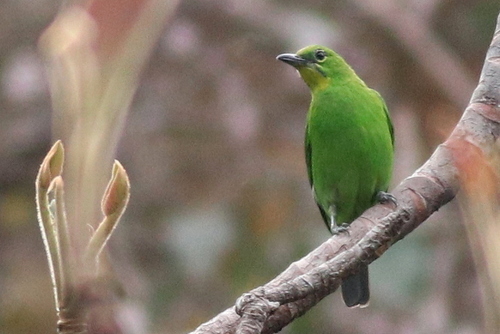 Greater Green Leafbird
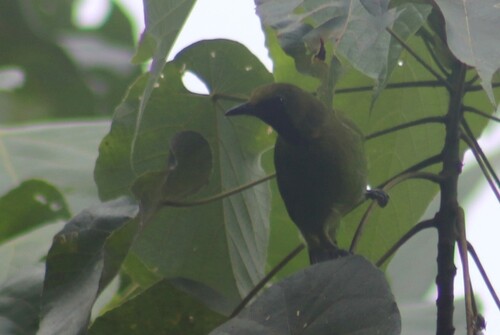 Lesser Green Leafbird
In breve
Il segno di campo più affidabile tra Greater Green Leafbird e Lesser Green Leafbird è la gola e l'anello oculare della femmina: la femmina Greater mostra una gola gialla e un anello oculare giallo, mentre la femmina Lesser manca di queste caratteristiche. Per i maschi, controlla la macchia nera sulla gola: il maschio Lesser Green Leafbird ha un bordo giallo attorno alla gola nera, che è assente nel maschio Greater. Il Greater ha anche un becco visibilmente più potente. Queste differenze sono sottili a distanza, quindi concentrati sui dettagli della gola e del viso quando possibile. Le differenze strutturali, specialmente il becco, possono aiutare se il piumaggio è oscurato.
Consigli di identificazione
- Gola e anello oculare della femmina (più affidabile per le femmine): La femmina Greater Green Leafbird mostra una gola gialla e un anello oculare giallo, mentre la femmina Lesser Green Leafbird manca di entrambi, avendo un viso e una gola verdi uniformi. Questo è il modo più rapido per separare le femmine a distanza ravvicinata.
- Bordo della macchia sulla gola del maschio: Il maschio Lesser Green Leafbird ha una macchia nera sulla gola con un bordo giallo; la macchia nera sulla gola del maschio Greater Green Leafbird non ha bordi gialli. Questo è un segno chiave per i maschi adulti.
- Struttura del becco: Il Greater Green Leafbird ha un becco visibilmente più potente e robusto rispetto al Lesser. Questo è meglio valutato quando gli uccelli sono affiancati o con esperienza, ma può essere utile se la testa è chiaramente visibile.
- Schema del viso nelle femmine: Cerca la combinazione di gola gialla e anello oculare giallo nelle femmine Greater; le femmine Lesser sono più uniformemente verdi in queste aree.
- Trappole del piumaggio: Entrambe le specie sono prevalentemente verdi, il che può renderle difficili da separare a colpo d'occhio. Cerca sempre le sottili differenze nel viso e nella gola piuttosto che fare affidamento sul colore generale.
- Nessun schema distintivo di ali juvenile/immaturi: Le note non descrivono differenze specifiche per età nei pattern delle ali superiori o nel volo, quindi non fare affidamento su queste caratteristiche per la separazione sul campo.
- Sovrapposizione dell'habitat: Entrambe le specie si trovano in habitat forestali simili nelle pianure del sud-est asiatico, quindi non usare l'habitat da solo per identificarle.
- Dimorfismo sessuale: Entrambe le specie mostrano differenze tra maschi e femmine, ma i segni diagnostici (bordo della macchia sulla gola nei maschi, gola/anello oculare giallo nelle femmine) sono coerenti all'interno di ciascun sesso.
- Distanza e illuminazione: A distanza o in scarsa luce, le sottili differenze nella gola e nel viso possono essere difficili da vedere. Cerca di dare un'occhiata da vicino all'area della testa e della gola, specialmente nelle femmine.
- Stormi misti: Se incontri stormi di specie miste, presta particolare attenzione ai dettagli della testa e della gola, poiché entrambe le specie possono essere presenti insieme.
- Becco come riserva: Se i segni del piumaggio non sono chiari, usa la dimensione del becco come indizio di supporto: il becco del Greater è più potente, ma questo è sottile e può richiedere esperienza.
- Nessun indizio vocale: Le note non forniscono differenze vocali, quindi non fare affidamento su richiami o canti per la separazione.
- Variazione stagionale: Non sono descritte differenze di piumaggio stagionali, quindi i segni chiave dovrebbero essere affidabili tutto l'anno.
- Gamma geografica: Entrambe le specie possono essere trovate negli stessi paesi e habitat, quindi la gamma non aiuta con l'identificazione.
- Quando in dubbio: Se i segni diagnostici sulla gola o sul becco non sono visibili, potrebbe non essere possibile separare le specie con certezza da una vista breve o scadente.
Taglia
Il confronto diretto delle dimensioni non è dettagliato nelle note fornite, ma si implica che il Greater Green Leafbird sia più robusto, specialmente nella dimensione del becco, descritto come avente un 'becco potente.' Questo suggerisce un'impressione leggermente più massiccia rispetto al Lesser, anche se la dimensione complessiva del corpo può essere simile sul campo.
Piumaggio
Per le femmine adulte, il Greater Green Leafbird si distingue con una gola gialla e un anello oculare giallo, mentre la femmina Lesser manca di entrambi, mostrando un viso e una gola verdi più uniformi. Nei maschi adulti, la differenza chiave è nella macchia sulla gola: il maschio Lesser Green Leafbird ha una macchia nera sulla gola bordata di giallo, mentre il maschio Greater manca di questo bordo giallo, presentando una macchia nera sulla gola semplice. Non sono descritte nelle note differenze specifiche per età (juvenile o immaturo) nei pattern delle ali superiori o nel volo, quindi questi segni non sono disponibili per la separazione. Entrambe le specie condividono altrimenti un piumaggio generalmente verde, il che può rendere difficili le visualizzazioni rapide.
Comportamento
Le differenze comportamentali non sono descritte nelle note fornite. Entrambe le specie sono leafbirds e probabilmente condividono comportamenti simili di foraggiamento e posatura, quindi non fare affidamento sul comportamento per la separazione.
Habitat
Entrambe le specie abitano foreste umide subtropicali o tropicali nelle pianure, e le loro gamme si sovrappongono nel sud-est asiatico (Brunei, Indonesia, Malesia, Myanmar, Singapore e Thailandia). L'habitat da solo non è un separatore affidabile, poiché entrambe possono essere trovate in ambienti forestali simili.
Greater Green Leafbird · Lesser Green Leafbird · I miei uccelli difficili