

Svasso maggiore vs Svasso piccolo
Podiceps cristatus contro Podiceps nigricollis
Fai un quiz con Svasso maggiore e Svasso piccolo
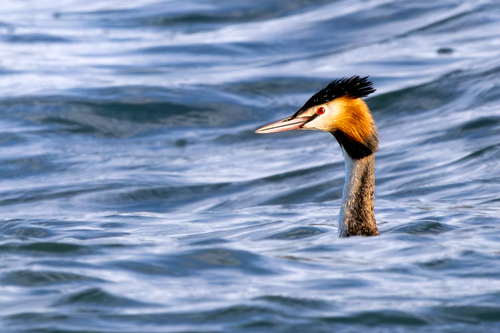 Svasso maggiore
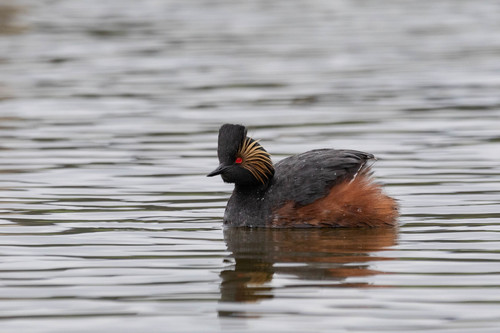 Svasso piccolo
In breve
Il modo più affidabile per separare il Svasso maggiore dal Svasso piccolo è attraverso la dimensione e il modello di testa/collo: il Svasso maggiore è molto più grande e, in abito nuziale, mostra ornate piume nere e arancio-marroni sulla testa, mentre il Svasso piccolo è compatto con una testa e un collo neri e sorprendenti ventagli di piume ocra dietro l'occhio. Negli abiti non nuziali o giovanili, concentrati sulla forma del becco, sulla lunghezza del collo e sulla massa complessiva, così come sulle sottili differenze nel modello del viso e delle ali superiori. I giovani di entrambe le specie sono striati ma differiscono nella colorazione della testa e del collo. Le viste in volo e gli uccelli immaturi sono una fonte comune di confusione, quindi presta particolare attenzione alla struttura e a eventuali modelli facciali rimanenti.
Consigli di identificazione
- La dimensione è il segno più facile: Il Svasso maggiore è molto più grande e con collo più lungo rispetto al Svasso piccolo. Usa questo quando hai una percezione di scala o vedi entrambe le specie insieme.
- Forma della testa e del collo: Il Svasso maggiore ha un collo lungo e snodato e un corpo allungato, mentre il Svasso piccolo è compatto con un collo corto e un corpo più rotondo. Questo è particolarmente utile in volo o sull'acqua a distanza.
- Forma del becco: Il Svasso maggiore ha un becco più lungo, dritto e chiaro (rosato in inverno), mentre il becco del Svasso piccolo è sottile, corto, leggermente rivolto verso l'alto e scuro (nero o grigio a seconda della stagione).
- Modello della testa in abito nuziale: Gli adulti del Svasso maggiore mostrano ornate creste nere doppie e colli arancio-marroni sulla testa, con un viso e un collo bianchi. Gli adulti del Svasso piccolo in abito nuziale hanno una testa e un collo neri con un sorprendente ventaglio di piume ocra dietro l'occhio.
- Modello della testa non nuziale: In inverno, il Svasso maggiore perde le piume della testa ma mantiene un viso bianco sopra l'occhio; il Svasso piccolo diventa più grigio con un cappuccio scuro che si estende sotto l'occhio e ovali bianchi dietro le copritrici auricolari.
- Modello giovanile/di pulcino: Entrambi sono striati, ma i pulcini del Svasso maggiore hanno strisce nere e bianche audaci; i pulcini del Svasso piccolo sono grigio scuro con strisce più chiare e una gola/collo anteriore pallidi.
- Ali superiori in volo: Il Svasso piccolo mostra una distintiva macchia bianca sulle secondarie e sulle primarie interne, visibile in volo in tutti gli abiti. L'ala superiore del Svasso maggiore è meno contrastante e manca di un forte pannello bianco.
- Colore del fianco: In abito nuziale, il Svasso piccolo ha fianchi color castano-marrone, mentre i fianchi del Svasso maggiore sono bianchi.
- Colore dell'occhio: Il Svasso piccolo ha un occhio rosso vivido con un anello orbitale giallo o arancione, particolarmente sorprendente in abito nuziale. L'occhio del Svasso maggiore è meno evidente.
- Modello del viso negli uccelli non nuziali: Il Svasso maggiore mostra più bianco sopra l'occhio e un viso pallido; il Svasso piccolo ha un viso più scuro con ovali bianchi dietro le copritrici auricolari.
- Comportamento: Il Svasso maggiore spesso esegue elaborate esibizioni di corteggiamento e porta i pulcini sulla schiena. Il Svasso piccolo è meno appariscente e più probabile da vedere in gruppi.
- Habitat: Se visto su un grande lago aperto o su un bacino, specialmente in Europa occidentale, è più probabile che sia un Svasso maggiore. Il Svasso piccolo preferisce laghi e stagni più piccoli ma può sovrapporsi.
- Colore del becco in inverno: Il becco del Svasso maggiore è rosato in inverno, mentre quello del Svasso piccolo è grigio.
- Quando hai dubbi: Se l'uccello è piccolo, compatto, con un collo corto e mostra una macchia bianca sull'ala in volo, è quasi certamente un Svasso piccolo. Se è grande, con collo lungo e manca di un forte pannello alare, è un Svasso maggiore.
- Trappole: Gli uccelli immaturi e non nuziali possono essere confusi—concentrati su struttura, dimensione e eventuali modelli facciali o alari rimanenti. Le strisce giovanili svaniscono rapidamente, quindi non fare affidamento su di esse dopo il primo inverno.
Taglia
Il Svasso maggiore è significativamente più grande, pesando circa 875 g e misurando 46–51 cm di lunghezza con un'apertura alare di 59–73 cm [wikidata]. Al contrario, il Svasso piccolo è molto più piccolo, con una lunghezza di 28–34 cm e un peso di 215–450 g, con un'apertura alare di 52–60 cm [wikipedia]. La differenza di dimensione è solitamente ovvia quando visti insieme, ma può essere più difficile da giudicare a distanza o senza un confronto diretto. Il Svasso maggiore appare lungo e con collo lungo, mentre il Svasso piccolo è compatto e con collo corto.
Piumaggio
- Piumaggio giovanile/immaturo: I pulcini di entrambe le specie sono audacemente striati, ma i pulcini del Svasso maggiore hanno strisce alternate nere e bianche sulla testa, mentre i pulcini del Svasso piccolo hanno una testa grigio scuro con strisce e macchie bianche o grigio chiaro, e una gola e collo anteriore più chiari. Man mano che maturano, i giovani del Svasso maggiore perdono le loro strisce nel primo inverno, mentre i giovani del Svasso piccolo assomigliano agli adulti non nuziali ma sono più marroni con lore pallidi e sfumature chiare sulla testa e sul collo.
- Piumaggio nuziale adulto: Il Svasso maggiore è inconfondibile con creste nere doppie e colli arancio-marroni sulla testa, viso bianco e collo lungo e bianco. Il Svasso piccolo ha una testa, un collo e un petto neri, con un ventaglio di piume ocra dietro l'occhio e fianchi color castano-marrone.
- Piumaggio adulto non nuziale: Il Svasso maggiore perde le ornate piume della testa, mostrando un viso bianco sopra l'occhio e un becco rosa. Il Svasso piccolo diventa più grigio nelle parti superiori e nel collo, con un cappuccio scuro che raggiunge sotto l'occhio e ovali bianchi dietro le copritrici auricolari; il becco è più grigio.
- Ali superiori in volo: Il Svasso piccolo mostra una distintiva macchia bianca sulle secondarie e sulle primarie interne, in contrasto con ali altrimenti scure. L'ala superiore del Svasso maggiore è meno contrastante, apparendo generalmente scura con meno bianco evidente.
Comportamento
Il Svasso maggiore è un eccellente nuotatore e subacqueo, spesso visto eseguire elaborate esibizioni di corteggiamento con danze sincronizzate. Porta i pulcini sulla schiena e insegna loro a nuotare immergendosi e riemergendo nelle vicinanze. Il Svasso piccolo è anche un abile subacqueo ma è più compatto e meno appariscente nelle sue esibizioni. Entrambe le specie nidificano lungo il bordo dell'acqua, ma le esibizioni del Svasso maggiore sono più evidenti ed elaborate.
Habitat
Entrambe le specie nidificano in aree vegetate di laghi d'acqua dolce, ma il Svasso maggiore è più probabile trovarsi su corpi d'acqua più grandi e può svernare su bacini o acque costiere. Il Svasso piccolo si trova spesso su laghi e stagni più piccoli, a volte in grandi gruppi, specialmente al di fuori della stagione di nidificazione. Può verificarsi sovrapposizione degli habitat, ma il Svasso maggiore tende a preferire acque più aperte.