

Glaucous-winged Gull vs Slaty-backed Gull
Larus glaucescens contro Larus schistisagus
Fai un quiz con Glaucous-winged Gull e Slaty-backed Gull
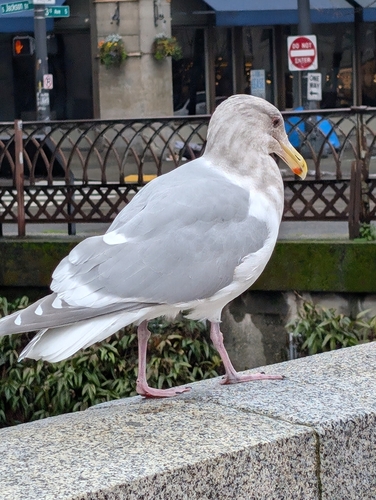 Glaucous-winged Gull
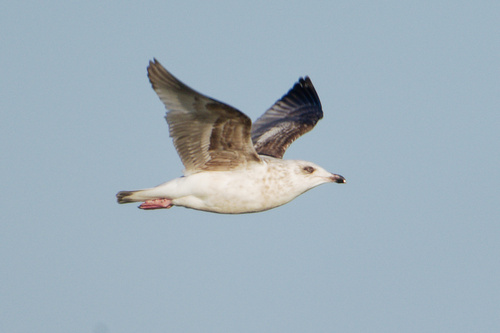 Slaty-backed Gull
In breve
Il segno di campo più affidabile tra Glaucous-winged Gull e Slaty-backed Gull è il colore e il motivo delle punte delle ali negli adulti: Glaucous-winged ha punte delle ali grigio chiaro che si abbinano strettamente al mantello, mentre Slaty-backed mostra ali superiori di un grigio ardesia distintamente più scuro con un bordo bianco audace e un motivo a 'stringa di perle' sulle primarie. Gli uccelli immaturi sono più difficili da identificare, ma gli immaturi di Slaty-backed mostrano un'ala più decorata con un forte bordo bianco e 'stringa di perle', mentre gli immaturi di Glaucous-winged sono più semplici, marroni e mancano di queste caratteristiche. Strutturalmente, Slaty-backed è più robusto e più panciuto con zampe più corte, e ha occhi gialli con un anello orbitale colorato, rispetto all'occhio più chiaro di Glaucous-winged e al suo aspetto con zampe più lunghe. Entrambe le specie sono gabbiani grandi, con zampe rosa e testa bianca, ma prestare attenzione al contrasto delle punte delle ali, al bordo posteriore e alla struttura generale è fondamentale.
Consigli di identificazione
- Adult wingtip color (all seasons): Glaucous-winged Gull ha punte delle ali grigio chiaro che si abbinano al mantello, dando un aspetto sbiadito e a basso contrasto; Slaty-backed Gull ha punte delle ali di un grigio ardesia distintamente più scuro con un bordo bianco audace e un motivo a 'stringa di perle' sulle primarie.
- Immature wing pattern (juvenile/first-winter): Gli immaturi di Slaty-backed mostrano un ampio bordo bianco e una serie di mezze lune bianche ('stringa di perle') sulle primarie medie, visibili in volo; gli immaturi di Glaucous-winged sono più semplici, marroni con poco contrasto e mancano di questi segni.
- Back and mantle color (adults): Il dorso e le ali di Slaty-backed sono di un grigio ardesia più scuro, più scuro rispetto al mantello grigio argenteo chiaro di Glaucous-winged.
- Primary 'mirrors' (adults): Slaty-backed mostra grandi macchie bianche (specchi) sulle primarie esterne (p9, p10); gli specchi di Glaucous-winged sono più piccoli o assenti, e le primarie sono chiare.
- Trailing edge (all ages): Slaty-backed ha un ampio e netto bordo bianco sulle ali, particolarmente evidente in volo; il bordo di Glaucous-winged è molto meno distintivo.
- Eye color and orbital ring (adults): Slaty-backed ha occhi gialli con un anello orbitale da viola a rosa intenso; Glaucous-winged ha tipicamente occhi più chiari e un anello orbitale meno colorato.
- Leg color and length: Entrambi hanno zampe rosa, ma quelle di Slaty-backed sono più corte, facendolo apparire più tozzo e panciuto; Glaucous-winged appare più alto e con zampe più lunghe.
- Bill: Entrambe le specie hanno un becco giallo con una macchia rossa, ma il becco di Slaty-backed può apparire leggermente più robusto; non è un segno di campo forte.
- Head shape and jizz: Slaty-backed spesso appare più panciuto e con collo spesso, con una postura compatta e zampe più corte; Glaucous-winged è più lungo e più allungato.
- Head streaking (nonbreeding): I gabbiani Glaucous-winged puri sono solitamente con testa bianca in inverno, ma gli ibridi possono mostrare striature; Slaty-backed rimane per lo più con testa bianca.
- Hybrid confusion: Nel Pacifico nord-occidentale, gli ibridi Glaucous-winged x Western Gull ('Olympic Gulls') possono mostrare oscurità intermedia delle punte delle ali e striature sulla testa, a volte mimando Slaty-backed; fare affidamento su tutta la gamma di segni, specialmente il bordo posteriore e la 'stringa di perle.'
- Habitat and context: In Nord America, un Slaty-backed è raro e solitamente tra i gruppi di Glaucous-winged e altri grandi gabbiani; controllare sempre i candidati vaganti.
- Flight appearance: In volo, Slaty-backed mostra un audace bordo bianco e ali superiori più scure; Glaucous-winged appare più chiaro e uniforme.
- Size: Entrambi sono gabbiani grandi e si sovrappongono in dimensioni; utilizzare la struttura e il piumaggio, non la dimensione, per l'identificazione.
- Immature confusion: Gli immaturi di Slaty-backed possono assomigliare a Herring Gull, ma rispetto a Glaucous-winged, cercare il bordo decorato e la 'stringa di perle.'
Taglia
Entrambe le specie sono tra i gabbiani più grandi, con lunghezza e apertura alare sovrapposte. Glaucous-winged Gull pesa in media circa 1063 g [wikidata], ed è lungo 50–68 cm con un'apertura alare di 120–150 cm. Slaty-backed Gull è simile, lungo 55–68,5 cm e con un'apertura alare di 132–160 cm, e un peso di 1050–1700 g [wikipedia]. Sul campo, la dimensione da sola non è un separatore affidabile, ma Slaty-backed può apparire leggermente più robusto e panciuto, con zampe più corte rispetto alla dimensione del corpo.
Piumaggio
Uccelli giovani/immaturi: Gli immaturi di Slaty-backed sono complessivamente marroni ma mostrano un forte e ampio bordo bianco sulle ali e un motivo a 'stringa di perle' (mezze lune bianche) sulle primarie medie, che si collegano al bordo posteriore. Gli immaturi di Glaucous-winged sono più uniformemente marroni e mancano del forte bordo bianco e della 'stringa di perle', apparendo più semplici in volo.
Uccelli adulti: Gli adulti di Glaucous-winged Gull hanno punte delle ali grigio chiaro che sono quasi della stessa tonalità del mantello, risultando in poco contrasto; le ali appaiono sbiadite e uniformi. Gli adulti di Slaty-backed Gull hanno ali superiori e dorso di un grigio ardesia distintamente più scuro, con un ampio bordo bianco e una serie di macchie bianche ('specchi') sulle primarie esterne. Il contrasto tra il mantello e le punte delle ali è molto più forte in Slaty-backed. Entrambi hanno teste, code e parti inferiori bianche, ma il dorso e le ali di Slaty-backed sono più scuri.
Non riproduttivi: Entrambe le specie hanno teste bianche, ma Glaucous-winged può mostrare più striature negli ibridi, mentre gli uccelli puri sono solitamente con testa pulita. La testa di Slaty-backed rimane per lo più bianca.
Comportamento
Entrambe le specie sono gabbiani grandi e potenti spesso visti a riposo sulle coste o volando lungo le coste. Slaty-backed può apparire più panciuto e eretto quando è posato, con zampe più corte, mentre Glaucous-winged appare più alto e con zampe più lunghe. In volo, Slaty-backed può sembrare avere ali più larghe e pesanti, mentre Glaucous-winged appare più allungato. Entrambi sono aggressivi e dominanti tra i gabbiani, ma le differenze comportamentali sono sottili e non affidabili per l'identificazione sul campo.
Habitat
Entrambe le specie frequentano ambienti costieri, comprese spiagge, porti e estuari. Glaucous-winged Gull è più comune lungo la costa del Pacifico del Nord America, mentre Slaty-backed è un visitatore raro lì, principalmente nidificando nel nord-est asiatico e svernando lungo il Pacific Rim. In Nord America, un Slaty-backed è tipicamente un vagante tra i gruppi di Glaucous-winged e altri grandi gabbiani. È possibile una sovrapposizione degli habitat in inverno, quindi il contesto aiuta ma non è definitivo.
Glaucous-winged Gull · Slaty-backed Gull · I miei uccelli difficili