

Dendrocigna fulva vs Lesser Whistling-Duck
Dendrocygna bicolor contro Dendrocygna javanica
Fai un quiz con Dendrocigna fulva e Lesser Whistling-Duck
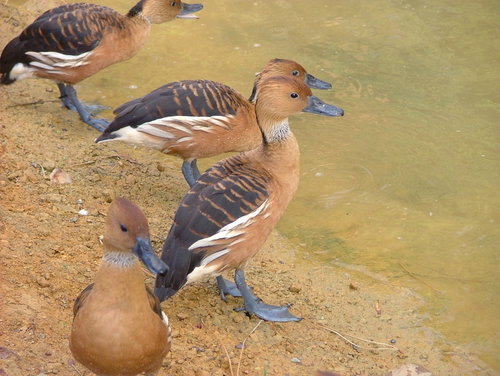 Dendrocigna fulva
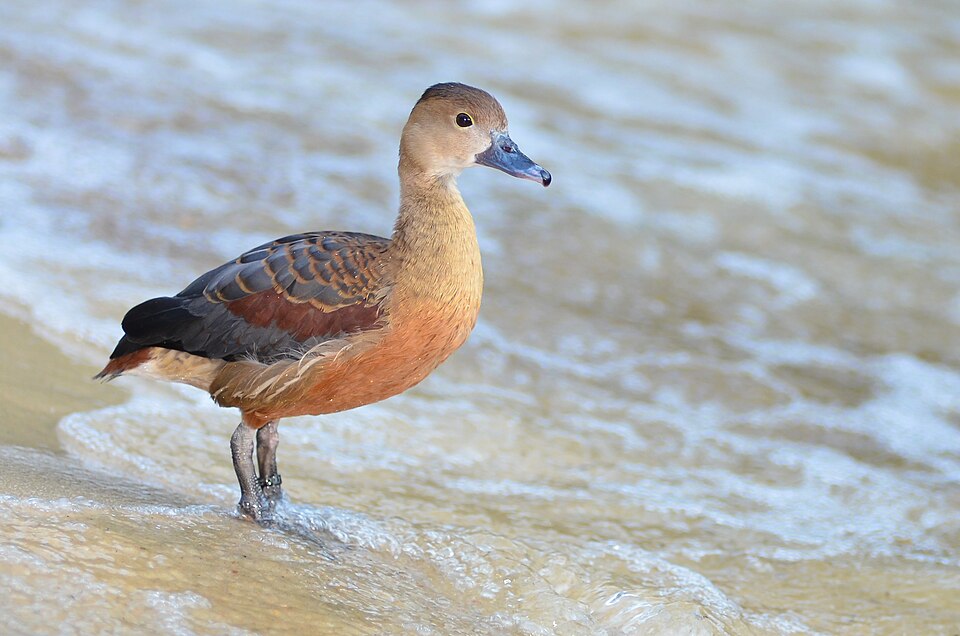 Lesser Whistling-Duck
In breve
Il segno di campo più affidabile per separare Dendrocigna fulva da Lesser Whistling-Duck è il colore delle copritrici superiori della coda in volo: Dendrocigna fulva mostra una striscia bianca molto evidente sulla parte posteriore e una coda nera, mentre Lesser ha copritrici superiori della coda castagne senza bianco. Questa differenza è visibile in tutte le età ed è particolarmente diagnostica quando gli uccelli volano via. Dendrocigna fulva è anche più grande e con zampe più lunghe, con una testa e un collo di un buff più ricco, mentre Lesser è più compatto con una corona scura e un anello oculare giallo-arancione. Entrambe le specie sono simili nella forma generale e nel comportamento, ma un'attenta attenzione al modello della coda, al colore della corona e alla dimensione risolverà la maggior parte delle identificazioni sul campo.
Consigli di identificazione
- Rimpo bianco in volo (tutte le età): Dendrocigna fulva mostra una striscia bianca audace sulla parte posteriore e coda nera quando vola via; Lesser Whistling-Duck non mostra mai bianco qui, avendo invece copritrici superiori della coda castagne. Questo è il segno più affidabile in qualsiasi piumaggio.
- Colore della corona (tutte le età): Lesser Whistling-Duck ha una corona scura (nerastra) solida, in contrasto con il viso e il collo più chiari; Dendrocigna fulva ha una striscia scura sulla corona e sul nape ma non una calotta solida. Questo è visibile negli uccelli in percha e in nuoto.
- Strisce laterali (adulto e giovane): Dendrocigna fulva mostra strisce chiare (bianche) sui fianchi, specialmente quando è gonfiata o si pettina; Lesser manca di queste o mostra solo deboli bordi chiari.
- Anello oculare (adulto e giovane): Lesser Whistling-Duck ha un anello oculare distintivo arancione-giallo, che Dendrocigna fulva non ha. Questo può essere difficile da vedere a distanza ma è utile a distanza ravvicinata.
- Tono di colore generale: Dendrocigna fulva è di un buff più ricco sulla testa, collo e petto, con un dorso più scuro; Lesser è più uniformemente castagne.
- Becco e zampe: Dendrocigna fulva ha un becco grigio più lungo e zampe grigie lunghe, dando un'impressione di magrezza; Lesser è più compatto con zampe proporzionalmente più corte.
- Dimensione: Dendrocigna fulva è più grande e massiccio, ma attenzione agli effetti di sovrapposizione e distanza—usare solo in confronto diretto.
- Aspetto in percha: Dendrocigna fulva sta più in alto e più eretto, con un collo e zampe più lunghi; Lesser ha un collo più corto e più compatto.
- Stile di volo: Entrambi volano con battiti d'ala rapidi, ma Lesser spesso tiene la testa sotto il corpo in volo; Dendrocigna fulva appare più livellato.
- Voce: Dendrocigna fulva emette un fischio chiaro e musicale ('kee-wee-ooo'); Lesser emette un richiamo ripetitivo e sibilante a due note. I richiami sono utili se ascoltati bene ma possono essere confusi a distanza.
- Contesto dell'habitat: Nel sud e nel sud-est asiatico, Lesser è molto più comune, specialmente nelle zone umide urbane; Dendrocigna fulva è locale e meno probabile nei parchi cittadini.
- Confusione giovanile: Il giovane Dendrocigna fulva è più chiaro sotto e più opaco nel complesso ma mostra ancora il rimpo bianco in volo; il giovane Lesser è simile all'adulto ma manca del rimpo bianco e ha una corona scura.
- Differenze sessuali: Entrambi i sessi sono simili nei segni di campo; le femmine di Dendrocigna fulva sono leggermente più opache e più piccole, ma questo non è solitamente utile sul campo.
- Trappole: Non fare affidamento sul colore marrone generale o sulla forma generale—entrambi sono simili. Cerca sempre prima il modello della coda e il colore della corona.
- Quando i segni falliscono: In scarsa illuminazione o viste distanti, concentrati sulla struttura del gruppo e sull'habitat, ma non tentare di identificare senza una chiara visione della parte posteriore o della corona.
Taglia
Dendrocigna fulva è nettamente più grande e pesante (massa media dell'adulto 682 g) rispetto a Lesser Whistling-Duck (525 g). Dendrocigna fulva appare anche con zampe più lunghe e più allungata nel complesso, con un collo e un becco più lunghi. Lesser Whistling-Duck è più compatto e leggermente più corto in lunghezza corporea e apertura alare. In gruppi misti o fianco a fianco, Dendrocigna fulva starà più in alto e sembrerà più massiccio, ma la dimensione da sola può essere difficile da giudicare a distanza o in isolamento.
Piumaggio
- Viste di volo giovanili e adulte: Dendrocigna fulva mostra sempre una falce o una striscia bianca audace sulla parte posteriore, in netto contrasto con la coda nera—questo è visibile in tutti i piumaggi e le età. Lesser Whistling-Duck manca di questo bianco; invece, le sue copritrici superiori della coda sono castagne, fondendosi con il resto del dorso e della coda.
- Corona e collo: Lesser Whistling-Duck ha una corona scura (nerastra) notevolmente scura, anche nei giovani, mentre Dendrocigna fulva ha una striscia scura sulla corona e sul retro del collo ma non una calotta scura solida. La testa, il collo e il petto di Dendrocigna fulva sono di un colore buff (fulvo) più ricco, mentre Lesser è più uniformemente castagne.
- Strisce laterali: Dendrocigna fulva mostra strisce chiare (bianche) sui fianchi, che possono aiutare negli uccelli in percha; Lesser manca di queste o mostra solo deboli bordi chiari.
- Anello oculare: Lesser Whistling-Duck ha un anello distintivo arancione-giallo attorno all'occhio, assente in Dendrocigna fulva.
- Differenze giovanili: Il giovane Dendrocigna fulva è più chiaro sotto e più opaco nel complesso, ma mostra ancora il rimpo bianco in volo. Il giovane Lesser è simile all'adulto ma con meno contrasto e ancora privo del rimpo bianco.
Comportamento
Entrambe le specie si trovano spesso in gruppi attorno alle zone umide e possono essere viste in percha sugli alberi o riposando a terra. Lesser Whistling-Duck è particolarmente gregario e potrebbe essere più propenso a perdersi sugli alberi o utilizzare fori negli alberi per nidificare. Entrambi si nutrono principalmente di materiale vegetale nelle zone umide, dabbling e talvolta immergendosi. Dendrocigna fulva può essere vista più spesso camminare con un passo più lungo e snodato. Lesser è noto per essere più notturno e spesso riposa durante il giorno.
Habitat
Dendrocigna fulva ha un'area di distribuzione globale molto più ampia, presente nelle Americhe, in Africa e in Asia, mentre Lesser Whistling-Duck è limitato al subcontinente indiano e al sud-est asiatico. Entrambi preferiscono le zone umide di pianura con abbondante vegetazione, come laghi, paludi e risaie. Nelle regioni asiatiche sovrapposte, entrambe possono verificarsi insieme, ma Dendrocigna fulva è generalmente meno comune e più locale. Lesser è spesso abbondante nelle zone umide urbane e può essere trovato in dormitori diurni più grandi.
Voce
Entrambe le specie hanno richiami fischianti prominenti. Dendrocigna fulva emette un fischio chiaro 'kee-wee-ooo', spesso sentito di notte o in volo, e gli uccelli che litigano emettono un 'kee' ripetitivo e aspro. Lesser Whistling-Duck produce un richiamo ripetitivo e sibilante a due note, a volte descritto come 'mal di mare', ed è molto vocale in volo. I richiami sono simili ma Dendrocigna fulva è più chiaro e musicale, mentre Lesser è più nasale e sibilante. Le differenze sessuali nei richiami di Dendrocigna fulva esistono ma sono sottili e non solitamente utili sul campo.
Dendrocigna fulva · Lesser Whistling-Duck · I miei uccelli difficili