

Fork-tailed Palm Swift vs Silver-beaked Tanager
Tachornis squamata contro Ramphocelus carbo
Fai un quiz con Fork-tailed Palm Swift e Silver-beaked Tanager
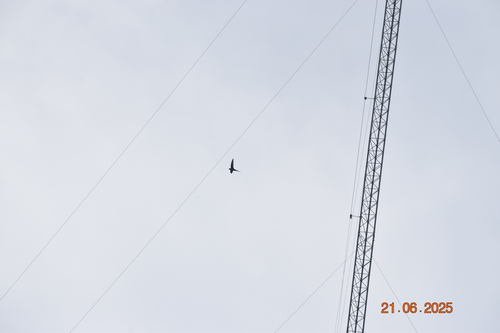 Fork-tailed Palm Swift
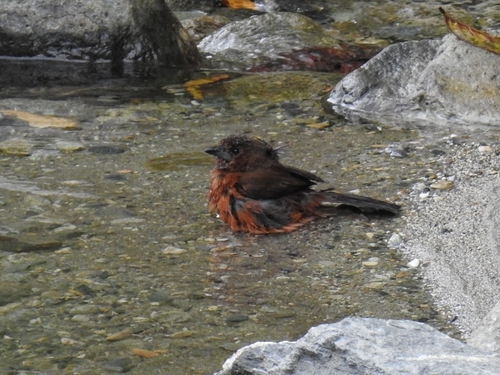 Silver-beaked Tanager
In breve
Il segno distintivo più affidabile è la coda profondamente biforcuta e le ali lunghe e snelle del Fork-tailed Palm Swift, che non sono mai eguagliate dal Silver-beaked Tanager. In volo, la forma aerodinamica del swift e la sua agilità aerea sono inconfondibili, mentre il tanager è un uccello canoro più massiccio, che si posa, con un becco pesante e senza biforcazione nella coda. Anche il piumaggio è diagnostico: il swift è per lo più marrone scuro sopra con parti inferiori chiare macchiate, mentre il tanager (soprattutto il maschio) è di un profondo cremisi con ali e coda nerastre. I giovani swift possono mostrare bordi delle piume color crema, ma mai i ricchi rossi o il becco pesante del tanager. Se vedi un uccello posato su una foglia di palma, controlla prima la forma della coda e la dimensione del becco.
Consigli di identificazione
- La forma della coda è il controllo più veloce: il Fork-tailed Palm Swift mostra sempre una coda lunga e profondamente biforcuta, visibile sia in volo che quando è posato. Il Silver-beaked Tanager ha una coda corta, squadrata o leggermente arrotondata, mai biforcuta.
- La struttura del becco è diagnostica: il swift ha un becco piccolo e simile a un ago, adatto per catturare insetti in volo. Il becco del tanager è pesante, spesso e largo alla base, adattato per frutta e semi. Questo è ovvio anche da lontano.
- Stile di volo: i swift sono quasi sempre visti in volo rapido e acrobatico, raramente si posano a lungo. I tanager si posano frequentemente e si muovono con voli brevi e diretti tra arbusti o alberi.
- Colore del piumaggio (maschi adulti): i maschi di Silver-beaked Tanagers sono di un profondo cremisi a carminio con un aspetto morbido e vellutato, e ali e coda nerastre. I Fork-tailed Palm Swifts sono marrone scuro sopra con una lucentezza verdognola e parti inferiori chiare e macchiate—mai rosse o morbide.
- Colore del piumaggio (femmine/immaturi): le femmine e i tanager immaturi sono di un marrone rossiccio a marrone caldo con ali e coda scure, privi delle parti inferiori chiare e macchiate e della coda biforcuta del swift. I giovani swift possono mostrare bordi delle piume color crema ma mai i toni marroni caldi o rossicci del tanager.
- Parti inferiori: i swift hanno parti inferiori chiare con macchie marrone chiaro, specialmente sulla gola e sul ventre. I tanager sono riccamente colorati sotto (cremisi nei maschi, marrone rossiccio nelle femmine/immaturi) e non mostrano mai l'aspetto chiaro e macchiato del swift.
- Postura posata: i swift si posano quasi esclusivamente su foglie di palma, spesso appesi o aggrappati, e appaiono snelli ed allungati. I tanager si posano eretti su rami o fili, apparendo massicci.
- Forma delle ali: i swift hanno ali lunghe, strette e appuntite che si estendono ben oltre la coda quando sono piegate. I tanager hanno ali più corte e arrotondate che non si estendono oltre la coda.
- Schema facciale: i swift hanno una gola bianco-marrone chiaro con macchie scure e guance grigio-marroni; i tanager hanno un colore uniforme della testa (rosso profondo nei maschi, marrone rossiccio nelle femmine) senza gola o guance contrastanti.
- Colore del mandibola (maschi): i maschi tanager hanno una mandibola inferiore bianco argentato con una punta nera; le femmine hanno un becco marrone scuro. I swift hanno un becco uniformemente scuro e piccolo.
- Dimensioni e massa: i swift sono molto più piccoli e leggeri (13 cm, 9–13.6 g) rispetto ai tanager (16–17 cm, 21–37.5 g). Se l'uccello appare massiccio o pesante, è un tanager.
- Contesto dell'habitat: un uccello visto in alto nell'aria sopra le palme, specialmente in un gruppo, è quasi certamente un swift. Un uccello che cerca cibo tra arbusti, alberi, o posato in aperto è più probabilmente un tanager.
- Dimorfismo sessuale: i swift non mostrano dimorfismo sessuale; entrambi i sessi sono simili. I tanager sono fortemente dimorfici, con i maschi molto più brillanti delle femmine.
- Confusione giovanile: i giovani swift hanno bordi delle piume color crema e una sfumatura color crema sulla testa, ma mai i toni marroni ricchi o rossi del tanager. I tanager immaturi assomigliano alle femmine e non mostrano mai una coda biforcuta o un volo simile a quello del swift.
- Variazione delle sottospecie: mentre le sottospecie di tanager variano in tonalità e dimensione del becco, nessuna si avvicina mai alla struttura o allo stile di volo del swift. I swift possono essere leggermente più scuri o lucidi a seconda della sottospecie, ma mantengono sempre la coda biforcuta e la struttura snella.
Taglia
Il Fork-tailed Palm Swift è molto più piccolo e leggero: circa 13 cm di lunghezza e 9–13.6 g di peso [wikipedia]. Il Silver-beaked Tanager è più grande e pesante: 16–17 cm di lunghezza e 21–37.5 g [wikipedia]. Il tanager è visibilmente più massiccio, con un corpo robusto e un becco pesante e largo alla base, mentre il swift è snello e quasi simile a una rondine nella struttura. La dimensione da sola è un forte indizio, specialmente se entrambe le specie sono viste nella stessa area.
Piumaggio
I giovani e gli adulti Fork-tailed Palm Swifts sono scuri sopra con una leggera lucentezza verdognola e bordi delle piume grigio chiaro; i giovani mostrano bordi color crema e una sfumatura color crema sulla testa. Le parti inferiori sono chiare con macchie marrone chiaro, mai rosse o morbide. La coda è sempre profondamente biforcuta e scura. I maschi di Silver-beaked Tanager sono di un profondo carminio a cremisi con piumaggio morbido e vellutato e ali e coda nerastre; le femmine e gli immaturi sono di un ricco marrone rossiccio a marrone caldo, con ali e coda scure, e mancano della coda biforcuta. Nessuna età o sesso di tanager mostra le parti inferiori chiare e macchiate del swift o la coda biforcuta. Il becco del tanager è sempre pesante e chiaro sulla mandibola inferiore nei maschi, mentre il becco del swift è piccolo e nero.
Comportamento
I Fork-tailed Palm Swifts sono quasi sempre visti in volo veloce e agile, spesso in alto sopra le palme, raramente si posano se non brevemente e di solito su foglie di palma. Il loro volo è rapido, erratico e ricorda quello delle rondini o di altri swift. I Silver-beaked Tanagers sono tipici uccelli canori che si posano, spesso visti saltellare o sedere in aperto, cercando cibo tra arbusti o alberi, e raramente in volo prolungato. Non mostrano l'agilità aerea del swift o il comportamento di stormo nel cielo aperto.
Habitat
Entrambe le specie possono verificarsi in habitat simili di pianura bassa con palme, specialmente a Trinidad e nel nord del Sud America. Tuttavia, i Fork-tailed Palm Swifts sono fortemente legati ad aree aperte con palme (soprattutto Mauritia flexuosa), paludi di palma e aree urbane con palme piantate, e sono quasi sempre visti in aria o vicino alle chiome delle palme. I Silver-beaked Tanagers sono più generalisti, trovati in una vasta gamma di habitat boschivi e cespugliosi, bordi forestali, giardini, e non richiedono palme. Vedere un uccello in alto sopra le palme nel cielo aperto favorisce fortemente il swift.
Fork-tailed Palm Swift · Silver-beaked Tanager · I miei uccelli difficili