

Vencejillo Tijereta vs Tangara Picoplata
Tachornis squamata frente a Ramphocelus carbo
Juega un quiz con Vencejillo Tijereta y Tangara Picoplata
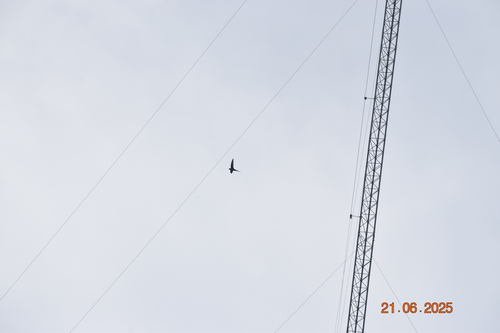 Vencejillo Tijereta
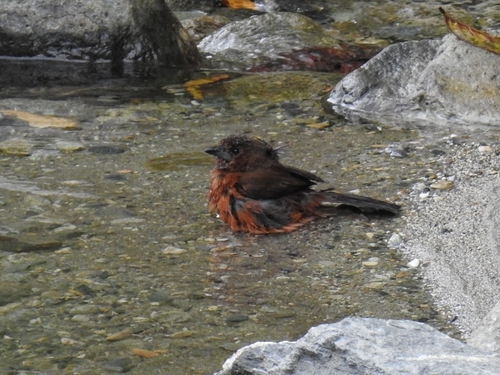 Tangara Picoplata
En breve
La marca de campo más confiable es la cola profundamente bifurcada y las alas largas y delgadas del Vencejillo Tijereta, que nunca son igualadas por la Tangara Picoplata. En vuelo, la forma aerodinámica del vencejillo y su agilidad aérea son inconfundibles, mientras que la tangara es un ave cantora más robusta, que se posa con un pico pesado y sin bifurcación en la cola. El plumaje también es diagnóstico: el vencejillo es mayormente de color marrón oscuro por encima con partes inferiores moteadas de color claro, mientras que la tangara (especialmente el macho) es de un profundo carmesí con alas y cola negruzcas. Los vencejillos juveniles pueden mostrar bordes de plumas color crema, pero nunca los ricos rojos o el pico pesado de la tangara. Si ves un ave posada en una hoja de palma, revisa primero la forma de la cola y el tamaño del pico.
Consejos de identificación
- La forma de la cola es la verificación más rápida: El Vencejillo Tijereta siempre muestra una cola larga y profundamente bifurcada, visible tanto en vuelo como cuando está posado. La Tangara Picoplata tiene una cola corta, cuadrada o ligeramente redondeada, nunca bifurcada.
- La estructura del pico es diagnóstica: El vencejillo tiene un pico pequeño, parecido a una aguja, adecuado para atrapar insectos en vuelo. El pico de la tangara es pesado, grueso y ancho en la base, adaptado para frutas y semillas. Esto es obvio incluso a distancia.
- Estilo de vuelo: Los vencejillos son casi siempre vistos en vuelo rápido y acrobático, rara vez posándose por mucho tiempo. Las tangaras se posan con frecuencia y se mueven con vuelos cortos y directos entre arbustos o árboles.
- Color del plumaje (machos adultos): Los machos de la Tangara Picoplata son de un profundo carmesí a rojo con un aspecto lujoso y aterciopelado, y alas y cola negruzcas. Los Vencejillos Tijereta son de color marrón oscuro por encima con un brillo verdoso y partes inferiores pálidas y moteadas—nunca rojas o lujosas.
- Color del plumaje (hembras/inmaduros): Las hembras y los inmaduros de las tangaras son de color marrón rojizo a marrón cálido con alas y cola oscuras, careciendo de las partes inferiores moteadas pálidas y la cola bifurcada del vencejillo. Los vencejillos juveniles pueden mostrar bordes de plumas color crema, pero nunca los tonos marrón cálido o rojizo de la tangara.
- Partes inferiores: Los vencejillos tienen partes inferiores pálidas con moteado marrón claro, especialmente en la garganta y el vientre. Las tangaras son ricamente coloreadas por debajo (carmesí en machos, marrón rojizo en hembras/inmaduros) y nunca muestran el aspecto pálido y moteado del vencejillo.
- Postura posada: Los vencejillos se posan casi exclusivamente en hojas de palma, a menudo colgando o aferrándose, y lucen delgados y alargados. Las tangaras se posan erguido en ramas o alambres, apareciendo robustas.
- Forma de las alas: Los vencejillos tienen alas largas, estrechas y puntiagudas que se extienden más allá de la cola cuando están plegadas. Las tangaras tienen alas más cortas y redondeadas que no se extienden más allá de la cola.
- Patrón facial: Los vencejillos tienen una garganta de color marrón claro con moteado oscuro y mejillas marrón grisáceo; las tangaras tienen un color de cabeza uniforme (rojo profundo en machos, marrón rojizo en hembras) sin garganta o mejilla contrastante.
- Color de la mandíbula (machos): Los machos de las tangaras tienen una mandíbula inferior de color blanco plateado con una punta negra; las hembras tienen un pico marrón oscuro. Los vencejillos tienen un pico uniformemente oscuro y pequeño.
- Tamaño y volumen: Los vencejillos son mucho más pequeños y ligeros (13 cm, 9–13.6 g) que las tangaras (16–17 cm, 21–37.5 g). Si el ave parece robusta o pesada, es una tangara.
- Contexto de hábitat: Un ave vista en lo alto del aire sobre palmas, especialmente en un grupo, es casi seguramente un vencejillo. Un ave forrajeando en arbustos, árboles, o posada en el abierto es más probable que sea una tangara.
- Dimorfismo sexual: Los vencejillos no muestran dimorfismo sexual; ambos sexos se parecen. Las tangaras son fuertemente dimórficas, con machos mucho más brillantes que las hembras.
- Confusión juvenil: Los vencejillos juveniles tienen bordes de plumas color crema y un tinte crema en la cabeza, pero nunca los ricos tonos marrón o rojo de la tangara. Las tangaras inmaduras se parecen a las hembras y nunca muestran una cola bifurcada o un vuelo parecido al del vencejillo.
- Variación de subespecies: Aunque las subespecies de tangaras varían en tonalidad y tamaño del pico, ninguna se acerca a la estructura o estilo de vuelo del vencejillo. Los vencejillos pueden ser ligeramente más oscuros o brillantes dependiendo de la subespecie, pero siempre retienen la cola bifurcada y la construcción delgada.
Tamaño
El Vencejillo Tijereta es mucho más pequeño y ligero: aproximadamente 13 cm de largo y 9–13.6 g de peso [wikipedia]. La Tangara Picoplata es más grande y pesada: 16–17 cm de largo y 21–37.5 g [wikipedia]. La tangara es notablemente más robusta, con un cuerpo grueso y un pico pesado y de base ancha, mientras que el vencejillo es delgado y casi similar a una golondrina en su construcción. El tamaño por sí solo es una pista fuerte, especialmente si ambas especies se ven en la misma área.
Plumaje
Los Vencejillos Tijereta juveniles y adultos son oscuros por encima con un ligero brillo verdoso y bordes de plumas gris claro; los juveniles muestran bordes color crema y un tinte crema en la cabeza. Las partes inferiores son pálidas con moteado marrón claro, nunca rojas o lujosas. La cola siempre es profundamente bifurcada y oscura. Los machos de la Tangara Picoplata son de un carmesí profundo a rojo con plumaje lujoso y aterciopelado y alas y cola negruzcas; las hembras y los inmaduros son de un rico marrón rojizo a marrón cálido, con alas y cola oscuras, y carecen de la cola bifurcada. Ninguna edad o sexo de la tangara muestra las partes inferiores moteadas pálidas del vencejillo o la cola bifurcada. El pico de la tangara siempre es pesado y pálido en la mandíbula inferior en machos, mientras que el pico del vencejillo es pequeño y negro.
Comportamiento
Los Vencejillos Tijereta son casi siempre vistos en vuelo rápido y ágil, a menudo por encima de las palmas, rara vez posándose excepto brevemente y generalmente en hojas de palma. Su vuelo es rápido, errático y recuerda a las golondrinas u otros vencejillos. Las Tangaras Picoplata son aves cantoras típicas que se posan, a menudo vistas saltando o sentadas en el abierto, forrajeando en arbustos o árboles, y rara vez en vuelo sostenido. No muestran la agilidad aérea del vencejillo ni el comportamiento de agrupamiento en el cielo abierto.
Hábitat
Ambas especies pueden ocurrir en hábitats de tierras bajas similares con palmas, especialmente en Trinidad y el norte de Sudamérica. Sin embargo, los Vencejillos Tijereta están fuertemente ligados a áreas abiertas con palmas (especialmente Mauritia flexuosa), pantanos de palmas y áreas urbanas con palmas plantadas, y casi siempre se ven en el aire o cerca de las copas de las palmas. Las Tangaras Picoplata son más generalistas, encontrándose en una amplia variedad de hábitats boscosos y arbustivos, bordes de bosques, jardines, y no requieren palmas. Ver un ave en lo alto de las palmas en el cielo abierto favorece fuertemente al vencejillo.
Vencejillo Tijereta · Tangara Picoplata · Mis aves difíciles