

Fawn-throated Foliage-gleaner vs Western Woodhaunter
Automolus cervinigularis contro Automolus virgatus
Fai un quiz con Fawn-throated Foliage-gleaner e Western Woodhaunter
 Fawn-throated Foliage-gleaner
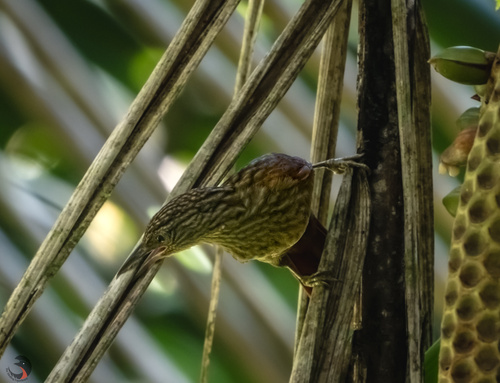 Western Woodhaunter
In breve
Il segno di campo più affidabile tra Fawn-throated Foliage-gleaner e Western Woodhaunter è il modello e il colore della gola e del petto: Fawn-throated mostra una gola di un profondo buff con una scalatura scura sul petto, mentre Western Woodhaunter ha una gola di un buff più chiaro con bordi marroni sfumati e un petto di un buff più profondo con bordi di piume scure. Entrambi sono grandi, con un becco pesante, ma Fawn-throated è leggermente più grande e ha un tono di marrone e ruggine più ricco nel complesso, mentre Western Woodhaunter è più striato e di tono cannella, specialmente sulla schiena e sulla coda. Anche il modello del viso differisce sottilmente, con Fawn-throated che mostra un anello oculare buff audace e Western Woodhaunter che presenta striature dorate-buff sul viso e sulla corona. Entrambi possono sovrapporsi nell'areale dal Nicaragua a Panama, quindi prestare attenzione a questi dettagli del piumaggio è essenziale.
Consigli di identificazione
- Colore e modello della gola: Fawn-throated Foliage-gleaner ha una gola di un profondo buff o ochraceo-buff, spesso con leggere macchie scure, mentre Western Woodhaunter mostra una gola di un buff più chiaro con bordi di piume marroni sfumati. Questo è il segno di campo più consistente per gli adulti.
- Marcature del petto: Il petto di Fawn-throated è buff con un modello di scalatura scura, mentre il petto di Western Woodhaunter è di un buff più profondo con bordi di piume scure ma manca dello stesso effetto di scalatura. Cerca la differenza nella texture e nella profondità del colore.
- Modello del viso: Fawn-throated ha un anello oculare buff audace e una striscia dietro l'occhio, con un viso per lo più marrone scuro e leggere striature rossastre sulle copritrici auricolari. Il viso di Western Woodhaunter è striato di dorato-buff, ha un anello oculare pallido e le lore sono brizzolate marroni e buff. Le striature dorato-buff sulla corona e sul viso sono un buon indizio per Western Woodhaunter.
- Corona e schiena: La corona e il nape di Fawn-throated sono marrone scuro con una leggera scallopatura marrone scura, e la sua schiena è di un ricco marrone scuro. Western Woodhaunter ha una corona marrone scuro con striature dorato-buff che continuano sulla schiena, rendendo le parti superiori più striate e contrastanti.
- Colore del rump e della coda: Fawn-throated ha copritrici della coda ruggine e una coda ruggine, che si fondono con la schiena marrone scuro. Western Woodhaunter mostra un rump di un marrone olivaceo arrugginito, copritrici della coda di un profondo cannella rossastro e una coda di un cannella più chiaro. Il contrasto della coda è più pronunciato in Western Woodhaunter.
- Pancia e copritrici della coda: La pancia di Fawn-throated è di un buff scuro con copritrici della coda di un buff chiaro, mentre la pancia, i fianchi e le copritrici della coda di Western Woodhaunter sono di un marrone olivaceo.
- Colore del becco: Entrambi hanno becchi pesanti, ma la mascella di Fawn-throated è grigia scura con una mandibola di un chiaro corno, mentre il becco di Western Woodhaunter è di un nero marrone con un po' di giallo sulla mandibola. Questo è sottile e spesso difficile da vedere.
- Variazione delle sottospecie: Tieni presente che le sottospecie di entrambi possono mostrare variazioni nel colore della gola e della coda, ma il modello gola/petto rimane il segno più affidabile.
- Dimensione e struttura: Fawn-throated è leggermente più grande e può apparire più robusto e con una coda più lunga, ma questo non è sempre ovvio sul campo.
- Habitat e areale: Se in Messico o Belize, si trova solo Fawn-throated. Se in Colombia o Ecuador, è presente solo Western Woodhaunter. Dal Nicaragua a Panama, entrambi sono possibili—non fare affidamento solo sulla posizione.
- Comportamento: Western Woodhaunter può essere visto più attivamente 'scavare' nei detriti, ma entrambe le specie si nutrono in modi simili e questo non è un forte separatore.
- Sesso e età: Entrambe le specie sono sessualmente monomorfiche e non sono descritti segni specifici di ali o volo per i giovani/immaturi, quindi tutti i segni di campo si applicano sia agli adulti che agli immaturi.
- In perno vs. in volo: Non sono descritte differenze diagnostiche nel volo o nel modello delle ali superiori; fai affidamento sul modello della gola, del petto e del viso in tutte le viste.
- Voce: Non sono disponibili informazioni vocali comparative; non utilizzare la voce per la separazione basata sulle fonti attuali.
- Trappole: Fai attenzione all'illuminazione e all'usura, che possono offuscare il colore della gola e del petto. Differenze sottili nelle striature del viso e nel colore della coda sono meglio viste in buona luce e da vicino.
Taglia
Fawn-throated Foliage-gleaner è marginalmente più grande, misurando 18–20 cm e pesando 30–46 g, rispetto a Western Woodhaunter che misura 17–18 cm e pesa circa 35 g. Entrambi sono tra i più grandi Automolus, ma Fawn-throated tende a sembrare più robusto e con una coda più lunga sul campo. La dimensione del becco è simile: entrambi hanno becchi pesanti e corti, ma quello di Fawn-throated può apparire leggermente più robusto. Queste differenze sono sottili e non sempre affidabili per la separazione a colpo d'occhio.
Piumaggio
Non sono descritte differenze specifiche di età nel modello delle ali o di volo per nessuna delle due specie; entrambi i sessi sono simili. Per gli adulti, Fawn-throated Foliage-gleaner è caratterizzato da una gola di un profondo buff (ochraceo), un audace anello oculare buff e un petto con scalatura scura su uno sfondo buff. La sua schiena e le copritrici delle ali sono di un ricco marrone scuro, con copritrici della coda ruggine e una coda ruggine. Il viso è per lo più marrone scuro con un audace anello oculare buff e una striscia dietro l'occhio. Western Woodhaunter, al contrario, ha una gola di un buff più chiaro con bordi di piume marroni sfumati, un petto di un buff più profondo con bordi di piume scure, e una pancia e una coda di un marrone olivaceo. Il viso è marrone scuro con striature dorato-buff, un anello oculare pallido e un aspetto brizzolato sulle lore. La corona e la schiena sono di un marrone scuro con striature dorato-buff, e il rump e la coda sono di un cannella a cannella rossastra, con la coda più chiara delle copritrici della coda. La variazione delle sottospecie in entrambi può influenzare il tono, ma il modello della gola e del petto rimane il miglior segno di campo.
Comportamento
Entrambe le specie si nutrono nel sottobosco della foresta e nei livelli medi, spesso come parte di stormi misti di specie. Western Woodhaunter è noto per 'scavare' in ciuffi e lanciare via detriti per raggiungere le prede, il che può dargli un aspetto più energetico e di sondaggio rispetto al metodo metodico di raccolta delle foglie di Fawn-throated. Tuttavia, i loro comportamenti di foraggiamento sono ampiamente simili e non sono affidabili senza un'osservazione prolungata.
Habitat
Gli areali si sovrappongono in America Centrale dal Nicaragua a Panama, ma Fawn-throated si estende a nord fino al Messico e al Belize, mentre Western Woodhaunter si estende a sud fino alla Colombia e all'Ecuador. Entrambi abitano foreste umide, specialmente nelle pianure e nelle colline, e vengono più spesso incontrati in boschi densi e maturi. L'habitat da solo non è un separatore sicuro dove i loro areali si sovrappongono.
Fawn-throated Foliage-gleaner · Western Woodhaunter · I miei uccelli difficili