

Saltimpalo vs Culbianco
Saxicola rubicola contro Oenanthe oenanthe
Fai un quiz con Saltimpalo e Culbianco
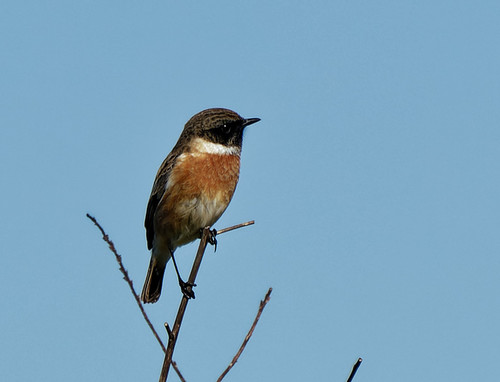 Saltimpalo
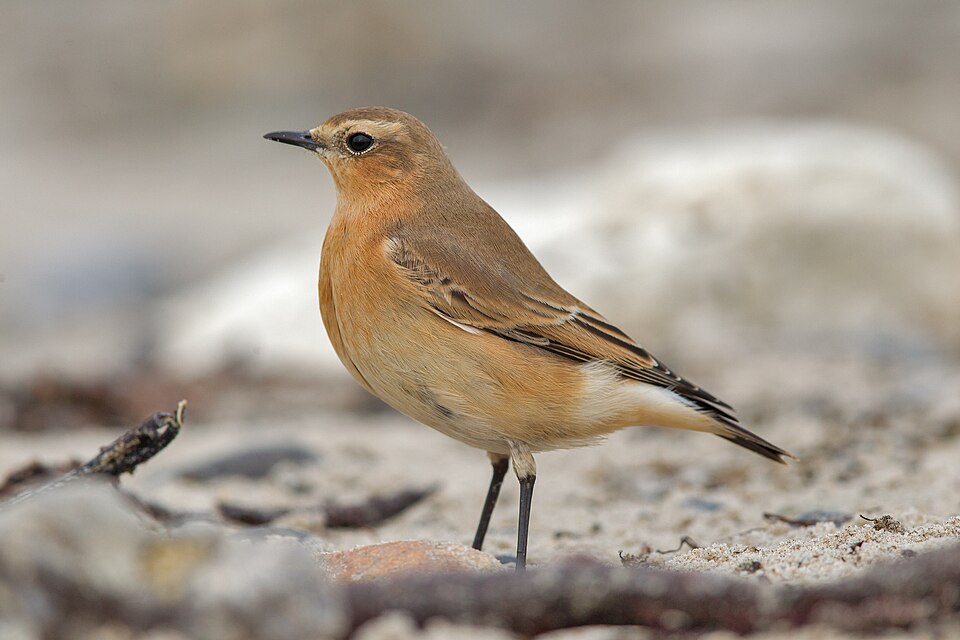 Culbianco
In breve
Il segno di campo più affidabile per separare il Saltimpalo dal Culbianco in qualsiasi età o stagione è il motivo del sopraccoda e della coda in volo: il Culbianco di tutte le età mostra un sopraccoda e una coda bianchi audaci con una T nera rovesciata alla punta, mentre il Saltimpalo ha un sopraccoda bianco molto più piccolo, spesso striato (solo maschi) e una coda scura senza il motivo a T. In posato, i maschi del Saltimpalo mostrano una testa nera e un petto arancione, ma le femmine e gli immaturi sono molto più opachi e possono essere confusi con femmine/immaturi di Culbianco. Il Culbianco è decisamente più grande, con ali più lunghe e coda più lunga, con una postura più eretta e una tendenza a posarsi su rocce o terreno aperto, mentre il Saltimpalo è più piccolo, più rotondo e più spesso si posa su arbusti bassi. In autunno e inverno, entrambe le specie possono apparire opache, ma il motivo della coda/sopraccoda rimane diagnostico in volo.
Consigli di identificazione
- Sopraccoda e coda in volo (tutte le età): Il Culbianco mostra sempre un sopraccoda e una base della coda bianchi brillanti con una T nera rovesciata alla punta. I maschi del Saltimpalo hanno un sopraccoda bianco molto più piccolo, spesso striato, e le femmine/gli immaturi mancano completamente di sopraccoda bianco; la coda è tutta scura.
- Motivo della coda in posato: Se l'uccello sbatte la coda, cerca il motivo a T bianco e nero audace (Culbianco) contro la coda scura semplice (Saltimpalo).
- Forma e lunghezza delle ali: Il Culbianco ha ali lunghe e appuntite che si estendono ben oltre il sopraccoda quando è posato; le ali del Saltimpalo sono corte e arrotondate, appena raggiungendo la base della coda.
- Dimensioni e struttura: Il Culbianco è più grande, con gambe più lunghe e più eretto, con una coda più lunga e un profilo più allungato. Il Saltimpalo è più piccolo, più rotondo e più compatto.
- Comportamento in posato: Il Culbianco spesso si posa su rocce, terreno nudo o pali di recinzione, mentre il Saltimpalo preferisce arbusti bassi, rovi o ginestra.
- Piumaggio del maschio adulto (primavera/estate): Il maschio del Saltimpalo ha una testa nera, una gola e un petto arancione, lati del collo bianchi e una piccola macchia scapolare bianca. Il maschio del Culbianco ha una maschera facciale nera, parti superiori grigie, gola color crema e ali nere, senza toni arancioni.
- Piumaggio della femmina/adulto immaturo: La femmina/l'immaturo di Culbianco è marrone chiaro sopra, color crema sotto, con un sopraccoda e una coda bianchi. La femmina/l'immaturo del Saltimpalo è più scura, con parti superiori marroni striate e manca di qualsiasi bianco sul sopraccoda o sulla coda; può mostrare una piccola macchia scapolare chiara (spesso color crema).
- Macchia scapolare: Il Saltimpalo (entrambi i sessi) può mostrare una piccola macchia scapolare bianca o color crema; il Culbianco non mostra mai questo.
- Motivo della testa: Il maschio del Saltimpalo ha una testa completamente nera; il maschio del Culbianco ha una maschera facciale nera ma una corona e una nuca chiare. Le femmine di entrambi sono più semplici, ma il Saltimpalo è più scuro e più striato.
- Colore delle parti inferiori: Il Saltimpalo (soprattutto i maschi) ha una gola e un petto arancioni forti; il Culbianco è color crema o chiaro sotto, mai arancione.
- Contesto dell'habitat: In habitat aperti, rocciosi o sassosi, specialmente lontano dagli arbusti, aspettati il Culbianco. In aree erbose, cespugliose o di brughiera, il Saltimpalo è più probabile.
- Comportamento a terra: Il Culbianco corre o salta frequentemente a terra; il Saltimpalo raramente lo fa, preferendo lanciarsi da posatoi.
- Vocalizzazioni: Il richiamo del Saltimpalo 'tac-tac' è più secco e meccanico rispetto al 'chack' del Culbianco; i canti sono diversi ma possono essere difficili da separare a meno che non si sia familiari.
- Confusione stagionale: In autunno e inverno, entrambe le specie diventano più opache e simili, ma il motivo del sopraccoda/coda rimane diagnostico.
- Trappole: Le femmine e gli immaturi del Saltimpalo sono spesso scambiati per Culbianco a causa della loro semplicità, ma mancano sempre del motivo del sopraccoda e della coda bianchi. I Saltimpalo meridionali molto pallidi possono avvicinarsi ai toni del Culbianco ma mancano ancora del contrasto audace tra coda e sopraccoda.
Taglia
Il Culbianco è decisamente più grande: 14.5–16 cm di lunghezza e 17–30 g di peso, con un'apertura alare di 26–32 cm [wikipedia], rispetto ai 11.5–13 cm e 13–17 g del Saltimpalo [wikipedia]. Il Culbianco appare più lungo nel corpo e nella coda, mentre il Saltimpalo è più compatto e rotondo. Sul campo, il Culbianco appare spesso più alto e più eretto, specialmente quando si trova su rocce o terreno nudo.
Piumaggio
- Giovanile/immaturo e femmina adulta: La differenza più importante è nel sopraccoda e nella coda. Il Culbianco di tutte le età e sessi mostra un sopraccoda e una base della coda bianchi brillanti, con una chiara T nera rovesciata alla punta della coda—questo è sempre visibile in volo e spesso quando la coda viene sbattuta. I maschi del Saltimpalo in estate hanno una piccola macchia di sopraccoda bianca, ma è striata di nero e molto meno estesa; le femmine e gli immaturi mancano di qualsiasi sopraccoda bianco, mostrando solo toni marroni e striati. La coda del Saltimpalo è tutta scura, senza il motivo a T.
- Maschi adulti in riproduzione: I maschi del Saltimpalo hanno una testa nera, una gola e un petto arancioni, lati del collo bianchi e una piccola macchia scapolare bianca; i maschi del Culbianco hanno una maschera facciale nera, parti superiori grigie, gola color crema e ali nere, senza toni arancioni. Entrambi hanno il bianco sotto, ma solo il Culbianco ha il sopraccoda e la coda bianchi audaci.
- Femmine adulte: Entrambi sono marroni sopra e color crema sotto, ma la femmina del Culbianco è più chiara e più uniforme, con un sopraccoda e una coda bianchi; la femmina del Saltimpalo è più scura, con parti superiori marroni striate e senza sopraccoda o coda bianchi. Solo le femmine del Saltimpalo possono mostrare una piccola macchia scapolare chiara (spesso color crema).
- In autunno/inverno: Il Culbianco diventa più semplice e più simile alla femmina, ma il motivo della coda/sopraccoda rimane. I maschi del Saltimpalo diventano più opachi ma mantengono un po' di arancione e la testa scura; le femmine rimangono striate e scure.
- Motivo delle ali: Il Saltimpalo ha ali corte e arrotondate con una piccola macchia scapolare bianca; il Culbianco ha ali più lunghe e appuntite che sono tutte scure, senza pannello bianco.
Comportamento
Il Culbianco è più probabile da vedere correre o saltare a terra, specialmente in aree aperte e rocciose, e spesso si posa su rocce o pali di recinzione. La sua postura eretta e l'abitudine di sbattere la coda rivelano il sopraccoda e la coda bianchi. Il Saltimpalo è più spesso visto posato su arbusti bassi, rovi o ginestra, lanciandosi per insetti e tornando allo stesso posatoio. Il Saltimpalo raramente trascorre molto tempo a terra e appare più irrequieto, sbattendo ali e coda ma non mostrando un sopraccoda bianco.
Habitat
Il Saltimpalo preferisce terreni erbosi, brughiera, dune costiere e aree con arbusti bassi sparsi o rovi, spesso in habitat più umidi o vegetati. Il Culbianco favorisce paesaggi aperti e rocciosi, campi rocciosi, altopiani e persino terreno nudo, spesso lontano dagli arbusti. Se vedi un uccello in un campo roccioso e senza alberi o su un muro di pietra, è più probabile che sia un Culbianco; se è in un'area cespugliosa e erbosa, è favorito il Saltimpalo.
Voce
Il Culbianco emette un canto fischiante e crepitante e un tipico richiamo 'chack', con un richiamo in volo simile. Il Saltimpalo ha un richiamo 'tac-tac' acuto e secco (come due pietre che si colpiscono) e un canto semplice e ripetitivo. Entrambi possono sembrare superficialmente simili, ma il richiamo del Saltimpalo è più secco e meccanico.