

Civetta nana vs Civetta
Glaucidium passerinum contro Athene noctua
Fai un quiz con Civetta nana e Civetta
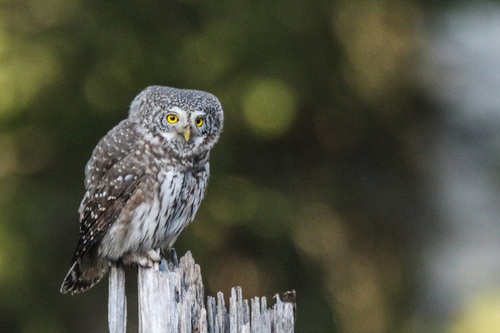 Civetta nana
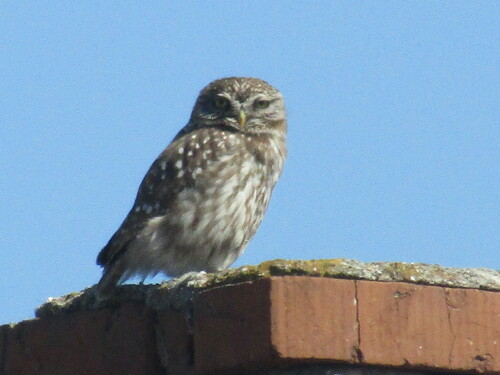 Civetta
In breve
Il segno di campo più affidabile per separare la Civetta nana dalla Civetta è la dimensione: la civetta nana è molto più piccola e più delicata, con una coda corta e un piumaggio fine e maculato, mentre la Civetta è notevolmente più robusta, con una testa piatta e un'espressione feroce e 'accigliata'. In volo, la Civetta mostra un'azione saltellante, simile a quella di un picchio, e un'apertura alare più lunga, mentre la Civetta nana appare più fluttuante e compatta. Le differenze nel piumaggio includono il mezzo collare bianco della civetta nana sulla nuca e una fine maculatura marrone, rispetto alle audaci sopracciglia bianche e alle parti inferiori striate della Civetta. Entrambe hanno occhi gialli, ma quelli della Civetta sono collocati in un volto più prominente e severo. La voce e l'habitat possono anche aiutare, ma la dimensione e la struttura sono gli indizi di campo più rapidi.
Consigli di identificazione
- La dimensione è il controllo più veloce: La Civetta nana è piccola (circa 65 g, 17 cm), mentre la Civetta è molto più grande e pesante (180 g, 22 cm). Se l'uccello appare robusto o delle dimensioni di un piccione, non è una civetta nana.
- Forma della testa e espressione facciale: La Civetta ha una testa piatta e audaci sopracciglia bianche, che conferiscono un aspetto feroce e accigliato. La testa della Civetta nana è piccola, arrotondata e priva di qualsiasi effetto 'sopracciglia'.
- Struttura della coda e delle ali: La Civetta nana ha una coda corta con cinque barre strette e biancastre; la coda della Civetta è corta ma le ali sono larghe e lunghe in proporzione, conferendo un'apertura alare molto più grande.
- Schema del piumaggio: La Civetta nana è di colore rosso-bruno a grigio-bruno con fini macchie bianche e un mezzo collare sulla nuca. La Civetta è di colore grigio-bruno sopra, audacemente macchiata di bianco, e ha parti inferiori striate (non maculate).
- Disco facciale e occhi: Entrambe hanno occhi gialli, ma quelli della Civetta sono collocati in un volto più prominente ed espressivo con un disco appiattito; il volto della Civetta nana è semplice e privo di caratteristiche drammatiche.
- Confusione giovanile: I giovani della Civetta mancano di macchie bianche sulla corona ma mostrano comunque la testa piatta e il ventre striato; i giovani della Civetta nana sono sempre molto più piccoli e hanno una testa semplice e rotonda.
- Stile di volo: La Civetta vola con un'azione saltellante, simile a quella di un picchio—scatti di battiti d'ali e planate. Il volo della Civetta nana è più fluttuante e diretto, in linea con la sua piccola dimensione.
- Comportamento di posarsi: La Civetta spesso si posa in modo audace in aperto, su pali o edifici, e può essere vista alla luce del giorno. La Civetta nana è più riservata, posandosi silenziosamente sugli alberi, specialmente nelle conifere.
- Contesto dell'habitat: L'interno della foresta o un bosco fitto indicano la Civetta nana; terreni agricoli aperti, frutteti o margini urbani favoriscono la Civetta.
- Vocalizzazioni: Ascolta una serie alta, monotona e flautata dalla Civetta nana rispetto al 'kiew' più basso e variegato e ai trilli della Civetta.
- Becco e piedi: La Civetta nana ha un piccolo becco giallo-grigiastro e ricurvo e piedi sproporzionatamente grandi per la sua dimensione. Il becco della Civetta è meno ovviamente sovradimensionato per il suo corpo.
- Collare bianco sulla nuca: Il mezzo collare bianco sulla nuca è un buon segno per la Civetta nana, non mostrato dalla Civetta.
- Marcature delle parti inferiori: Il ventre della Civetta nana è per lo più bianco con macchie marroni; quello della Civetta è chiaro con audaci strisce marroni.
- Dimorfismo sessuale: Le femmine della Civetta nana sono più grandi dei maschi, ma entrambi i sessi sono comunque molto più piccoli di qualsiasi Civetta.
- Contesto stagionale: Entrambe le specie possono essere viste tutto l'anno, ma le abitudini di accumulo di cibo e forestali della Civetta nana sono più evidenti in autunno e inverno, mentre la Civetta è più attiva e visibile negli habitat aperti in primavera e estate.
Taglia
La Civetta nana è drammaticamente più piccola: le femmine adulte misurano 17.4–19 cm di lunghezza (i maschi ancora più piccoli), con una massa corporea di circa 65.5 g. La Civetta è molto più grande e pesante, con una lunghezza di circa 22 cm e un peso di 180 g. Sul campo, questa differenza è ovvia—la Civetta appare robusta e robusta, mentre la Civetta nana è piccola, delicata e quasi simile a un giocattolo in confronto. L'apertura alare della Civetta (56 cm) è anche molto maggiore di quella della civetta nana, rendendo il jizz di volo e il volume in posizione affidabili a colpo d'occhio.
Piumaggio
- Contrasto giovanile/immaturo: I giovani della Civetta sono più opachi degli adulti e mancano delle macchie bianche sulla corona, ma mostrano comunque la caratteristica testa piatta e le parti inferiori striate. I giovani della Civetta nana assomigliano agli adulti, con lati maculati e un mezzo collare sulla nuca, ma sono sempre molto più piccoli e mancano del caratteristico schema facciale audace della Civetta.
- Adulti: La Civetta nana è di colore rosso-bruno a grigio-bruno, con fini macchie bianche sulla schiena, un mezzo collare bianco sulla nuca e un ventre per lo più bianco con macchie marroni. La coda è scura con cinque barre strette e biancastre. La Civetta è di colore grigio-bruno sopra, con audaci macchie bianche, 'sopracciglia' bianche e una parte inferiore chiara e striata. Il volto della Civetta è più espressivo e 'accigliato', mentre quello della Civetta nana è semplice, rotondo e privo di ciuffi auricolari. Entrambe hanno occhi gialli, ma quelli della Civetta sono collocati in un volto più prominente e severo.
Comportamento
La Civetta spesso si posa audacemente in aperto, su pali o edifici, e presenta un volo saltellante, simile a quello di un picchio, con scatti di battiti d'ali e planate. La Civetta nana è più riservata, tipicamente posandosi silenziosamente nelle conifere e mostrando un volo fluttuante e diretto. La Civetta nana può catturare uccelli in volo ed è nota per l'accumulo di cibo, specialmente in autunno. La Civetta è più terrestre, spesso cacciando insetti e piccoli mammiferi a terra, ed è più probabile che venga vista alla luce del giorno.
Habitat
La Civetta nana è un uccello delle foreste boreali e miste nel Nord e Centro Europa fino alla Siberia, preferendo boschi densi di conifere o misti. La Civetta preferisce paesaggi aperti, temperati e più caldi—terreni agricoli, frutteti, parchi e persino margini urbani—attraverso Europa, Nord Africa e Asia. Se vista in una foresta profonda, è più probabile che si tratti di una Civetta nana; in campagna aperta o vicino a insediamenti umani, la Civetta è la norma.
Voce
La Civetta nana emette una serie di note chiare e flautate ad alta frequenza, distanziate di circa due secondi, con entrambi i sessi che aumentano di tono prima e dopo la stagione degli accoppiamenti. Il richiamo della Civetta è un 'kiew, kiew' querulo, a volte fischiando o trillando, e le coppie possono duettare durante la stagione riproduttiva. La voce della Civetta è più bassa e variegata, mentre quella della Civetta nana è più alta e ripetitiva.