

Gufo reale vs Northern Hawk Owl
Bubo bubo contro Surnia ulula
Fai un quiz con Gufo reale e Northern Hawk Owl
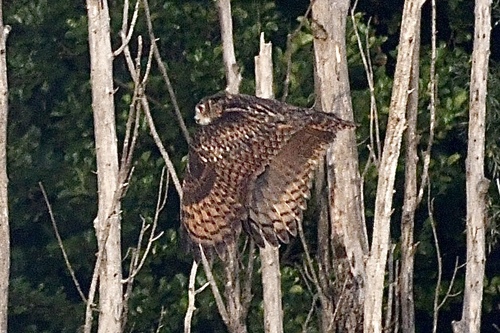 Gufo reale
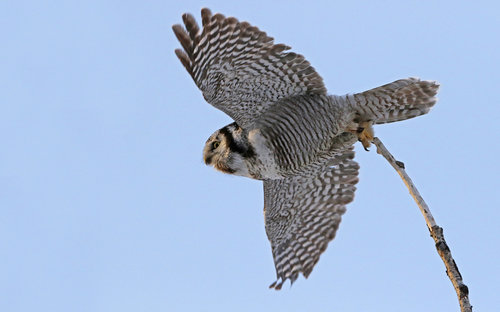 Northern Hawk Owl
In breve
Il segno di campo più affidabile per separare il Gufo reale dal Northern Hawk Owl è la dimensione e la massa complessiva: il gufo reale è davvero massiccio, sovrastando qualsiasi altro gufo nel suo areale, mentre il northern hawk owl è di dimensioni medie e snello. In volo o posato, la lunga coda a bande del Northern Hawk Owl e la sua silhouette simile a un falco contrastano nettamente con le ampie ali del gufo reale, la coda corta e il corpo pesante e a forma di barile. I gufi hawk juvenili possono essere separati dai loro apici della coda appuntiti, mentre gli adulti hanno apici arrotondati. Anche il piumaggio differisce: il gufo reale mostra pesanti striature scure e un ampio viso potente con ciuffi auricolari prominenti, mentre il northern hawk owl ha un viso bianco sorprendente bordato di nero e manca di ciuffi auricolari. Questi due sono improbabili da confondere tranne a grande distanza o in scarsa luce, ma le differenze strutturali e di piumaggio sono chiare con i binocoli.
Consigli di identificazione
- La dimensione è il segno più affidabile: il Gufo reale è enorme, con un'apertura alare fino a 1,7 m e una massa superiore a 2,5 kg; il Northern Hawk Owl è molto più piccolo, con un'apertura alare sotto gli 85 cm e una massa di circa 300–340 g. Anche a distanza, la massa del gufo reale è sorprendente.
- Ciuffi auricolari: il Gufo reale ha grandi e ovvi ciuffi auricolari che sono visibili quando è posato o di profilo; il Northern Hawk Owl manca completamente di ciuffi auricolari: la sua testa è arrotondata senza spigoli.
- Forma e lunghezza della coda: il Northern Hawk Owl ha una coda lunga, stretta e fortemente a bande, spesso tenuta dritta e che si estende ben oltre le ali quando è posato. La coda del Gufo reale è corta e larga, proiettandosi appena oltre le ali ripiegate.
- Apici della coda dei giovanili: i Northern Hawk Owl di primo anno hanno apici della coda appuntiti; gli adulti hanno apici arrotondati. La coda del Gufo reale è sempre larga e arrotondata, indipendentemente dall'età.
- Schema facciale: il Northern Hawk Owl ha un viso bianco sorprendente bordato da un contorno nero netto, occhi gialli e un piccolo becco giallo curvo. Il viso del Gufo reale è ampio, con occhi arancioni, un grande becco e manca di un bordo facciale nettamente definito.
- Schema di piumaggio: il Gufo reale è pesantemente striato e maculato sopra, con una base marrone a ruggine e ampie striature nere; le parti inferiori sono striate. Il Northern Hawk Owl è marrone scuro sopra con macchie bianco sporco, bianco sotto con barrature marroni (non striature) e una V nera sulla nuca.
- Silhouette in volo: il Northern Hawk Owl vola con ali lunghe e strette e una coda lunga, somigliando a un falco. Il volo del Gufo reale è pesante, con ali ampie e arrotondate e una coda corta, più simile a un grande gufo bruno o cornuto.
- Postura posata: il Northern Hawk Owl spesso si siede dritto su posatoi esposti, con un aspetto snello ed allungato. Il Gufo reale appare tozzo, con un torace profondo e massiccio, spesso curvato con le piume gonfie.
- Schema di attività: il Northern Hawk Owl è spesso visto cacciare durante il giorno, specialmente in inverno o negli anni di irruzione. Il Gufo reale è principalmente notturno o crepuscolare, raramente visto alla luce del giorno.
- Contesto dell'habitat: il Gufo reale preferisce scogliere rocciose, foreste remote e colline selvagge. Il Northern Hawk Owl favorisce foreste boreali aperte, torbiere e radure, spesso vicino a corsi d'acqua o terreni aperti.
- Colore degli occhi: il Gufo reale ha occhi arancioni scuri; gli occhi del Northern Hawk Owl sono gialli brillanti.
- Dimensione del becco: il becco del Gufo reale è grande e potente, adatto a prede molto grandi. Il becco del Northern Hawk Owl è piccolo e delicato in confronto.
- Vocalizzazione: non diagnostico qui, ma il richiamo del gufo reale è un hoot profondo e rimbombante; il richiamo del northern hawk owl è più acuto, meno risonante.
- Variazione delle sottospecie: mentre entrambe le specie hanno sottospecie con toni e barrature variabili, le differenze di base—parti inferiori striate vs. barrate, ciuffi auricolari, forma della coda—sono coerenti.
- Trappole comuni: a grande distanza o in scarsa luce, un northern hawk owl posato può apparire più grande di quanto non sia, ma la mancanza di ciuffi auricolari e la coda lunga sono indicatori chiari. Gli apici appuntiti della coda dei gufi hawk giovanili possono essere sottili ma sono unici tra questi due.
Taglia
Il Gufo reale è uno dei gufi più grandi del mondo, con una massa media di 2686 g [wikidata] e un'apertura alare che spesso supera i 150 cm. Il suo corpo è robusto e potente, con una grande testa e un torace profondo. Al contrario, il Northern Hawk Owl è molto più leggero (maschi circa 300 g, femmine circa 340 g [wikipedia]), con un'apertura alare di 69–82 cm—appena la metà di quella del gufo reale. I gufi hawk sono lunghi e snelli, con una lunghezza del corpo di 35–45 cm, ma la loro struttura snella e la coda lunga li fanno apparire ancora più piccoli e agili. In qualsiasi confronto diretto, il gufo reale è di gran lunga più massiccio e imponente.
Piumaggio
I gufi hawk giovanili hanno apici della coda appuntiti, mentre gli adulti hanno apici arrotondati—un segno sottile ma utile se visto bene. Il piumaggio del northern hawk owl è marrone scuro sopra con macchie bianco sporco, un viso bianco bordato di nero e un ventre bianco con barrature marroni. La coda è lunga e fortemente a bande. Il Gufo reale, al contrario, è pesantemente striato e maculato marrone a ruggine sopra, con un ventre più chiaro o più rugginoso a seconda della sottospecie, e ampie striature nere sulle parti superiori, sulla testa e sul petto. Il viso del gufo reale è ampio e arrotondato con occhi arancioni prominenti e grandi ciuffi auricolari ovvi (non presenti nel northern hawk owl). Le parti inferiori sono striate, non barrate. La variazione delle sottospecie in entrambe le specie influisce sul tono e sulla barratura, ma il modello generale—striate per il gufo reale, barrate per il northern hawk owl—rimane coerente. In volo, la lunga e stretta coda del northern hawk owl e le ali appuntite contrastano con le ampie e arrotondate ali del gufo reale e la coda corta.
Comportamento
Il Northern Hawk Owl è spesso attivo durante il giorno e si posiziona in modo evidente in cima ad alberi o pali, scrutando per la preda in aree aperte. Il suo volo è diretto e simile a quello di un falco, spesso planando o battendo le ali con colpi rapidi e superficiali. Il Gufo reale è principalmente crepuscolare o notturno, riposando durante il giorno in luoghi appartati e volando con colpi di ala profondi e lenti. Il gufo reale è più riservato e meno probabile da vedere alla luce del giorno. Le abitudini diurne del northern hawk owl e la tendenza a posarsi in alto e in modo esposto sono indizi comportamentali utili.
Habitat
Il Gufo reale occupa un ampio areale attraverso l'Eurasia, preferendo affioramenti rocciosi, scogliere e colline boscose, spesso lontano da disturbi umani. È un uccello di terreni selvaggi e accidentati. Il Northern Hawk Owl è una specie boreale delle foreste settentrionali, specialmente boschi coniferi aperti, torbiere e margini forestali. È più probabile vederlo in paesaggi aperti e pianeggianti, a volte vicino a radure o zone umide. Anche se gli areali possono sovrapporsi nell'Eurasia settentrionale, il gufo reale preferisce habitat più accidentati e remoti.