

Eastern Marsh Harrier vs Albanella reale
Circus spilonotus contro Circus cyaneus
Fai un quiz con Eastern Marsh Harrier e Albanella reale
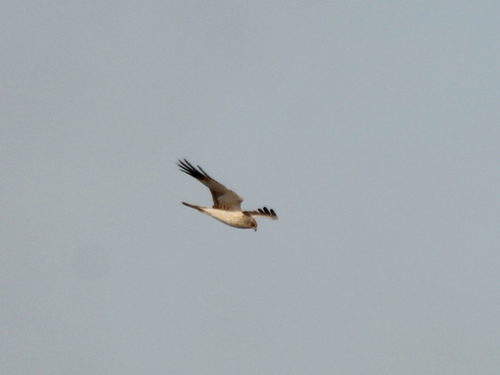 Eastern Marsh Harrier
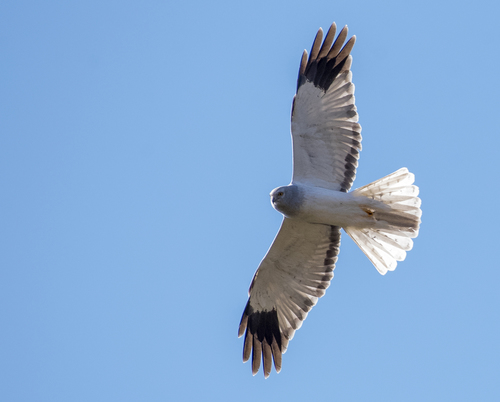 Albanella reale
In breve
Il segno di campo più affidabile per separare l'Albanella reale dall'Eastern Marsh Harrier è il modello di piumaggio in volo, specialmente nei giovani e nelle femmine: i giovani Eastern Marsh Harrier mostrano una macchia chiara sulla parte inferiore dell'ala, mentre i giovani e le femmine dell'Albanella reale ('ringtails') hanno ali inferiori di un marrone scuro più uniforme con aree chiare meno distinte. I maschi adulti di entrambe le specie sono grigi sopra con punte nere alle ali e un sottocoda bianco, ma i maschi Eastern Marsh Harrier hanno un bordo anteriore bianco distintivo sull'ala e un nero più esteso sulla testa e sulle copritrici delle ali. Le femmine di entrambe le specie sono marroni, ma le femmine Eastern Marsh Harrier tendono ad avere striature color crema sulla testa e sulle parti inferiori, mentre le femmine dell'Albanella reale mostrano parti inferiori color crema con barrature marroni. Entrambe le specie volano basse su terreni aperti con le ali tenute in una V poco profonda, ma sottili differenze nella struttura e nel piumaggio aiutano nell'identificazione.
Consigli di identificazione
- Juvenile underwing pattern: Il giovane Eastern Marsh Harrier mostra una macchia chiara sulla parte inferiore dell'ala, mentre il giovane Albanella reale ha ali inferiori di un marrone scuro più uniforme con aree chiare meno distinte. Questo è un segno chiave in volo per gli uccelli immaturi.
- Female upper tail coverts: La femmina dell'Albanella reale ha copritrici superiori della coda bianche ('ringtail'), spesso più evidenti rispetto al sottocoda più chiaro e meno contrastante della femmina Eastern Marsh Harrier.
- Adult male head and wing: Il maschio adulto Eastern Marsh Harrier ha una testa, un petto, una schiena e copritrici delle ali di colore nero con striature chiare, e un bordo anteriore bianco sull'ala. Il maschio dell'Albanella reale ha una testa grigia e un petto superiore, e manca del forte bordo anteriore bianco.
- Adult male underparts: Il maschio Eastern Marsh Harrier è per lo più bianco sotto, mentre il maschio dell'Albanella reale è bianco sotto tranne che per un petto superiore grigio.
- Adult male upperwing: Il maschio Eastern Marsh Harrier ha un'ala grigia con punte nere e un bordo anteriore bianco; l'ala superiore del maschio dell'Albanella reale è grigia con punte nere ma manca del forte bordo anteriore bianco.
- Female and juvenile underparts: La femmina Eastern Marsh Harrier è di un marrone scuro con striature color crema sulla testa e sulle parti inferiori; la femmina dell'Albanella reale è marrone sopra con parti inferiori color crema e barrature marroni.
- Juvenile head color: Il giovane Eastern Marsh Harrier ha color crema sulla testa, mentre il giovane Albanella reale è di un marrone più uniforme.
- Rump patch: Entrambe le specie hanno un sottocoda bianco, ma di solito è più evidente nell'Albanella reale, specialmente nelle femmine e nei giovani.
- Tail pattern: La coda della femmina Eastern Marsh Harrier ha barre scure; la coda della femmina dell'Albanella reale è anch'essa barrata ma spesso appare più chiara alla base a causa delle copritrici superiori bianche.
- Size and structure: L'Eastern Marsh Harrier è più grande e robusto, con un'apertura alare più lunga e spesso appare più pesante in volo. L'Albanella reale è più snella e leggermente più piccola.
- Flight jizz: Entrambe le specie volano con le ali tenute in una V poco profonda, ma l'Eastern Marsh Harrier può apparire più pesante e con ali più robuste, mentre l'Albanella reale è più leggera e agile.
- Vocalizations: L'Albanella reale è più probabile che venga sentita chiamare, specialmente le femmine durante i passaggi alimentari e di allerta; l'Eastern Marsh Harrier è solitamente silenzioso tranne che per un richiamo di mewing nei luoghi di riposo.
- Habitat: Non è affidabile per la separazione dove entrambe si trovano, ma controlla lo stato locale—l'Albanella reale è più diffusa in Eurasia, l'Eastern Marsh Harrier in Asia orientale.
- Season and location: Nelle aree di sovrapposizione, considera il periodo dell'anno e i modelli migratori; l'Albanella reale è migratoria in gran parte del suo areale, mentre l'Eastern Marsh Harrier può essere più residente in alcune regioni.
- Beware of overlap: I maschi adulti sono i più simili; concentrati sul modello di testa e ali. I giovani e le femmine sono meglio separati dal modello della parte inferiore dell'ala e del sottocoda in volo.
Taglia
L'Albanella reale è leggermente più piccola nel complesso, con una lunghezza di 41–52 cm e un'apertura alare di 97–122 cm, mentre l'Eastern Marsh Harrier è più grande con una lunghezza di 48–58 cm e un'apertura alare di 113–137 cm. La massa media degli adulti dell'Albanella reale è di circa 436,5 g (maschi più piccoli, femmine più grandi), mentre non è fornita una massa diretta per l'Eastern Marsh Harrier, ma le femmine sono solitamente più grandi dei maschi in entrambe le specie. Sul campo, questa differenza di dimensioni può essere sottile, ma l'Eastern Marsh Harrier appare spesso più robusto e con ali più lunghe, specialmente in volo.
Piumaggio
Il piumaggio dei giovani e delle femmine è il principale tranello. Il giovane Eastern Marsh Harrier è di un marrone scuro complessivo con color crema sulla testa e una macchia chiara sulla parte inferiore dell'ala, che può essere un segno chiave in volo. Il giovane Albanella reale è anch'esso marrone ma manca di una macchia chiara distintiva sulla parte inferiore dell'ala, mostrando invece secondarie di un marrone scuro più uniforme e un ventre meno barrato. La femmina Eastern Marsh Harrier è di un marrone scuro sopra con striature color crema sulla testa e sulle parti inferiori, un sottocoda biancastro e una coda con barre scure. La femmina dell'Albanella reale è marrone sopra con copritrici superiori della coda bianche (il classico 'ringtail'), parti inferiori color crema con barrature marroni, e una macchia bianca sul sottocoda che è spesso più evidente rispetto all'Eastern Marsh Harrier. I maschi adulti di entrambe le specie sono superficialmente simili: entrambi sono grigi sopra con punte nere alle ali e un sottocoda bianco, ma i maschi Eastern Marsh Harrier hanno una testa, un petto, una schiena e copritrici delle ali di colore nero con striature chiare, un bordo anteriore bianco sull'ala e un corpo per lo più bianco, mentre i maschi dell'Albanella reale hanno un petto superiore grigio, bianco sotto e un'ala superiore grigia più uniforme senza il forte bordo anteriore bianco.
Comportamento
Entrambe le specie cacciano volando basse su terreni aperti con le ali tenute in una V poco profonda. Il loro stile di caccia e il modo di volare sono molto simili, rendendo il comportamento da solo inaffidabile per la separazione. Entrambi possono essere visti sorvolare paludi, praterie o campi, e entrambi usano nidi a terra in canneti o in campagna aperta. L'Albanella reale è nota per essere molto vocale durante la caccia, il che può aiutare in alcuni contesti.
Habitat
La sovrapposizione degli habitat è estesa: entrambe le specie nidificano e cacciano in aree aperte come paludi, praterie e canneti. L'Albanella reale è più diffusa in Eurasia e migratoria, spostandosi a sud in inverno, mentre l'Eastern Marsh Harrier è più ristretto all'Asia orientale. Nelle aree dove entrambe si trovano, l'habitat non è un separatore affidabile.
Voce
Entrambe le specie sono generalmente silenziose sul campo, ma l'Eastern Marsh Harrier ha un richiamo di mewing, più spesso nei luoghi di riposo. L'Albanella reale è più vocale, specialmente la femmina, che emette un 'piih-eh' fischiato quando riceve cibo e un rapido 'chit-it-it-it-it-et-it' come allerta; il maschio chiama 'chek-chek-chek' e un rimbalzo 'chuk-uk-uk-uk' durante la display. Tuttavia, i richiami sono raramente diagnostici a meno che non siano sentiti bene e nel contesto giusto.
Eastern Marsh Harrier · Albanella reale · I miei uccelli difficili