
Eastern Chanting-Goshawk vs Gabar Goshawk
Melierax poliopterus contro Micronisus gabar
Fai un quiz con Eastern Chanting-Goshawk e Gabar Goshawk
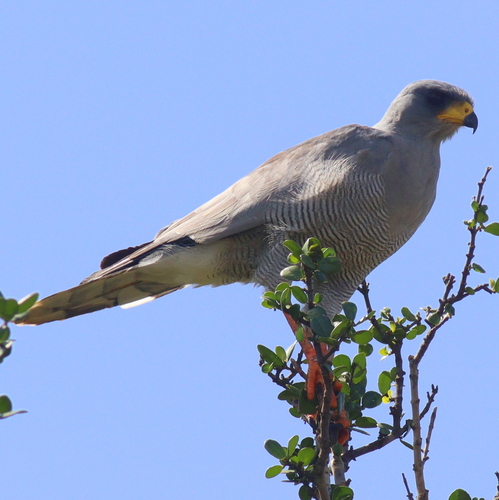 Eastern Chanting-Goshawk
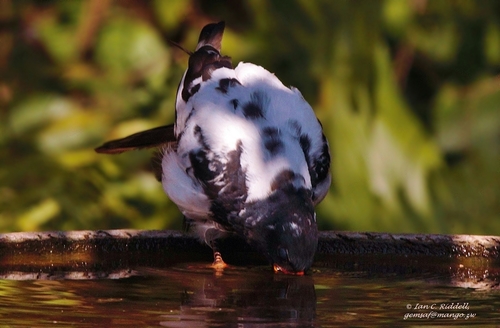 Gabar Goshawk
In breve
Il segno distintivo più affidabile tra Eastern Chanting-Goshawk e Gabar Goshawk è la dimensione e la struttura: l'Eastern Chanting-Goshawk è molto più grande, con una corporatura più robusta, ali più larghe e una coda più corta e graduata, mentre il Gabar Goshawk è piccolo, snello e con una coda lunga. Le piume giovanili possono essere confuse, ma il giovane Eastern Chanting-Goshawk ha meno barre sulle copritrici della coda e sul sopracciglio, e gambe più lunghe rispetto al Gabar. In volo, l'Eastern Chanting-Goshawk mostra un ventre bianco e rivestimenti delle ali bianchi con punte delle ali scure, mentre il Gabar (nella forma pallida) è più uniformemente barrato sotto e ha un sopracciglio bianco evidente. In posizione perpendicolare, il colore delle gambe e del cere, la forma della coda e la massa complessiva aiutano. Il Gabar è spesso solitario o in coppie, mentre l'Eastern Chanting-Goshawk può essere visto in gruppi.
Consigli di identificazione
- Dimensione e massa: L'Eastern Chanting-Goshawk è molto più grande e pesante del Gabar Goshawk. Se vedi un rapace robusto, quasi delle dimensioni di un'aquila, è un Eastern Chanting-Goshawk; un falco piccolo e snello è un Gabar.
- Forma e lunghezza della coda: L'Eastern Chanting-Goshawk ha una coda più corta e graduata (le piume centrali più lunghe di quelle esterne), mentre il Gabar ha una coda più lunga e uniforme. In volo o in posizione perpendicolare, osserva le proporzioni della coda rispetto al corpo.
- Lunghezza e colore delle gambe: Entrambi hanno gambe lunghe, ma quelle dell'Eastern Chanting-Goshawk sono particolarmente lunghe e di colore arancio-rossastro negli adulti (giallo nei Gabar adulti). Le gambe del giovane Eastern Chanting-Goshawk sono più lunghe di quelle del giovane Gabar. Le gambe del Gabar sono gialle negli immaturi, rosse negli adulti.
- Colore del cere: L'adulto Eastern Chanting-Goshawk ha un cere giallo, l'adulto Gabar ha un cere rosso. Il giovane Gabar ha un cere giallo, quindi questo non è sempre affidabile per l'età.
- Piumaggio sotto in volo (adulto): L'Eastern Chanting-Goshawk mostra un ventre bianco e rivestimenti delle ali bianchi con punte delle ali scure, creando un contrasto sorprendente. Il Gabar (forma pallida) è più uniformemente barrato sotto, senza un contrasto così netto.
- Sopracciglio bianco: Il Gabar Goshawk (sia adulto che giovane, forma pallida) ha un sopracciglio bianco evidente, visibile in volo e spesso quando è in posizione perpendicolare. L'Eastern Chanting-Goshawk ha un sopracciglio bianco o leggermente barrato nei giovani, ma è meno prominente e non così pulito come quello del Gabar.
- Copritrici della coda (giovane): Il giovane Eastern Chanting-Goshawk ha barre deboli o nessuna barra sulle copritrici della coda, mentre il giovane Gabar ha copritrici della coda più pesantemente barrate. Questo è un segno chiave per separare i giovani uccelli.
- Barre su ventre e petto (giovane): Il giovane Eastern Chanting-Goshawk ha strisce marroni sulla gola e sul petto, e barre marroni sulle copritrici del ventre, ma il modello complessivo è più ordinato rispetto a quello del Gabar, che è più marrone e disordinato sotto.
- Forma scura: Solo il Gabar Goshawk ha una forma quasi nera; qualsiasi piccolo goshawk completamente scuro è un Gabar.
- Forma dell'ala e stile di volo: L'Eastern Chanting-Goshawk ha ali più larghe e battiti d'ala poco profondi e dritti, spesso planando con ali piatte o leggermente a forma di C. Il Gabar è più simile a un accipiter, con un volo più veloce e agile e ali più strette.
- Comportamento sociale: I gruppi di chanting goshawks (più di 2-3 uccelli insieme) sono quasi sempre Eastern Chanting-Goshawk. Il Gabar è solitamente solitario o in coppie.
- Preferenza per il posatoio: L'Eastern Chanting-Goshawk spesso si posa su rocce esposte o cime montuose; il Gabar preferisce le cime degli alberi spinosi, specialmente le acacie.
- Habitat: In paesi molto aperti, secchi o rocciosi, specialmente nell'Africa orientale, è più probabile trovare l'Eastern Chanting-Goshawk. In aree boschive o di acacia spinosa, specialmente al di fuori dell'Africa orientale, è più probabile trovare il Gabar.
- Voce: Se senti un richiamo melodioso o ripetuti richiami 'pereu-pereu', è un Eastern Chanting-Goshawk. I richiami del Gabar non sono descritti qui.
- Trappole: Il giovane Eastern Chanting-Goshawk può essere confuso con il giovane Dark Chanting-Goshawk, ma rispetto al Gabar, le gambe più lunghe, meno barre sulle copritrici della coda e la dimensione maggiore sono chiave. In caso di dubbio, usa una combinazione di dimensione, forma della coda, colore delle gambe e modello del sopracciglio.
Taglia
L'Eastern Chanting-Goshawk è di gran lunga più grande: la massa corporea media è di 735g, con una lunghezza di 49-55 cm e un'apertura alare di 96-110 cm. Il Gabar Goshawk è molto più piccolo, con una media di 165g, una lunghezza di 28-36 cm e un'apertura alare di circa 63 cm. La differenza è immediatamente evidente se visti insieme o con scala: l'Eastern Chanting-Goshawk è un grande rapace robusto, mentre il Gabar è un piccolo falco snello simile a un accipiter. La femmina del Gabar può avvicinarsi al maschio più piccolo dell'Eastern Chanting-Goshawk in dimensione, ma la sovrapposizione è minima.
Piumaggio
Il giovane Eastern Chanting-Goshawk è marrone opaco sopra con un supercilium pallido, parti inferiori bianche con strisce marroni sulla gola e sul petto, barre marroni sulle copritrici del ventre e barre deboli o assenti sulle copritrici della coda. Il sopracciglio è bianco, a volte parzialmente barrato o non marcato, e la coda è marrone con barre più scure ampiamente distanziate. Il giovane Gabar Goshawk (forma pallida) è complessivamente più marrone, con barre più disordinate sul petto, cere e gambe gialle, e un sopracciglio bianco evidente. Le copritrici della coda sono più pesantemente barrate rispetto all'Eastern Chanting-Goshawk. L'adulto Eastern Chanting-Goshawk è complessivamente grigio chiaro con ventre e rivestimenti delle ali bianchi, punte delle ali scure e una coda nerastra sopra con bianco sotto e barre grigie; le gambe sono arancio-rossastre, il cere giallo. L'adulto Gabar Goshawk (forma pallida) è grigio sopra, barrato bianco e grigio sotto, con un sopracciglio bianco e una coda grigia scura, barrata; le gambe e il cere sono rossi. La forma scura del Gabar è quasi completamente nera, cosa che non è mai riscontrata nell'Eastern Chanting-Goshawk. In volo, l'Eastern Chanting-Goshawk appare bianco sotto con testa grigia e punte delle ali scure, mentre il Gabar è più uniformemente barrato e mostra un sopracciglio bianco sorprendente.
Comportamento
L'Eastern Chanting-Goshawk è spesso visto in gruppi, a volte fino a 16, e spesso caccia cooperativamente, razionando la preda tra i membri del gruppo. Si posa in modo evidente su cime montuose o affioramenti rocciosi e caccia tuffandosi da posatoi esposti, spesso dopo lucertole. Il suo volo è caratterizzato da battiti d'ala poco profondi e dritti e planate con ali piatte o leggermente a forma di C. Il Gabar Goshawk è solitamente solitario o in coppie, specialmente durante la riproduzione, ed è più riservato. Caccia piccoli uccelli facendoli volare dagli alberi in inseguimenti persistenti ed energici, o tuffandosi da un posatoio. Il Gabar è noto per le sue incursioni distruttive nei nidi dei tessitori e per l'uso di ragnatele nella costruzione del nido.
Habitat
L'Eastern Chanting-Goshawk preferisce semideserto, cespugli secchi e praterie boschive fino a 2000 m, tipicamente nell'Africa orientale (sud Etiopia, Gibuti, Somalia occidentale, Kenya orientale, Tanzania nordorientale e Uganda adiacente). Il Gabar Goshawk è più diffuso in Africa e Arabia, e non è così strettamente legato a habitat aperti e aridi; si trova spesso in aree boschive, specialmente di acacia spinosa, ed è meno probabile che venga visto in grandi gruppi o in terreni molto aperti.
Voce
L'Eastern Chanting-Goshawk emette un richiamo melodioso ('rhee-opee-opee-opee') e un breve richiamo a bassa frequenza 'kleee-yeu', con richiami leggermente più acuti rispetto al simile Dark Chanting-Goshawk. Durante la nidificazione, emette un ripetuto 'pereu-pereu-pereu-repee-repee-repee'. Le vocalizzazioni del Gabar Goshawk non sono descritte nelle note fornite, quindi non sono diagnostiche qui.
Eastern Chanting-Goshawk · Gabar Goshawk · I miei uccelli difficili