

Piovanello pancianera vs Gambecchio dell'Alaska
Calidris alpina contro Calidris mauri
Fai un quiz con Piovanello pancianera e Gambecchio dell'Alaska
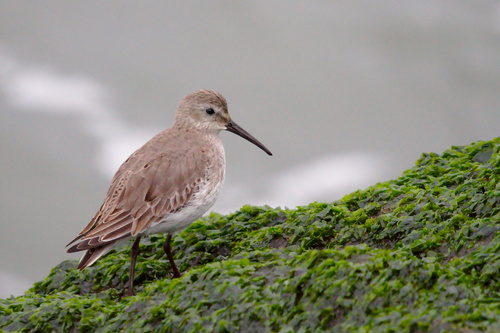 Piovanello pancianera
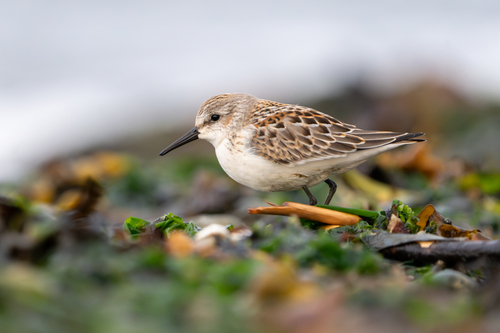 Gambecchio dell'Alaska
In breve
Il modo più affidabile per separare il Piovanello pancianera dal Gambecchio dell'Alaska è cercare il caratteristico segno nero sul ventre del Piovanello pancianera in abito nuziale, una caratteristica che il Gambecchio dell'Alaska non mostra mai. Fuori dalla stagione degli amori, concentrati su dimensioni e struttura: il Piovanello pancianera è notevolmente più robusto e con un becco più lungo, con un becco leggermente ricurvo e con punta smussata, mentre il Gambecchio dell'Alaska è più piccolo e con un becco più corto. In volo, entrambi mostrano una sottile striscia bianca sulle ali, ma il giovane Piovanello pancianera può mostrare deboli 'V' bianche sulla schiena, un segno che il Gambecchio dell'Alaska non ha. Fai attenzione in inverno, poiché entrambe le specie diventano più semplici e grigie, rendendo le differenze strutturali e la forma del becco gli indizi principali.
Consigli di identificazione
- Ventre nero in abito nuziale (solo Piovanello pancianera): Cerca un segno nero solido sul ventre degli adulti in primavera/estate—il Gambecchio dell'Alaska non mostra mai questo. Questo è il segno diagnostico più importante quando presente.
- Dimensioni e robustezza: Il Piovanello pancianera è notevolmente più grande e pesante del Gambecchio dell'Alaska. Nei gruppi misti, il Piovanello pancianera si distingue come l'uccello più robusto.
- Forma e lunghezza del becco: Il becco del Piovanello pancianera è più lungo, più spesso e leggermente ricurvo con una punta smussata (spesso appare smussato nella vita, non affilato). Il becco del Gambecchio dell'Alaska è più corto, più sottile e più simile a un ago, a volte con una leggera inclinazione ma mai così spesso o smussato come quello del Piovanello pancianera. La lunghezza del becco può variare con il sesso nel Piovanello pancianera (femmine con becco più lungo), quindi usalo con cautela.
- Schema della schiena nei giovani: I giovani Piovanello pancianera possono mostrare deboli segni 'V' bianchi sulla schiena, anche se questi sono deboli. I giovani Gambecchio dell'Alaska non hanno questi segni e sono più semplici sopra.
- Striscia alare in volo: Entrambe le specie mostrano una sottile striscia bianca in volo—questo non è utile per la separazione.
- Colore delle gambe: Entrambi hanno gambe scure; questo non è un separatore.
- Colore della corona nel Gambecchio dell'Alaska in abito nuziale: Il Gambecchio dell'Alaska in abito nuziale mostra un colore bruno-rossiccio sulla corona, ma questo è sottile e non sempre visibile a distanza.
- Insidie dell'abito invernale: Entrambe le specie diventano grigie sopra e bianche sotto in inverno. Il Piovanello pancianera può mantenere alcuni segni neri sui fianchi o sul ventre, ma non una macchia solida. Il Gambecchio dell'Alaska è generalmente più semplice e acquisisce l'abito invernale prima in autunno.
- Azione di alimentazione: Il movimento di alimentazione del Piovanello pancianera è distintivo—cerca un probing costante e metodico. Il Gambecchio dell'Alaska si alimenta più delicatamente.
- Struttura del gruppo: I gruppi di Piovanello pancianera sono spesso più densi e sincronizzati in volo; i gruppi di Gambecchio dell'Alaska sono più sciolti.
- Contesto dell'habitat: In Eurasia e negli Stati Uniti orientali, il Piovanello pancianera è solitamente il Calidris medio di default; in Nord America occidentale, il Gambecchio dell'Alaska è più probabile, ma controlla per il Piovanello pancianera più grande e robusto tra di loro.
- Voce: Il richiamo 'chreep' del Piovanello pancianera può aiutare se sentito, ma il richiamo del Gambecchio dell'Alaska non è descritto qui.
- Texture della punta del becco (viste ravvicinate): La punta del becco del Piovanello pancianera è smussata e sensibile, non veramente affilata—visibile a distanza ravvicinata, ma non un segno da campo a distanza.
- Variazione di sesso e sottospecie: Le femmine di Piovanello pancianera possono avere becco più lungo, ma questo non si sovrappone alla struttura del becco più fine del Gambecchio dell'Alaska.
- Quando hai dubbi: In inverno o con uccelli lontani, fai affidamento su dimensioni, struttura e forma del becco. Se vedi un ventre nero, è un Piovanello pancianera; se l'uccello è piccolo, con becco fine e grigio semplice in autunno, è più probabile che sia un Gambecchio dell'Alaska.
Taglia
Il Piovanello pancianera è il più grande e pesante dei due: lunghezza 16–20 cm, apertura alare 38–43 cm e peso 34–77 g [wikipedia], rispetto alla lunghezza del Gambecchio dell'Alaska di 14–17 cm, apertura alare 35–37 cm e peso 22–35 g [wikipedia][wikidata]. Sul campo, il Piovanello pancianera appare notevolmente più robusto e robusto, mentre il Gambecchio dell'Alaska è più delicato e leggero nel complesso. Questa differenza di dimensioni è spesso visibile in gruppi misti, con il Piovanello pancianera che si distingue come l'uccello più robusto.
Piumaggio
- Giovani/uccelli immaturi: I giovani Piovanello pancianera sono marroni sopra con due deboli segni 'V' bianchi sulla schiena, anche se questi sono meno audaci rispetto ad alcuni altri Calidris. I giovani Gambecchio dell'Alaska non hanno questi segni 'V' e sono generalmente più semplici sopra.
- Volo (tutte le età): Entrambe le specie mostrano una sottile striscia bianca in volo, quindi questo non è un separatore utile tra di loro.
- Adulti in abito nuziale: Il Piovanello pancianera è unico tra i trampolieri di dimensioni simili per il suo audace segno nero sul ventre, che il Gambecchio dell'Alaska non mostra mai. Il Gambecchio dell'Alaska in abito nuziale è marrone sopra con un po' di ruggine sulla corona, ma sempre con il ventre bianco.
- Non in abito nuziale/inverno: Entrambe le specie diventano più semplici, con parti superiori grigio-marroni e parti inferiori bianche. Il Piovanello pancianera può mostrare alcuni segni neri sui fianchi o sul ventre, ma non la macchia nera solida. Il Gambecchio dell'Alaska è generalmente più semplice grigio e acquisisce l'abito invernale prima in autunno.
- Becco e gambe: Entrambi hanno gambe scure, ma il becco del Piovanello pancianera è più lungo, più spesso, leggermente ricurvo e con punta smussata; quello del Gambecchio dell'Alaska è più corto, più sottile e si assottiglia di più verso una punta.
Comportamento
Il Piovanello pancianera è altamente gregario in inverno, formando spesso grandi gruppi strettamente sincronizzati che si muovono sopra le zone umide e le spiagge. La loro azione di alimentazione è metodica e distintiva, descritta come un movimento di 'macchina da cucire' mentre cercano cibo. Anche il Gambecchio dell'Alaska forma gruppi ma tende ad essere meno densamente imballato e più disperso nei gruppi di alimentazione. La struttura più robusta del Piovanello pancianera e il suo stile di alimentazione più pesante possono risaltare tra i Gambecchi dell'Alaska più delicati.
Habitat
Entrambe le specie frequentano le zone umide costiere e le spiagge sabbiose, specialmente durante la migrazione e in inverno. Il Piovanello pancianera è uno dei trampolieri più comuni in questi habitat in tutto il suo areale, formando spesso la maggior parte dei gruppi misti di Calidris. Il Gambecchio dell'Alaska preferisce habitat simili ma può essere più abbondante in Nord America occidentale, mentre il Piovanello pancianera domina in Eurasia e negli Stati Uniti orientali. Nelle aree sovrapposte, controlla per il Piovanello pancianera più grande e robusto tra i più piccoli Gambecchi dell'Alaska.
Voce
Il Piovanello pancianera emette un tipico richiamo 'chreep' e una dura canzone di esibizione trillante. I richiami del Gambecchio dell'Alaska non sono descritti nelle note fornite, quindi la voce non è un separatore affidabile basato su queste informazioni.
Piovanello pancianera · Gambecchio dell'Alaska · I miei uccelli difficili