

Dideric Cuckoo vs African Palm Swift
Chrysococcyx caprius contro Cypsiurus parvus
Fai un quiz con Dideric Cuckoo e African Palm Swift
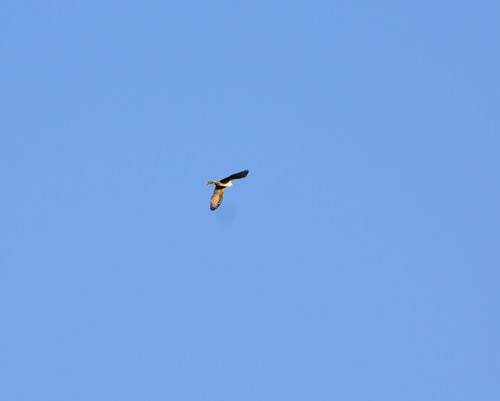 Dideric Cuckoo
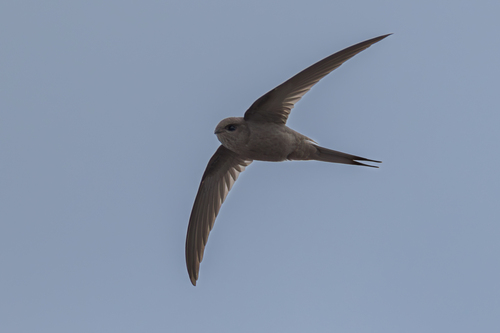 African Palm Swift
In breve
Il modo più affidabile per separare il Dideric Cuckoo dall'African Palm Swift è attraverso la struttura e lo stile di volo: il cuculo ha un aspetto compatto, con ali corte e coda corta, e un volo forte e diretto, mentre il swift è snodato con ali lunghe a forma di falce e una coda profondamente biforcuta, raramente si posa e viene quasi sempre visto in volo rapido e agile. I giovani Dideric Cuckoo mostrano una barra alare bianca e toni ramati sopra, a differenza di qualsiasi palm swift. I cuculi adulti sono di un verde lucido con parti inferiori bianche e una striscia oculare bianca interrotta, mentre gli african palm swift sono uniformemente di un marrone chiaro e mancano di segni forti. Il cuculo è spesso solitario e vocale, mentre il swift è solitamente visto in gruppi di volo veloce attorno alle palme. Dimensione, struttura e comportamento di volo sono i controlli più rapidi sul campo.
Consigli di identificazione
- Il giovane Dideric Cuckoo mostra una barra alare bianca, parti superiori ramate e fianchi macchiati di marrone—nessuno di questi è presente negli african palm swift di qualsiasi età.
- L'adulto Dideric Cuckoo ha parti superiori verdi lucide con aree ramate e una striscia oculare bianca interrotta, mentre l'african palm swift è uniformemente di un marrone chiaro e manca di qualsiasi forte motivo facciale o corporeo.
- Le ali del Dideric Cuckoo mostrano tre o quattro macchie bianche sulle vane interne delle remiganti (adulti), e la coda ha punte e macchie bianche. Le ali e la coda dell'african palm swift sono di un marrone semplice senza segni bianchi o ramati.
- L'African Palm Swift ha ali estremamente lunghe e ripiegate all'indietro (a forma di mezzaluna) e una coda lunga e profondamente biforcuta (solitamente tenuta chiusa), dando un profilo simile a un boomerang in volo. Il Dideric Cuckoo ha ali più corte e arrotondate e una coda più corta e meno biforcuta.
- Lo stile di volo è un separatore chiave: i swift sono quasi sempre in volo rapido, agile e continuo, raramente si posano tranne che su superfici verticali. I cuculi si posano frequentemente e volano in brevi esplosioni dirette.
- La forma del becco differisce: il Dideric Cuckoo ha un becco corto e leggermente curvato, mentre il becco dell'african palm swift è minuscolo e appena visibile, adattato per l'alimentazione di insetti in volo.
- Il contesto comportamentale è importante: un uccello visto aggrappato a una fronda di palma o volare continuamente attorno alle palme è probabilmente un swift; un uccello solitario posato in un cespuglio o albero, specialmente se chiama, è probabilmente un cuculo.
- Le vocalizzazioni sono diagnostiche: il richiamo ripetitivo e squillante del cuculo è diverso dal grido acuto del swift.
- Differenze sessuali nel cuculo: le femmine sono più ramate sopra e hanno parti inferiori marroni con barre ramate sui fianchi, ma mostrano comunque più motivo di qualsiasi african palm swift.
- I giovani african palm swift differiscono dagli adulti principalmente nella lunghezza della coda, non nel colore o nel motivo; rimangono di un marrone semplice e mancano di qualsiasi barra alare o toni ramati.
- Dimensione e massa: il Dideric Cuckoo è più pesante e più robusto (33g vs 14g), ma la lunghezza è solo leggermente maggiore; la differenza è più evidente sul campo grazie all'aspetto più massiccio e compatto del cuculo.
- Gli african palm swift sono spesso in gruppi, specialmente vicino alle palme, mentre i cuculi sono solitamente solitari.
- Se vedi un uccello foraggiare in volo, specialmente vicino alle palme, e mai posarsi tranne che su fronde di palma, è quasi certamente un swift.
- Se vedi un uccello con una barra alare bianca, lucentezza ramata o verde, o una striscia oculare bianca interrotta, è un Dideric Cuckoo.
- È possibile sovrapposizione di habitat, ma gli african palm swift sono più abbondanti vicino alle palme, mentre i cuculi sono più generalisti in boschi aperti e savana.
Taglia
Il Dideric Cuckoo è notevolmente più pesante (33g vs 14g) e leggermente più lungo (18–20 cm vs 16 cm), ma la differenza nella struttura è più sorprendente della lunghezza da sola: il cuculo è compatto e robusto, mentre l'african palm swift è molto snodato con ali estremamente lunghe e una coda lunga e profondamente biforcuta (solitamente tenuta chiusa). Sul campo, il swift appare molto più leggero e delicato, con una massa corporea inferiore alla metà di quella del cuculo.
Piumaggio
I giovani Dideric Cuckoo sono distintivi con un becco rosso, gola striata, barra alare bianca, parti superiori ramate e fianchi macchiati di marrone. Questi segni sono assenti in tutti gli african palm swift. I cuculi maschi adulti sono di un verde lucido sopra con macchie ramate, una striscia oculare bianca interrotta e parti inferiori bianche; le femmine sono più ramate e hanno parti inferiori marroni con barre ramate sui fianchi. Le ali del cuculo mostrano tre o quattro macchie bianche sulle vane interne delle remiganti, e la coda ha punte e macchie bianche. Al contrario, l'African Palm Swift è uniformemente di un marrone chiaro senza un motivo forte, sia negli adulti che nei giovani (questi ultimi hanno principalmente code più corte). I swift mancano di qualsiasi barra alare, toni ramati o punte bianche sulla coda. Il piumaggio del cuculo è molto più contrastante e motivo, mentre il swift è semplice e privo di segni.
Comportamento
Il Dideric Cuckoo è spesso visto posato in boschi aperti, savana o cespugli lungo i fiumi, ed è solitamente solitario. Si muove con voli brevi e diretti tra i posatoi ed è spesso rumoroso. L'African Palm Swift è quasi sempre visto in volo continuo, raramente posandosi tranne che per aggrapparsi verticalmente a fronde di palma. I swift si nutrono, bevono e persino si bagnano in volo, e si trovano tipicamente in gruppi, volando rapidamente ed erraticamente, spesso in alto sopra o attorno alle palme.
Habitat
Il Dideric Cuckoo favorisce boschi aperti, savana e cespugli lungo i fiumi, ed è generalmente solitario. È un migratore a breve distanza, muovendosi con le piogge, e non è strettamente legato a nessuna pianta particolare. L'African Palm Swift è fortemente associato alle palme da olio e alle palme coltivate, ma si trova anche in savana boschiva, cespugli spinosi e terreni agricoli. I swift sono più spesso visti in campagna aperta vicino alle palme, e la loro abbondanza può aumentare dove le palme sono piantate.
Voce
Il Dideric Cuckoo è molto vocale, emettendo un richiamo persistente e forte 'deed-deed-deed-deed-er-ick', solitamente quattro note chiare seguite da un twitter. L'African Palm Swift emette un grido forte e acuto, molto diverso nel tono e nella struttura dal richiamo del cuculo. Se senti il richiamo distintivo del cuculo, è diagnostico.
Dideric Cuckoo · African Palm Swift · I miei uccelli difficili