

Dark Pewee vs Western Wood-Pewee
Contopus lugubris contro Contopus sordidulus
Fai un quiz con Dark Pewee e Western Wood-Pewee
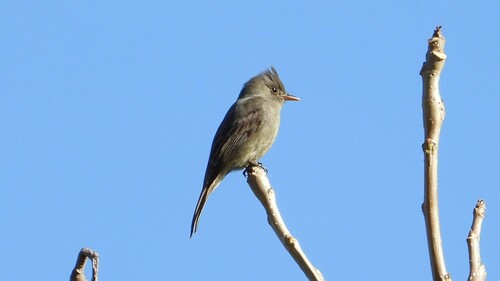 Dark Pewee
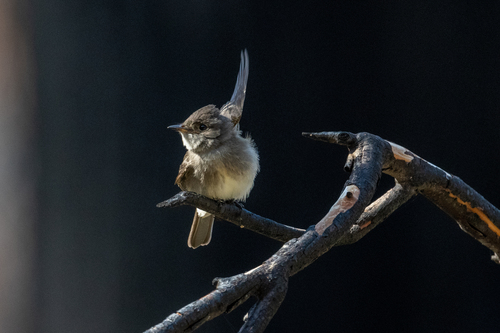 Western Wood-Pewee
In breve
Il segno di campo più affidabile tra Dark Pewee e Western Wood-Pewee è l'oscurità e il contrasto generale: Dark Pewee è notevolmente fuligginoso e scuro nel complesso, con una barra alare debole o quasi assente, mentre Western Wood-Pewee è di un grigio-oliva più chiaro sopra con due barre alari distinte e una parte inferiore più chiara. I giovani Dark Pewee mostrano frange rugginose sulle piume delle ali, una caratteristica assente in Western Wood-Pewee. Strutturalmente, Dark Pewee è più grande e più robusto, con una cresta più prominente. L'habitat e l'areale sono anche chiave: Dark Pewee è ristretto alle foreste di alta montagna della Costa Rica e del Panama occidentale, mentre Western Wood-Pewee è un migratore nordamericano diffuso. La voce differisce, ma entrambi possono essere forti e ripetitivi.
Consigli di identificazione
- Juvenile wing pattern: Cerca frange rugginose sulle piume delle ali dei giovani Dark Pewee; i giovani Western Wood-Pewee non mostrano mai questa caratteristica.
- Overall darkness: Dark Pewee è fuligginoso e scuro nel complesso, specialmente sulla corona e sulle parti superiori, mentre Western Wood-Pewee è di un grigio-oliva più chiaro con un aspetto più sbiadito.
- Wing bars: Western Wood-Pewee mostra due barre alari distinte in tutte le età, mentre la barra alare di Dark Pewee è debole o quasi assente, specialmente negli adulti.
- Bill color: Western Wood-Pewee ha un becco scuro con giallo alla base del mandibolo inferiore; il colore del becco di Dark Pewee è meno contrastante e non è notato come diagnostico.
- Crest: Dark Pewee ha una corona crestata più prominente, conferendogli un aspetto con una testa più robusta rispetto alla corona più liscia di Western Wood-Pewee.
- Underpart color: Le parti inferiori di Dark Pewee sono di un grigio-oliva più chiaro rispetto alla schiena, diventando giallastre sulla pancia inferiore; le parti inferiori di Western Wood-Pewee sono chiare con un lavaggio oliva sul petto.
- Tail and wings: Le ali e la coda di Dark Pewee sono nerastre e contrastano con il corpo fuligginoso; le ali di Western Wood-Pewee non sono così scure e sono messe in risalto dalle barre alari chiare.
- Size and structure: Dark Pewee è più grande e più pesante (21,5 g contro 11–14 g), con una struttura più robusta e un corpo più lungo, evidente quando visti fianco a fianco o con esperienza.
- Habitat and range: Aspettati Dark Pewee solo nelle foreste di alta montagna della Costa Rica e del Panama occidentale; Western Wood-Pewee non si trova lì ed è una specie nordamericana.
- Behavior: Dark Pewee è solitario e ritorna allo stesso posatoio, spesso difendendo il suo territorio in modo aggressivo; Western Wood-Pewee è meno territoriale e più probabile da vedere in migrazione.
- Voice: Ascolta il forte richiamo a frusta e il canto 'fred-reek-fear' di Dark Pewee rispetto al 'peeer' ronzante e ai 'tsees' discendenti di Western Wood-Pewee. Le vocalizzazioni sono utili se ascoltate bene.
- Context: Se sei in America Centrale ad alta elevazione, specialmente nella catena montuosa Talamancan, ci si aspetta Dark Pewee; altrove, specialmente in Nord America, Western Wood-Pewee è il candidato probabile.
- Sex differences: Entrambe le specie sono sessualmente monomorfiche; non fare affidamento sul sesso per l'identificazione.
- Seasonal variation: Non si notano forti differenze di piumaggio stagionali per nessuna delle due specie, ma le frange rugginose delle ali dei giovani Dark Pewee sono presenti solo nei giovani uccelli.
- Pitfalls: Fai attenzione all'illuminazione: Western Wood-Pewee può apparire più scuro all'ombra, ma mostrerà sempre due barre alari e mancherà dell'uniformità fuligginoso di Dark Pewee. I giovani Western Wood-Pewee non mostrano mai frange rugginose sulle ali.
Taglia
Dark Pewee è significativamente più pesante e leggermente più lungo, con una massa corporea di circa 21,5 g rispetto ai 11–14 g di Western Wood-Pewee. Dark Pewee raggiunge circa 16,5 cm di lunghezza, mentre Western Wood-Pewee è di 14–16 cm. Sul campo, Dark Pewee appare più robusto e massiccio, spesso con una cresta più prominente, mentre Western Wood-Pewee è più snello e più delicato nella struttura.
Piumaggio
- Juvenile/immature birds: I giovani Dark Pewee sono più marroni sopra rispetto agli adulti e hanno frange rugginose distintive sulle piume delle ali, che non si vedono in Western Wood-Pewee a nessuna età. Questo bordo rugginoso è un forte separatore nei giovani uccelli.
- Adults: L'adulto Dark Pewee è di un grigio fuligginoso nel complesso, più scuro sulla corona, con ali e coda nerastre. La barra alare è debole o quasi assente, e le parti inferiori sono di un grigio-oliva più chiaro rispetto alla schiena, diventando giallastre sulla pancia inferiore. Gli adulti di Western Wood-Pewee sono grigio-oliva sopra, con due barre alari chiare e parti inferiori chiare lavate di oliva sul petto. Il becco di Western Wood-Pewee è scuro con giallo alla base del mandibolo inferiore, un punto sottile ma a volte utile. In volo, le barre alari di Western Wood-Pewee e la colorazione complessiva più chiara sono più evidenti, mentre Dark Pewee mantiene un aspetto uniforme e scuro.
Comportamento
Entrambe le specie si posano in modo evidente e si lanciano per gli insetti, ma Dark Pewee è particolarmente solitario al di fuori della stagione riproduttiva ed è noto per tornare allo stesso posatoio esposto ripetutamente. Difende anche aggressivamente il suo nido contro uccelli più grandi. Western Wood-Pewee è meno territoriale e più probabile da vedere in migrazione o in contesti di specie miste. Entrambe le specie utilizzano posatoi alti, ma il comportamento di Dark Pewee è più stazionario e vigile.
Habitat
L'habitat è un forte separatore: Dark Pewee è endemico delle foreste montane Talamancan della Costa Rica e del Panama occidentale, trovato a elevazioni tra 1250–2150 m, specialmente ai margini delle foreste, nelle radure e in aree semiaperte con alberi alti. Western Wood-Pewee è un migratore diffuso in Nord America, nidificando in boschi aperti, margini forestali e aree ripariali, e non si verifica nell'areale di Dark Pewee. Se sei al di fuori delle Highlands centroamericane, quasi certamente non stai vedendo Dark Pewee.
Voce
Dark Pewee emette un richiamo a frusta incessante e forte e un canto ripetitivo 'fred-reek-fear'. Il richiamo di Western Wood-Pewee è un 'peeer' ronzante e il suo canto è una serie di tre 'tsees' discendenti rapidi che terminano con un 'peeer' discendente. Sebbene entrambi siano vocali e ripetitivi, la qualità e il modello dei loro richiami differiscono, con quello di Dark Pewee che è più acuto e simile a una frusta.