
Dark Chanting-Goshawk vs Pale Chanting-Goshawk
Melierax metabates contro Melierax canorus
Fai un quiz con Dark Chanting-Goshawk e Pale Chanting-Goshawk
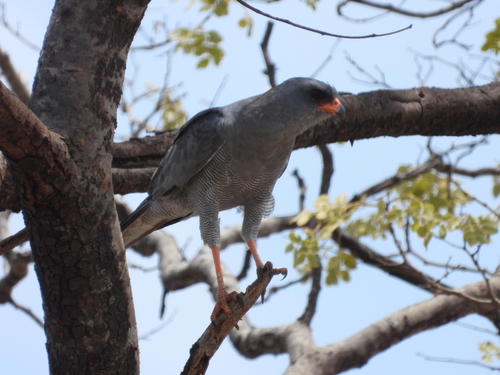 Dark Chanting-Goshawk
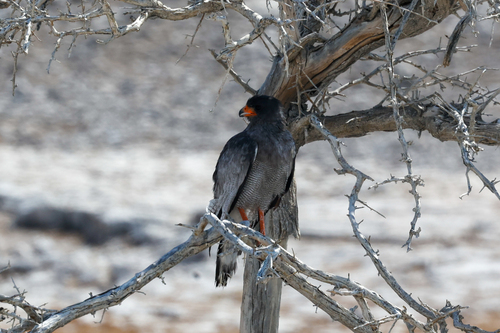 Pale Chanting-Goshawk
In breve
I giovani Dark e Pale Chanting-Goshawks sono separati in volo in modo più affidabile dalla colorazione delle ali inferiori e delle parti inferiori: i giovani Pale Chanting-Goshawks mostrano parti inferiori rugginose e un sottocoda bianco, mentre i giovani Dark Chanting-Goshawks sono complessivamente più marroni, più simili a un'aquila, e mancano delle tonalità rugginose. Gli adulti differiscono nella tonalità di grigio e nell'estensione del bianco sul sottocoda e sulle secondarie, con il Pale che è più chiaro e mostra un sottocoda bianco e secondarie chiare, mentre il Dark è di un grigio più scuro sopra e manca di un sottocoda bianco distintivo. La struttura e il colore delle parti nude sono simili, ma il Pale è leggermente più grande e più probabile da vedere in habitat aperti e aridi appollaiato su pali. Concentrati sul colore del sottocoda, sul tono delle parti inferiori e sul contrasto delle penne alari per la separazione più affidabile sul campo, specialmente negli uccelli immaturi.
Consigli di identificazione
- Giovani/immaturi parti inferiori: Il giovane Pale Chanting-Goshawk mostra parti inferiori rugginose e un sottocoda bianco, mentre il giovane Dark Chanting-Goshawk è complessivamente più marrone, manca di tonalità rugginose e non ha un sottocoda bianco. Questo è il segno più affidabile per gli immaturi in volo.
- Colore del sottocoda (tutte le età): Il Pale mostra un sottocoda bianco distintivo sia negli adulti che negli immaturi; il Dark manca di un sottocoda bianco, apparendo uniformemente grigio scuro sopra.
- Tonalità delle parti superiori negli adulti: L'adulto Pale è visibilmente di un grigio più chiaro, specialmente sulla testa e sul petto superiore, mentre il Dark è di un grigio più profondo e scuro nel complesso.
- Contrasto delle penne alari (adulti): In volo, l'adulto Pale ha secondarie molto chiare (quasi bianche) che contrastano con le primarie nere e le ali anteriori grigie; l'ala superiore del Dark è più uniformemente scura, con primarie nere ma senza un pannello chiaro distintivo.
- Schema della coda: Entrambi hanno barrature nere e bianche, ma le penne centrali della coda del Pale sono nere con punte bianche, e le penne esterne sono barrate di grigio e bianco; la coda del Dark è ampiamente barrata di nero e bianco ma manca dello stesso contrasto.
- Barrature delle parti inferiori (adulti): Entrambi hanno parti inferiori finemente barrate, ma quelle del Pale sono barrate di grigio scuro e bianco, mentre quelle del Dark sono bianche con finissime barrature nere (eccetto il petto grigio).
- Colore delle parti nude: Entrambi hanno cere e zampe rosso-arancioni, ma il Pale ha anche pelle facciale rossa e un becco che è rosso alla base e grigio scuro alla punta. Questi sono sottili e spesso non visibili da lontano.
- Colore degli occhi (immaturi): L'immaturo Pale ha occhi gialli chiari, mentre l'adulto Pale ha occhi marroni scuri. Il colore degli occhi per il Dark non è specificato nelle note.
- Dimensioni e struttura: Il Pale è leggermente più grande e più robusto, ma questo è sottile e non sempre affidabile sul campo. Entrambi hanno zampe lunghe e posture erette.
- Comportamento di appollaiamento: Il Pale è spesso visto appollaiato su pali lungo la strada in campagna aperta; il Dark è meno probabile da vedere in tali ambienti esposti e aridi.
- Contesto dell'habitat: Nell'Africa meridionale, specialmente in semi-deserto aperto e secco, ci si aspetta il Pale; in habitat più boscosi o variati, specialmente al di fuori dell'Africa meridionale, il Dark è più probabile.
- Vocalizzazione: Solo il richiamo del Pale è descritto (un fischio melodioso); se udito, questo supporta il Pale, ma la mancanza di vocalizzazione non è utile.
- Aspetto simile a un'aquila (giovani): Il giovane Dark può sembrare un'aquila (Buteo), ma con una coda più lunga e ali più larghe; i giovani Pale sono più chiari sotto e hanno un sottocoda bianco.
- Sito del nido: Il Pale può nidificare su pali o piloni oltre che sugli alberi; il Dark nidifica solo sugli alberi.
- Struttura del gruppo: Se osservi un trio di adulti a un nido (raro), questo suggerisce il Pale, poiché la poliandria è registrata per questa specie.
Taglia
Il Pale Chanting-Goshawk è mediamente leggermente più pesante (810g contro 758.5g per il Dark) ed è descritto come più grande nel complesso. Entrambi sono falchi di dimensioni medie, con zampe lunghe e posture erette. La differenza è sottile e non sempre evidente sul campo, ma il Pale può apparire un po' più robusto e con ali più lunghe, specialmente quando è appollaiato. I sessi sono simili in entrambi, anche se le femmine di Dark Chanting-Goshawks possono essere più pesanti dei maschi.
Piumaggio
- Giovani/Immaturi:
- Pale Chanting-Goshawk: Parti superiori marroni con un sottocoda bianco sorprendente e coda barrata di nero; le parti inferiori sono rugginose e la gola è bianca con striature scure. In volo, l'ala inferiore e la coda sono bianche con barrature nere, e le secondarie sono molto chiare (quasi bianche da lontano).
- Dark Chanting-Goshawk: I giovani sono complessivamente più marroni, somigliando a un'aquila, ma con una silhouette di coda lunga e ali larghe. Mancano del sottocoda bianco e delle parti inferiori rugginose del Pale; invece, le parti inferiori sono bianche, finemente barrate di nero, e le parti superiori sono di un grigio-marrone scuro.
- Adulti:
- Pale: Testa e petto superiore grigio chiaro, sottocoda bianco, parti inferiori finemente barrate di grigio scuro e bianco, primarie nere, secondarie molto chiare (quasi bianche) e ali anteriori grigie. Lo schema della coda è nero con punte bianche, le penne esterne sono barrate di grigio e bianco.
- Dark: Testa, petto e parti superiori uniformemente di un grigio più scuro; parti inferiori bianche con finissime barrature nere (eccetto il petto, che è grigio); coda ampiamente barrata di nero e bianco, ma senza un sottocoda bianco distintivo. Entrambi hanno cere e zampe rosso-arancioni, ma la pelle facciale del Pale è anche rossa.
Comportamento
Entrambe le specie cacciano da posatoi e si tuffano sul preda, ma il Pale Chanting-Goshawk è particolarmente noto per essere evidente sui pali lungo la strada e in terreni aperti. Il Dark Chanting-Goshawk può seguire mammiferi o persone per catturare prede disturbate dal loro movimento. Entrambi sono nidi territoriali, costruendo nidi di rami sugli alberi, ma il Pale può anche utilizzare pali o piloni. La struttura sociale può differire: il Pale a volte forma trii poliandri, specialmente in aree ricche di prede, mentre il Dark è tipicamente monogamo.
Habitat
Il Pale Chanting-Goshawk è residente nelle regioni secche e aperte del semi-deserto dell'Africa meridionale con meno di 75 cm di pioggia annuale, ed è comunemente visto in campagna molto aperta, spesso su pali lungo la strada. Il Dark Chanting-Goshawk ha un'area di distribuzione più ampia attraverso l'Africa subsahariana e l'Arabia meridionale, favorendo savane, boschi e habitat più variati, ed è meno legato a campi aperti aridi. Se vedi un chanting-goshawk in un vero semi-deserto o appollaiato su un palo nell'Africa meridionale, è molto più probabile che sia un Pale.
Voce
Solo il richiamo del Pale Chanting-Goshawk è descritto nelle note: un 'kleeu-kleeu-kleeu-ku-ku-ku' melodioso e fischiante dato da un posatoio in cima a un albero, specialmente durante la stagione della riproduzione. Le differenze vocali non sono ben coperte per il Dark in queste note, quindi la voce non è un segno primario per la separazione qui.
Dark Chanting-Goshawk · Pale Chanting-Goshawk · I miei uccelli difficili