
Cyprus Wheatear vs Monachella dorsonero
Oenanthe cypriaca contro Oenanthe pleschanka
Fai un quiz con Cyprus Wheatear e Monachella dorsonero
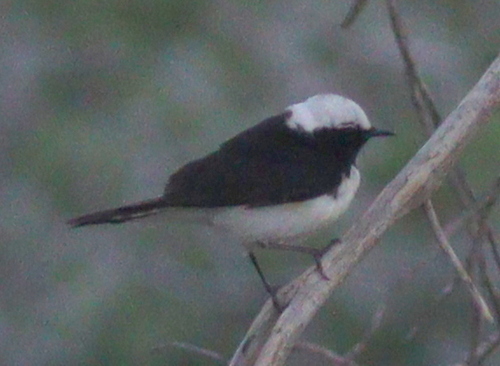 Cyprus Wheatear
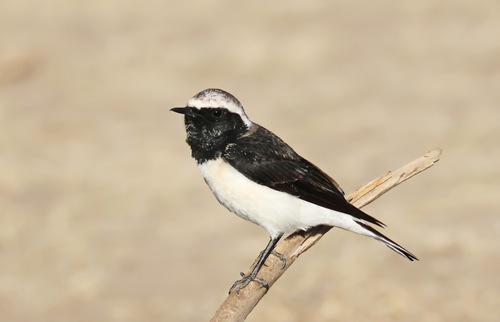 Monachella dorsonero
In breve
Il segno di campo più affidabile per separare la Cyprus Wheatear dalla Monachella dorsonero è l'assenza di dimorfismo sessuale nella Cyprus Wheatear: maschi e femmine si somigliano, mentre la Monachella dorsonero mostra forti differenze tra maschi e femmine, specialmente nel piumaggio nuziale. La Cyprus Wheatear è complessivamente più scura sopra, con un nero più esteso sulla testa, sul dorso e sulla coda, e manca delle tonalità sabbiose o buff tipiche delle femmine e dei giovani Monachella dorsonero. In volo o a riposo, la Monachella dorsonero mostra di solito un distintivo motivo a 'T' invertita sulla coda, mentre la coda della Cyprus Wheatear è più scura nel complesso. L'habitat può anche essere un indizio: la Cyprus Wheatear predilige ambienti più boscosi e arborei, mentre la Monachella dorsonero è legata a terreni aperti e rocciosi. Le vocalizzazioni sono molto diverse, ma non sono sempre disponibili sul campo.
Consigli di identificazione
- Dimorfismo sessuale: Solo la Monachella dorsonero mostra forti differenze tra maschi e femmine nel piumaggio. Se vedi una coppia e entrambi si somigliano, è molto più probabile che si tratti di Cyprus Wheatear.
- Motivo della coda: Cerca il 'T' invertita sulla coda nella Monachella dorsonero—penne centrali nere, penne esterne bianche con punte nere. La coda della Cyprus Wheatear è più scura nel complesso, con più nero e meno bianco chiaro.
- Colore delle parti superiori: La Cyprus Wheatear è più scura sopra, con più nero sulla testa e sul dorso, mentre la Monachella dorsonero (specialmente femmine e giovani) è più marrone e spesso mostra tonalità sabbiose o buff.
- Corona e testa: Il maschio della Monachella dorsonero ha una corona bianca con sfumature marroni, in contrasto con un volto e una gola neri. La Cyprus Wheatear manca della corona bianca ed è più uniformemente scura sulla testa.
- Motivo facciale: La Monachella dorsonero mostra una sottile linea buff dal becco sopra l'occhio; il volto della Cyprus Wheatear è più semplice e scuro.
- Rump e copritrici superiori della coda: La Monachella dorsonero ha un rump bianco e copritrici superiori della coda; il rump della Cyprus Wheatear è meno contrastante e più scuro.
- Parti inferiori: La Monachella dorsonero mostra parti inferiori crema-buff, specialmente nelle femmine e nei giovani; la Cyprus Wheatear è più bianca sotto, con meno buff.
- Motivo giovanile: Il giovane Monachella dorsonero è macchiato sopra (centri chiari su penne marroni); i giovani Cyprus Wheatear non sono descritti come macchiati e dovrebbero apparire più scuri e più uniformi.
- Habitat: A Cipro, una wheatear in un bosco, al margine della foresta, o in alto sugli alberi è quasi certamente una Cyprus Wheatear. In terreni aperti e rocciosi, specialmente al di fuori di Cipro, è più probabile che si tratti di Monachella dorsonero.
- Altezza di appollaiamento: La Cyprus Wheatear spesso si appollaia in alto (5–10 m) sugli alberi; la Monachella dorsonero preferisce rocce e appoggi bassi.
- Canto: Il canto della Cyprus Wheatear è acuto e simile a quello degli insetti; quello della Monachella dorsonero è basso, musicale e variabile. Se senti un canto ronzante, è una Cyprus Wheatear.
- Richiamo: La Monachella dorsonero emette un duro 'zack zack'; i richiami della Cyprus Wheatear non sono descritti in dettaglio qui.
- Volo: Entrambe le specie mostrano un volo tipico delle wheatear, ma la Cyprus Wheatear può apparire più a suo agio sugli alberi e utilizzare più salti aerei.
- Distribuzione: La Cyprus Wheatear nidifica solo a Cipro; la Monachella dorsonero è un raro vagabondo lì. Al di fuori di Cipro, la Monachella dorsonero è la norma.
- Stagione: A Cipro, gli uccelli nidificanti in primavera/estate sono quasi sempre Cyprus Wheatear. La Monachella dorsonero migratoria è rara e di solito al di fuori della stagione di nidificazione.
Taglia
Entrambe le specie sono molto simili in dimensioni, con la Cyprus Wheatear che misura 14–15 cm e la Monachella dorsonero circa 14–14.6 cm di lunghezza [wikipedia]. Non c'è una differenza di dimensioni pratica sul campo, e entrambe sono piccole e snelle wheatear.
Piumaggio
-
Giovani/Uccelli di primo anno: I giovani Monachella dorsonero hanno parti superiori marroni con centri chiari vicino alle punte, dando un aspetto macchiato. Femmine e giovani sono complessivamente più marroni, con punte buff e tonalità sabbiose, specialmente sulla testa e sulle parti superiori. I giovani Cyprus Wheatear non sono descritti in dettaglio, ma la specie nel suo insieme manca delle tonalità sabbiose o buff ed è più scura sopra, con più nero sulla testa e sul dorso.
-
Maschi adulti: I maschi della Monachella dorsonero sono marcati in modo audace con una corona bianca, volto e gola neri, e un rump bianco. La coda mostra un chiaro motivo a 'T' invertita nera. I maschi della Cyprus Wheatear (e le femmine) sono più scuri sopra, con un nero più esteso sulla testa, sul dorso e sulla coda, e mancano della forte corona bianca e delle tonalità sabbiose.
-
Femmine adulte: Le femmine della Monachella dorsonero sono più marroni, con un lavaggio sabbioso buff sulla testa e meno bianco sul rump. Le femmine della Cyprus Wheatear assomigliano ai maschi, senza dimorfismo sessuale, e sono più scure e più contrastanti nel complesso.
-
Motivo della coda: La Monachella dorsonero mostra una coda bianca con un 'T' invertita nera (penne centrali nere, penne esterne bianche con punte nere), mentre la coda della Cyprus Wheatear è più scura con più nero nel complesso.
Comportamento
La Cyprus Wheatear è la più arborea delle wheatear del Palearctico occidentale, spesso appollaiandosi in alto (5–10 metri) e utilizzando salti aerei per catturare insetti. Nidifica frequentemente in boschi e al margine della foresta, e utilizza tattiche di appollaiamento e attacco. La Monachella dorsonero è più terrestre, tipicamente trovata in aree aperte, rocciose e scarsamente vegetate, e canta da rocce o in volo. In volo, entrambe le specie mostrano un volo tipico delle wheatear, ma la Cyprus Wheatear può apparire più a suo agio sugli alberi e su appoggi più alti.
Habitat
La Cyprus Wheatear è fortemente associata a Cipro, nidificando solo sull'isola, e preferisce boschi, margini di foresta e aree con terreno aperto e copertura arborea alta. È molto più arborea della Monachella dorsonero. La Monachella dorsonero nidifica dal sud-est europeo alla Mongolia in habitat aperti, rocciosi e scarsamente vegetati, spesso a elevazioni più elevate. È raramente trovata in aree boschive e evita la vegetazione densa. A Cipro, la Monachella dorsonero è un raro migrante o vagabondo; la Cyprus Wheatear è la specie nidificante predefinita.
Voce
La Cyprus Wheatear ha un canto distintivo, acuto e simile a quello degli insetti, composto da esplosioni ronzanti, molto diverso dalla Monachella dorsonero. Il canto della Monachella dorsonero è a tono basso, musicale e variabile, a volte simile a quello di un allodola o fischiante, e viene eseguito da un appollaiamento o in volo. Il richiamo della Monachella dorsonero è un duro 'zack zack'. Il canto è un forte separatore quando viene udito.
Cyprus Wheatear · Monachella dorsonero · I miei uccelli difficili