

Crested Caracara vs Yellow-headed Caracara
Caracara plancus contro Daptrius chimachima
Fai un quiz con Crested Caracara e Yellow-headed Caracara
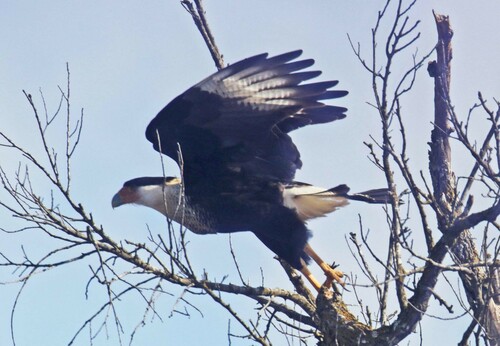 Crested Caracara
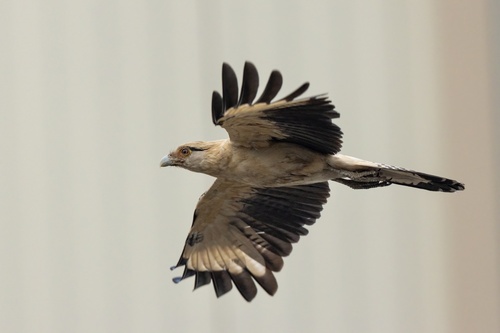 Yellow-headed Caracara
In breve
Il segno di campo più affidabile tra Crested Caracara e Yellow-headed Caracara è la dimensione e la struttura complessiva: Crested Caracara è molto più grande, più robusto e più imponente, mentre Yellow-headed Caracara è visibilmente più piccolo e snello. In volo, entrambi mostrano macchie chiare alla base delle primarie, ma la 'finestra' dell'ala del Crested Caracara è più grande e più evidente. L'adulto Crested Caracara ha un cappello scuro e un collo e un petto chiari in contrasto, mentre il Yellow-headed Caracara mostra una testa e parti inferiori chiare con una sottile striscia scura attorno all'occhio. I giovani di entrambi sono più chiari e striati, ma le differenze di dimensione e di pattern della testa rimangono indizi forti. Se vedi un caracara camminare a terra, controlla prima il pattern della testa e la robustezza.
Consigli di identificazione
- La dimensione è il separatore più veloce: Crested Caracara è molto più grande e robusto rispetto a Yellow-headed Caracara. Se l'uccello sembra delle dimensioni di un'aquila, è quasi certamente un Crested.
- Pattern della testa negli adulti: Crested Caracara mostra un cappello scuro solido in contrasto con un collo e un petto chiari; Yellow-headed Caracara ha una testa chiara color buff o crema con una sottile striscia scura attorno all'occhio, priva del cappello audace.
- 'Finestra' in volo: Entrambe le specie mostrano una macchia chiara alla base delle primarie in volo, ma è molto più estesa e evidente nel Crested Caracara di tutte le età.
- Colore della pelle facciale e delle gambe: Crested Caracara ha pelle facciale e cere scoperte che sono di un giallo profondo a rosso-arancio (può cambiare con l'umore), e gambe gialle. Yellow-headed Caracara ha pelle facciale di un giallo brillante e gambe verde pisello.
- Piumaggio giovanile: Il giovane Crested Caracara è più chiaro e striato rispetto agli adulti, con gambe grigie e pelle facciale chiara o rosata. Il giovane Yellow-headed Caracara è più marrone sopra e striato sotto, ma mostra ancora la testa chiara e la striscia attorno all'occhio.
- Pattern della coda: Crested Caracara ha una punta della coda scura con una base chiara, spesso con barrature; Yellow-headed Caracara ha una coda color buff con barre scure e una banda nera vicino alla fine.
- Dimensione e forma del becco: Crested Caracara ha un becco più pesante e potente, adatto alla sua dimensione maggiore; il becco del Yellow-headed Caracara è più snello e meno robusto.
- Comportamento sui cadaveri: Crested Caracara è dominante e aggressivo sui cadaveri, spesso scacciando i avvoltoi; Yellow-headed Caracara è meno assertivo e più probabile che venga visto mentre raccoglie zecche o piccole prede.
- Postura in perching: Crested Caracara si siede dritto, apparendo spesso con gambe lunghe e un petto pesante; Yellow-headed Caracara è più snello e meno imponente.
- Sovrapposizione dell'habitat: Nelle aree in cui entrambe le specie si trovano, Crested Caracara è più probabile che si trovi in paesaggi aperti e asciutti; Yellow-headed Caracara è più adattabile a margini disturbati o urbani.
- Contesto sociale: Crested Caracara è solitamente solitario o in piccoli gruppi durante il cibo; Yellow-headed Caracara può unirsi a stormi misti o essere visto in coppie.
- Espressione facciale: Il colore della pelle facciale del Crested Caracara può cambiare con l'umore, a volte apparendo rosso; la pelle facciale del Yellow-headed Caracara rimane di un giallo brillante.
- Colore delle gambe: Giallo nelle gambe del Crested, verde pisello nel Yellow-headed (anche se questo può essere difficile da vedere a distanza).
- Abbondanza relativa: Nella parte centrale e settentrionale del Sud America, il Yellow-headed Caracara è più comune nelle aree disturbate; Crested Caracara è più localizzato.
- Quando hai dubbi: Se l'uccello sembra piccolo, con la testa chiara, e sta raccogliendo zecche sui mammiferi, è quasi sempre un Yellow-headed Caracara.
Taglia
Crested Caracara è drammaticamente più grande: 50–65 cm (20–26 in) di lunghezza con un'apertura alare di 120–132 cm (47–52 in) e un peso consistente (0.9–1.6 kg, con una media di oltre 1.3 kg) [wikipedia][avonet]. Yellow-headed Caracara è molto più piccolo: 40–45 cm (16–18 in) di lunghezza, apertura alare 74–95 cm (29–37 in), e pesa solo 277–364 g [wikipedia][avonet]. Sul campo, Crested Caracara appare simile a un'aquila e robusto, mentre Yellow-headed Caracara è più simile a un corvo snello per dimensioni e struttura.
Piumaggio
I giovani di entrambe le specie sono più chiari e striati rispetto agli adulti, ma il segno di campo principale legato all'età è la macchia chiara alla base delle primarie visibile in volo: entrambe le specie mostrano questo, ma è molto più grande e evidente nel Crested Caracara di tutte le età. L'adulto Crested Caracara ha un cappello marrone scuro molto evidente, ventre, cosce e punta della coda, con un petto, collo e schiena chiari e barrati; il viso e la cere sono scoperti e di un giallo profondo a rosso-arancio (cambiando con l'umore), e le gambe sono gialle. Il giovane Crested Caracara è più chiaro nel complesso, con striature sul petto, collo e schiena, gambe grigie, e pelle facciale chiara o rosata. Gli adulti di Yellow-headed Caracara hanno una testa, collo e parti inferiori di un giallo chiaro a crema, una sottile striscia scura attorno all'occhio, e schiena e ali di un marrone scuro. La loro coda è color buff con barre scure e una banda nera subterminale. Gli immaturi sono più marroni sopra e hanno striature marroni sotto. Il viso è circondato da pelle scoperta di un giallo brillante, e le gambe sono verde pisello. La differenza più consistente è il cappello scuro del Crested Caracara e la barratura più pesante rispetto alla testa chiara e alla sottile striscia attorno all'occhio del Yellow-headed Caracara.
Comportamento
Entrambe le specie sono spesso viste camminare a terra e sono alimentatori opportunistici, ma Crested Caracara è più dominante sui cadaveri, spesso scacciando avvoltoi e altri rapaci. Yellow-headed Caracara è più propenso a essere visto mentre raccoglie zecche dai mammiferi o cerca cibo nel pelo dei bradipi, ed è meno probabile che venga trattato come una minaccia da altri uccelli. Crested Caracara è tipicamente solitario o in piccoli gruppi presso le fonti di cibo, mentre Yellow-headed Caracara può essere visto in una varietà più ampia di contesti sociali, inclusi stormi misti di specie.
Habitat
Entrambe le specie sono diffuse in habitat aperti e semi-aperti in tutto il Neotropico. Crested Caracara si estende dal sud degli Stati Uniti attraverso la maggior parte dell'America Latina, preferendo paesaggi aperti, savane e terreni agricoli. Yellow-headed Caracara si trova dal Nicaragua all'Uruguay, spesso in habitat aperti simili ma anche in aree più urbane e disturbate. Nelle regioni di sovrapposizione, Crested Caracara tende a preferire aree più asciutte e aperte, mentre Yellow-headed Caracara è più adattabile a margini più umidi o boschivi.
Crested Caracara · Yellow-headed Caracara · I miei uccelli difficili