

Couch's Kingbird vs Dickcissel
Tyrannus couchii contro Spiza americana
Fai un quiz con Couch's Kingbird e Dickcissel
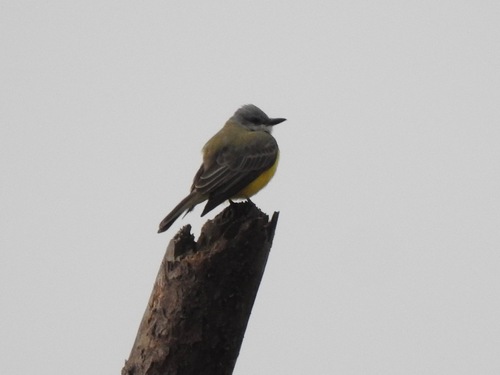 Couch's Kingbird
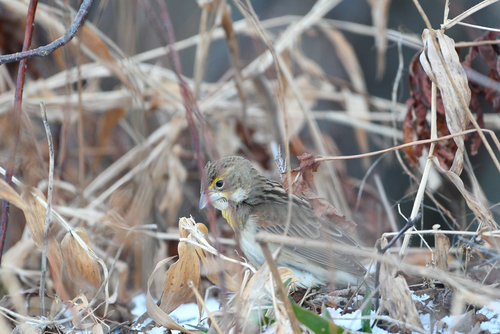 Dickcissel
In breve
Il segno di campo più affidabile per separare Couch's Kingbird da Dickcissel è la struttura complessiva: Couch's Kingbird è un catturatore di insetti con una testa grande, un becco grosso, una coda scura e leggermente forked e una parte inferiore gialla brillante, mentre Dickcissel è un mangiatore di semi più piccolo e tozzo con un becco spesso e chiaro, una macchia sulla spalla ruggine e (nei maschi adulti) una macchia nera audace sulla gola. I giovani Couch's Kingbirds possono mostrare ali con bordi chiari e parti inferiori più marroni, ma mai il dorso striato o la spalla ruggine di Dickcissel. In volo o a riposo, la dimensione più piccola di Dickcissel, la coda corta e l'aspetto simile a un passero sono immediatamente diversi da quelli del kingbird eretto e dalla coda lunga. L'habitat e la voce aiutano anche: i kingbirds si posano in boschi aperti e ai margini, mentre i Dickcissels preferiscono campi erbosi e praterie.
Consigli di identificazione
- Struttura e dimensione: Couch's Kingbird è molto più grande, con una testa e un becco grandi, e una coda lunga e leggermente forked. Dickcissel è più piccolo, tozzo e con coda corta, con un becco spesso e conico. Questo è spesso ovvio anche a distanza.
- Forma del becco: Il becco del kingbird è lungo, dritto e appuntito (tipo catturatore di insetti); quello di Dickcissel è spesso, corto e conico (tipo fringuello), adatto per i semi.
- Forma della coda: La coda del kingbird è scura, lunga e leggermente forked, priva di bordi bianchi. La coda di Dickcissel è corta, quadrata e semplice, senza fork.
- Schema della testa (adulti): Il kingbird mostra una testa grigia chiara con guance più scure e una gola chiara, in contrasto con il ventre giallo. I maschi di Dickcissel hanno una corona e guance grigie, una macchia nera audace sulla gola e un sopracciglio giallo; le femmine/i giovani hanno guance/corona marroni e mancano del nero.
- Colore delle parti inferiori: Il kingbird ha sempre un petto e un ventre giallo brillante (tutte le età), con una banda petto più scura. I maschi di Dickcissel hanno un petto giallo, ma il ventre è chiaro; le femmine/i giovani sono per lo più chiare sotto con qualche lavaggio giallo, mai così brillanti come il kingbird.
- Dorso e parti superiori: Il dorso del kingbird è grigio-oliva, liscio e senza segni. Il dorso di Dickcissel è marrone con striature nere, dando un aspetto simile a un passero.
- Macchia sulla spalla: Dickcissel mostra una macchia ruggine (castagna) sulla spalla (meno ovvia nelle femmine/i giovani), assente nel kingbird.
- Segni giovanili/immaturi: I giovani kingbirds hanno bordi delle ali più chiari e parti inferiori più marroni, ma non mostrano mai fianchi o dorso striati. I giovani Dickcissels sono striati sui fianchi e sul dorso, con testa marrone e senza gola nera.
- Aspetto in volo: Il kingbird in volo appare con coda lunga e galleggiante, spesso lanciandosi per gli insetti. Dickcissel ha la coda corta, con un volo rapido e rimbalzante tipico di passeri/buntings.
- Comportamento di posarsi: Il kingbird si posa eretto su rami o fili esposti; Dickcissel spesso si posa su steli d'erba o arbusti bassi, a volte in stormi.
- Habitat: Il kingbird si trova ai margini boschivi, vicino all'acqua, o in aree suburbane con alberi. Dickcissel si trova in praterie aperte, campi o praterie, raramente vicino a alberi densi.
- Voce: Il richiamo del kingbird è forte, rasposo e vario; il canto di Dickcissel è un "dick dick cissel" acuto e ronzante. Se senti il canto, l'identificazione è semplice.
- Trappole di sesso/stagione: Le femmine e i giovani Dickcissels mancano della gola nera e sono più opachi, ma mostrano comunque il dorso striato e la spalla ruggine. I sessi del kingbird sono simili tutto l'anno.
- Contesto: Un uccello che cattura insetti da un alto posatoio in un'area boschiva è probabilmente un kingbird; un uccello che canta da uno stelo d'erba in un campo è probabilmente un Dickcissel.
- Trappole comuni: I brillanti maschi di Dickcissel possono sembrare superficialmente con il petto giallo come i kingbirds, ma controlla sempre la gola nera, il dorso striato e la dimensione più piccola. I giovani kingbirds non sono mai striati o con spalle ruggine.
Taglia
Couch's Kingbird è sostanzialmente più grande e più pesante (39.0g vs. 26.85g [wikidata]), con un corpo più lungo e una testa più grande. La dimensione del kingbird è comparabile ad altri grandi catturatori di insetti, notevolmente più robusto e con coda più lunga rispetto a Dickcissel. Dickcissel è più vicino in dimensione a un grande passero o a un piccolo bunting, con una costruzione compatta e tozza e una coda più corta. Quando visti insieme, la dimensione e le proporzioni del kingbird sono immediatamente più robuste ed allungate.
Piumaggio
I giovani Couch's Kingbirds hanno parti inferiori più marroni e bordi chiari sulle piume delle ali, ma anche i giovani uccelli mostrano il classico schema del kingbird: testa grigia chiara con guance più scure, parti superiori grigio-olive e parte inferiore del petto e ventre giallo brillante. La coda è scura e leggermente forked, priva di bordi bianchi. Dickcissel, in tutti i piumaggi, mostra un dorso marrone striato, una macchia ruggine sulla spalla (meno ovvia nelle femmine/i giovani) e parti inferiori chiare. I maschi adulti di Dickcissel sono distintivi con una macchia nera sulla gola e un petto giallo, ma le femmine e i giovani mancano del nero e sono più sobrie, con guance/corona marroni e fianchi striati. Dickcissel non mostra mai il ventre giallo pulito del kingbird, le guance scure o l'aspetto con testa grande. In volo, le ali di Dickcissel sono scure con una spalla ruggine, e la coda è corta e quadrata, non forked.
Comportamento
Couch's Kingbird tipicamente si posa eretto su rami o fili esposti, cercando insetti da catturare in aree aperte o leggermente boschive. I suoi movimenti sono deliberati, con frequenti attacchi per catturare insetti e ritorni a un posatoio. Dickcissel è spesso visto posato su erbe o arbusti bassi in campi aperti, cantando o cercando semi. Il suo comportamento è più simile a quello di un passero: saltellando o camminando a terra, nutrendosi in stormi, e meno propenso a lanciarsi per insetti. I kingbirds raramente si uniscono a stormi misti, mentre i Dickcissels spesso lo fanno al di fuori della stagione riproduttiva.
Habitat
Couch's Kingbird preferisce habitat leggermente boschivi, margini forestali, corridoi ripariali e aree suburbane con alberi sparsi, specialmente vicino all'acqua. È raramente trovato in pura prateria. Dickcissel è un uccello classico di campagna aperta, nidificando in praterie, campi infestati e aree agricole con poca o nessuna copertura arborea. Se trovi l'uccello in un campo senza alberi, è molto più probabile che sia un Dickcissel; un kingbird in un tale ambiente sarebbe insolito.
Voce
Couch's Kingbird emette un richiamo forte, vario e rasposo, più complesso e variabile in tonalità rispetto al semplice canto ronzante di Dickcissel. Il canto di Dickcissel è un "dick dick" acuto seguito da un "cissel" o "chis chis chis" ronzante; il suo richiamo in volo è un ronzio basso ed elettrico. I richiami del kingbird sono più aspri e vari, mentre quelli di Dickcissel sono più meccanici e ripetitivi. La voce è un forte separatore se ascoltata bene.