

Costa Rican Pygmy-Owl vs Central American Pygmy-Owl
Glaucidium costaricanum contro Glaucidium griseiceps
Fai un quiz con Costa Rican Pygmy-Owl e Central American Pygmy-Owl
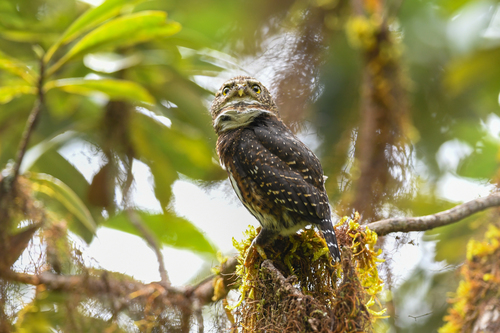 Costa Rican Pygmy-Owl
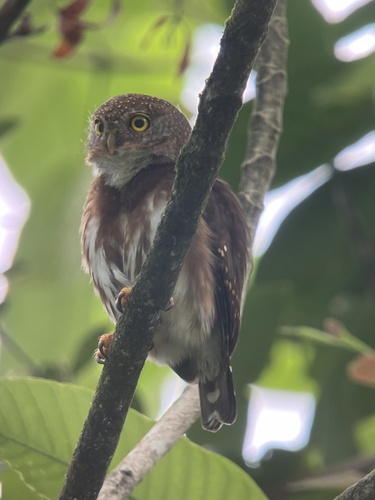 Central American Pygmy-Owl
In breve
Il segno di campo più affidabile tra il Costa Rican Pygmy-Owl e il Central American Pygmy-Owl è il modello delle parti inferiori: il Costa Rican mostra principalmente parti inferiori bianche con poche striature, mentre il Central American ha striature bold di color rosso-bruno sotto. Entrambe le specie hanno 'falsi occhi' sulla nuca, ma il Costa Rican è più variabile nel colore (morfologie brune o rufous), e il Central American è sempre grigio-bruno sopra. I giovani Central American Pygmy-Owls hanno una corona grigia unica e mancano di macchie sulla corona, a differenza del Costa Rican. Entrambi sono piccoli, tozzi gufi con code a bande, ma sottili differenze nel piumaggio e nell'areale sono fondamentali per una separazione sicura.
Consigli di identificazione
- Juvenile crown color: I giovani Central American Pygmy-Owls hanno una corona grigia, senza macchie e 'falsi occhi' sulla nuca, a differenza dei giovani Costa Rican, che non sono descritti come grigio-crowned o senza macchie. Usa questo per gli uccelli in piumaggio giovanile.
- Underpart streaking: Gli adulti Central American Pygmy-Owls mostrano striature bold di color rosso-bruno sulle parti inferiori bianche; i Costa Rican Pygmy-Owls hanno principalmente parti inferiori bianche con poche o nessuna striatura. Questo è un segno di campo chiave per gli uccelli posati di tutte le età tranne i giovani.
- Color morphs: Il Costa Rican Pygmy-Owl si presenta in morfologie brune e rufous, mentre il Central American è sempre grigio-bruno sopra. Un uccello rufous è Costa Rican.
- Crown spotting: Gli adulti Central American hanno macchie color buff fino a bianche sulla corona; gli adulti Costa Rican hanno macchie più chiare ma possono essere meno distinte, specialmente nelle morfologie rufous.
- Tail pattern: Entrambi hanno code a bande, ma la coda del Costa Rican ha quattro bande bianche e una punta bianca, mentre la coda del Central American è di un ricco marrone con barre chiare. La differenza è sottile e non sempre visibile sul campo.
- Facial disc: Il disco facciale del Costa Rican corrisponde al colore di base con segni stretti color buff e bianco; il disco facciale del Central American è meno distintamente marcato, ma questo è sottile.
- Bill color: Il Costa Rican ha un mascellare giallo-verde e una mandibola marrone chiaro con punta gialla; il colore del becco del Central American non è specificato ma probabilmente è meno contrastante.
- Nape 'false eyes': Entrambi hanno macchie scure sulla nuca bordate di chiaro, ma queste sono particolarmente fuligginose e contrastanti nei giovani Central American.
- Eye and foot color: Entrambi hanno occhi e piedi gialli, non un separatore.
- Range and elevation: In Costa Rica e Panama, un uccello di foresta montana è più probabile sia Costa Rican; in pianura o al di fuori di questi paesi, è più probabile il Central American.
- Vocalizations: Il canto del Central American inizia con alcuni hoot distanziati, poi una serie rapida; la voce del Costa Rican non è descritta qui, quindi usala con cautela.
- Behavior: Entrambi si comportano in modo simile, quindi non fare affidamento sullo stile di caccia o di posa.
- Size: Entrambi sono simili in dimensioni e peso; non usare la dimensione per l'identificazione.
- Sex and season: Non sono descritte differenze significative nel piumaggio sessuale o stagionale per nessuna delle due specie; usa l'età e il modello delle parti inferiori invece.
- When in doubt: Concentrati sulle striature delle parti inferiori (bold = Central American, semplice = Costa Rican) e sul colore della corona giovanile (grigio, senza macchie = Central American).
Taglia
Entrambe le specie sono molto simili in dimensioni, con il Costa Rican Pygmy-Owl che misura 14.5–17 cm e il Central American Pygmy-Owl 13–18 cm di lunghezza. I maschi di entrambe sono intorno ai 50–70 g, con le femmine Costa Rican che raggiungono fino a 99 g, leggermente più pesanti del Central American (circa 56 g). Sul campo, la dimensione da sola non è un separatore affidabile, poiché la sovrapposizione è sostanziale e entrambe appaiono piccole e compatte.
Piumaggio
I giovani Central American Pygmy-Owls hanno una corona grigia, senza macchie e 'falsi occhi' sulla nuca, facendoli distinguere dai giovani Costa Rican, che non sono descritti come aventi questa corona grigia, senza macchie. Gli adulti Costa Rican Pygmy-Owls si presentano in due morfologie: bruna e rufous, entrambe con macchie chiare sopra e una coda con quattro bande bianche e una punta bianca. Le loro parti inferiori sono principalmente bianche con poche o nessuna striatura, e i fianchi corrispondono alle parti superiori. Gli adulti Central American sono sempre grigio-bruno sopra, con macchie color buff fino a bianche sulla corona e striature bold di color rosso-bruno sulle parti inferiori bianche. La loro coda è di un ricco marrone con barre chiare. Entrambi hanno 'falsi occhi' sulla nuca, ma questi sono più contrastanti nei giovani del Central American. Il disco facciale del Costa Rican è del colore di base con segni stretti color buff e bianco, mentre il Central American è meno distintamente marcato. Il colore degli occhi e dei piedi è giallo in entrambi, ma il colore del becco differisce sottilmente: il Costa Rican ha un mascellare giallo-verde e una mandibola marrone chiaro con punta gialla.
Comportamento
Entrambe le specie si posano basse in folti vegetali e cacciano con brevi e veloci scatti, spesso tornando al posatoio se mancato. Entrambi sono attivi di giorno e di notte e possono muovere le loro code quando sono agitati. Le differenze comportamentali non sono affidabilmente diagnostiche sul campo.
Habitat
Il Costa Rican Pygmy-Owl è ristretto alla Costa Rica e a Panama, tipicamente in foreste montane. Il Central American Pygmy-Owl ha un areale molto più ampio, dal Messico attraverso l'America Centrale fino alla Colombia e all'Ecuador, ed è trovato in una varietà più ampia di habitat forestali, comprese le pianure. In Costa Rica e Panama, entrambi possono verificarsi, ma il Costa Rican è più probabile a elevazioni più alte. L'habitat da solo può essere un indizio, ma la sovrapposizione è possibile in alcune regioni.
Voce
Il Central American Pygmy-Owl emette un canto che inizia con 2–4 hoot equidistanti, si ferma, poi continua con una serie rapida di 6–18 note simili ('huu-huu, huu-huu-huu...'), a volte con trilli. Nessuna descrizione vocale dettagliata è fornita per il Costa Rican Pygmy-Owl qui, quindi la voce non è un separatore affidabile a meno che non sia noto il canto completo.
Costa Rican Pygmy-Owl · Central American Pygmy-Owl · I miei uccelli difficili