

Sterpazzola vs Regolo
Curruca communis contro Regulus regulus
Fai un quiz con Sterpazzola e Regolo
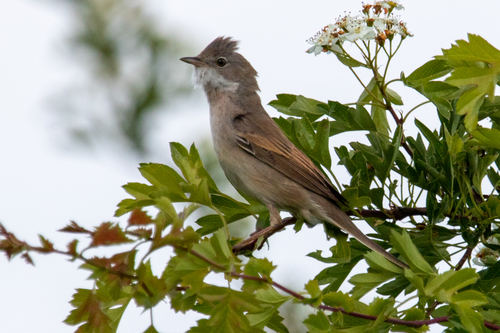 Sterpazzola
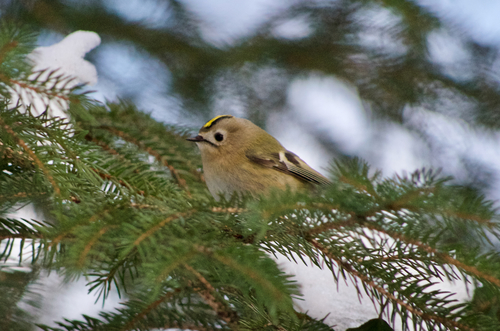 Regolo
In breve
Il segno distintivo più affidabile per separare la Sterpazzola dal Regolo è la presenza di una cresta audace e brillante di colore giallo (con centro arancione nei maschi) sulla testa del Regolo, che è completamente assente nella Sterpazzola di qualsiasi età o sesso. Inoltre, il Regolo è drammaticamente più piccolo e compatto, con un volto semplice e due barre alari bianche, mentre la Sterpazzola è più grande, con una coda più lunga e mostra una gola bianca con una testa grigia a contrasto nei maschi adulti. I Regoli giovani mancano della cresta colorata ma mostrano comunque un volto semplice e una struttura piccola e rotonda, a differenza di qualsiasi Sterpazzola. In volo o posati, queste differenze sono immediatamente evidenti con i binocoli.
Consigli di identificazione
- Colore della cresta (adulti): Il Regolo mostra sempre una cresta gialla brillante (con centro arancione nei maschi), bordata di nero sulla corona—mai presente nella Sterpazzola.
- Assenza di cresta (giovani): I giovani Regoli mancano della cresta colorata ma hanno comunque un volto semplice e due barre alari bianche; i giovani Sterpazzola non mostrano mai barre alari o una cresta.
- Barre alari: Il Regolo di tutte le età ha due barre alari bianche audaci; la Sterpazzola non mostra mai barre alari, ma può avere frange castanee sulle secondarie.
- Schema della testa: Il maschio adulto della Sterpazzola ha una testa grigia e una gola bianca, creando un forte contrasto; il Regolo ha un volto semplice di colore verde oliva con una corona colorata, privo di qualsiasi gola grigia o bianca.
- Schema del volto: Entrambe le specie hanno volti semplici, ma il Regolo è particolarmente privo di caratteristiche tranne che per la cresta; la Sterpazzola può mostrare una gola leggermente più chiara, specialmente nei maschi.
- Dimensioni: Il Regolo è molto più piccolo e rotondo, con una coda corta e un becco minuscolo; la Sterpazzola è più grande, con una coda più lunga e più snella.
- Becco: Il Regolo ha un becco molto corto, sottile e nero; il becco della Sterpazzola è più lungo e più tipico di un usignolo.
- Coda: La coda del Regolo è corta e quadrata; la coda della Sterpazzola è più lunga e spesso appare aperta o inclinata.
- Stile di volo: Il Regolo si muove in rapidi e veloci scatti con frequenti soste; la Sterpazzola vola in modo più diretto e si posa più eretta.
- Habitat: Il Regolo preferisce conifere e boschi misti; la Sterpazzola si trova in cespugli aperti, siepi e rovi.
- Vocalizzazioni: Il canto del Regolo è alto e sottile, mentre quello della Sterpazzola è graffiante e rimproverante. I richiami sono anche distinti: quelli del Regolo sono molto acuti, quelli della Sterpazzola sono rauchi e nasali.
- Differenze sessuali: Solo il maschio della Sterpazzola mostra una testa grigia; la femmina è più marrone ma manca comunque di qualsiasi cresta o barre alari.
- Confusione stagionale: In autunno, i giovani Regoli possono mancare della cresta ma mostrano comunque barre alari e dimensioni ridotte; i giovani Sterpazzola rimangono più grandi e mancano di barre alari.
- Trappole comuni: Visioni scarse possono oscurare la cresta del Regolo, ma la combinazione di dimensioni ridotte, barre alari e volto semplice è unica. La Sterpazzola non mostra mai barre alari o una corona colorata.
- Contesto: In una conifera, specialmente in alto nella chioma, aspettati il Regolo; in rovi o cespugli aperti, aspettati la Sterpazzola.
Taglia
Il Regolo è il più piccolo uccello europeo, pesando solo 4.5–7.0 g e misurando 8.5–9.5 cm di lunghezza, con un'apertura alare di 13.5–15.5 cm. Al contrario, la Sterpazzola è molto più grande e pesante (massa corporea ~14.5 g), con una coda visibilmente più lunga e un corpo più allungato. Anche a distanza o in scarsa illuminazione, la differenza di dimensioni è sorprendente: il Regolo appare minuscolo, quasi simile a un scricciolo, mentre la Sterpazzola è più vicina a un tipico usignolo nelle proporzioni.
Piumaggio
- Giovani: I giovani Regoli mancano della cresta colorata ma mantengono una parte superiore verde oliva semplice, una parte inferiore bianco crema e due barre alari bianche. Il loro volto rimane semplice e sono ancora molto piccoli e rotondi. I giovani Sterpazzola sono marroni sopra e bianco crema sotto, privi di barre alari o corona colorata, e hanno una coda più lunga e un aspetto più snello, simile a un usignolo.
- Adulti: Il maschio adulto della Sterpazzola ha una testa grigia e una gola bianca, con frange castanee sulle secondarie; le femmine sono più marroni e mancano della testa grigia, ma mostrano comunque una gola chiara. Gli adulti del Regolo di entrambi i sessi hanno una cresta gialla brillante (con arancione nei maschi), una corona bordata di nero, parti superiori verde oliva e due barre alari bianche. Il volto è semplice, privo di qualsiasi supercilium o striscia oculare, e il becco è molto fine e corto.
- Schema alare: Il Regolo mostra sempre due distinte barre alari bianche su ali altrimenti semplici, mentre la Sterpazzola manca di barre alari e può invece mostrare frange castanee sulle secondarie.
Comportamento
Il Regolo è estremamente attivo, spesso visto svolazzare rapidamente tra il fogliame, sostando e facendo voli rapidi e repentini con battiti d'ali fruscianti e cambi di direzione improvvisi. Si muove frequentemente lungo i rami e persino su e giù per i tronchi. La Sterpazzola è più deliberata, spesso vista cercare cibo in cespugli o rovi, facendo voli brevi e posandosi più eretta con una coda più lunga. In volo, la Sterpazzola appare più allungata e meno frenetica rispetto al inquieto Regolo.
Habitat
Il Regolo si trova tipicamente in boschi di conifere o misti, specialmente tra abeti e pini, ma può anche verificarsi in parchi e giardini con alberi adatti. La Sterpazzola preferisce il paese aperto, le siepi, i rovi e le aree cespugliose, avventurandosi raramente in boschi densi. Se vedi un piccolo uccello in una conifera, specialmente in alto, è molto più probabile che sia un Regolo; un uccello in rovi o cespugli aperti è più probabile che sia una Sterpazzola.
Voce
Il canto della Sterpazzola è un veloce e graffiante gorgheggio con un tono rimproverante, e il suo richiamo è un rauco e nasale wed-wed o woid-woid, con un grido di avvertimento ruvido (tschehr). Il canto del Regolo consiste in note alte, sottili e ripetute, più acute e molto meno graffianti rispetto a quello della Sterpazzola. I richiami del Regolo sono molto alti e sottili, spesso al limite superiore dell'udito umano, e mancano della qualità dura e rimproverante della Sterpazzola.