

Curruca Zarcera vs Reyezuelo Sencillo
Curruca communis frente a Regulus regulus
Juega un quiz con Curruca Zarcera y Reyezuelo Sencillo
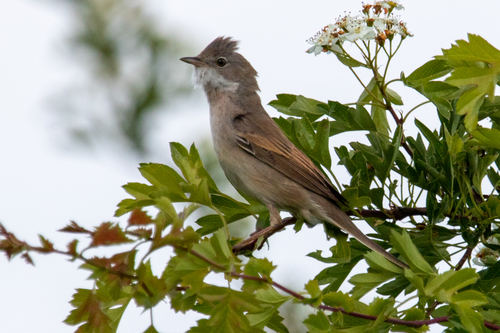 Curruca Zarcera
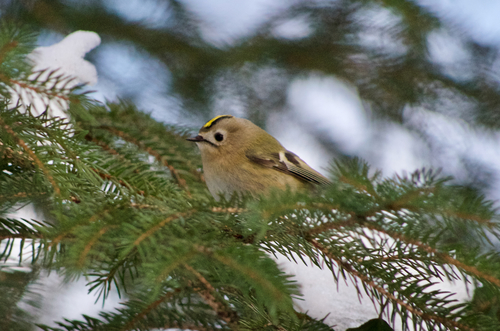 Reyezuelo Sencillo
En breve
La marca de campo más confiable para separar la Curruca Zarcera del Reyezuelo Sencillo es la presencia de una cresta audaz y brillante de color amarillo (con centro naranja en los machos) en la cabeza del Reyezuelo Sencillo, que está completamente ausente en la Curruca Zarcera de cualquier edad o sexo. Además, el Reyezuelo Sencillo es dramáticamente más pequeño y compacto, con una cara simple y dos bandas alares blancas, mientras que la Curruca Zarcera es más grande, con una cola más larga y muestra una garganta blanca con una cabeza gris contrastante en los machos adultos. Los Reyezuelo Sencillos juveniles carecen de la cresta coloreada pero aún muestran una cara simple y una estructura pequeña y redonda, a diferencia de cualquier Curruca Zarcera. En vuelo o posados, estas diferencias son inmediatamente evidentes con binoculares.
Consejos de identificación
- Color de la cresta (adultos): El Reyezuelo Sencillo siempre muestra una cresta de color amarillo brillante (con centro naranja en los machos), bordeada de negro en la corona—nunca presente en la Curruca Zarcera.
- Ausencia de cresta (juveniles): Los Reyezuelo Sencillos juveniles carecen de la cresta coloreada pero aún tienen una cara simple y dos bandas alares blancas; los juveniles de Curruca Zarcera nunca muestran bandas alares ni cresta.
- Bandas alares: El Reyezuelo Sencillo de todas las edades tiene dos bandas alares blancas audaces; la Curruca Zarcera nunca muestra bandas alares, pero puede tener bordes castaños en las secundarias.
- Patrón de la cabeza: El macho adulto de Curruca Zarcera tiene una cabeza gris y garganta blanca, creando un fuerte contraste; el Reyezuelo Sencillo tiene una cara verde oliva simple con una corona coloreada, careciendo de cualquier garganta gris o blanca.
- Patrón de la cara: Ambas especies tienen caras simples, pero el Reyezuelo Sencillo es especialmente sin características excepto por la cresta; la Curruca Zarcera puede mostrar una garganta ligeramente más pálida, especialmente en machos.
- Tamaño: El Reyezuelo Sencillo es mucho más pequeño y redondeado, con una cola corta y un pico diminuto; la Curruca Zarcera es más grande, con una cola más larga y más esbelta.
- Pico: El Reyezuelo Sencillo tiene un pico muy corto, delgado y negro; el pico de la Curruca Zarcera es más largo y más típico de un curruca.
- Cola: La cola del Reyezuelo Sencillo es corta y cuadrada; la cola de la Curruca Zarcera es más larga y a menudo parece abanico o levantada.
- Estilo de vuelo: El Reyezuelo Sencillo se mueve en ráfagas rápidas y aleteantes con frecuentes flotaciones; la Curruca Zarcera vuela de manera más directa y se posa de manera más erguida.
- Hábitat: El Reyezuelo Sencillo prefiere coníferas y bosques mixtos; la Curruca Zarcera se encuentra en matorrales abiertos, setos y zarzas.
- Vocalizaciones: La canción del Reyezuelo Sencillo es alta y delgada, mientras que la de la Curruca Zarcera es rasposa y regañona. Los llamados también son distintos: los del Reyezuelo Sencillo son muy agudos, los de la Curruca Zarcera son roncos y nasales.
- Diferencias sexuales: Solo el macho de Curruca Zarcera muestra una cabeza gris; la hembra es más marrón pero aún carece de cualquier cresta o bandas alares.
- Confusión estacional: En otoño, los Reyezuelo Sencillos juveniles pueden carecer de la cresta pero aún muestran bandas alares y un tamaño diminuto; los juveniles de Curruca Zarcera siguen siendo más grandes y carecen de bandas alares.
- Trampas comunes: Las malas vistas pueden oscurecer la cresta en el Reyezuelo Sencillo, pero la combinación de tamaño diminuto, bandas alares y cara simple es única. La Curruca Zarcera nunca muestra bandas alares ni una corona coloreada.
- Contexto: En un conífero, especialmente alto en el dosel, espera ver un Reyezuelo Sencillo; en zarzas o matorrales abiertos, espera ver una Curruca Zarcera.
Tamaño
El Reyezuelo Sencillo es el ave europea más pequeña, pesando solo 4.5–7.0 g y midiendo 8.5–9.5 cm de longitud, con una envergadura de 13.5–15.5 cm. En contraste, la Curruca Zarcera es mucho más grande y pesada (masa corporal ~14.5 g), con una cola notablemente más larga y un cuerpo más alargado. Incluso a distancia o en mala luz, la diferencia de tamaño es sorprendente: el Reyezuelo Sencillo parece diminuto, casi como un reyezuelo, mientras que la Curruca Zarcera se asemeja más a un curruca típico en proporciones.
Plumaje
- Juveniles: Los Reyezuelo Sencillos juveniles carecen de la cresta coloreada pero retienen una parte superior verde oliva simple, partes inferiores blanco crema, y dos bandas alares blancas. Su cara permanece simple, y siguen siendo muy pequeños y con cuerpo redondo. Los juveniles de Curruca Zarcera son marrones por encima y crema por debajo, careciendo de cualquier banda alar o corona coloreada, y tienen una cola más larga y una apariencia más esbelta, similar a un curruca.
- Adultos: El macho adulto de Curruca Zarcera tiene una cabeza gris y garganta blanca, con bordes castaños en las secundarias; las hembras son más marrones y carecen de la cabeza gris, pero aún muestran una garganta pálida. Los adultos de Reyezuelo Sencillo de ambos sexos tienen una cresta amarilla brillante (con naranja en los machos), corona bordeada de negro, partes superiores verde oliva, y dos bandas alares blancas. La cara es simple, careciendo de cualquier supercilio o franja ocular, y el pico es muy fino y corto.
- Patrón de alas: El Reyezuelo Sencillo siempre muestra dos bandas alares blancas distintas en alas de otro modo simples, mientras que la Curruca Zarcera carece de bandas alares y en su lugar puede mostrar bordes castaños en las secundarias.
Comportamiento
El Reyezuelo Sencillo es extremadamente activo, a menudo visto revoloteando rápidamente entre el follaje, flotando y realizando vuelos rápidos y repentinos con aleteos zumbantes y cambios de dirección súbitos. Frecuentemente se desliza por las ramas e incluso sube y baja por los troncos. La Curruca Zarcera es más deliberada, a menudo vista forrajeando en arbustos o zarzas, realizando vuelos cortos y posándose de manera más erguida con una cola más larga. En vuelo, la Curruca Zarcera parece más alargada y menos frenética que el inquieto Reyezuelo Sencillo.
Hábitat
El Reyezuelo Sencillo se encuentra típicamente en bosques de coníferas o mixtos, especialmente entre abetos y píceas, pero también puede ocurrir en parques y jardines con árboles adecuados. La Curruca Zarcera prefiere campos abiertos, setos, parches de zarzas y áreas matorral, raramente aventurándose en bosques densos. Si ves un ave pequeña en un conífero, especialmente alta, es mucho más probable que sea un Reyezuelo Sencillo; un ave en zarzas o matorrales abiertos es más probable que sea una Curruca Zarcera.
Voz
La canción de la Curruca Zarcera es un trino rápido y rasposo con un tono regañón, y su llamado es un wed-wed o woid-woid nasal y ronco, con un grito de advertencia áspero (tschehr). La canción del Reyezuelo Sencillo consiste en notas altas, delgadas y repetidas, más agudas y mucho menos rasposas que la de la Curruca Zarcera. Los llamados del Reyezuelo Sencillo son muy altos y delgados, a menudo en el límite superior de la audición humana, y carecen de la calidad áspera y regañona de la Curruca Zarcera.