
Sterna comune vs Beccapesci
Sterna hirundo contro Thalasseus sandvicensis
Fai un quiz con Sterna comune e Beccapesci
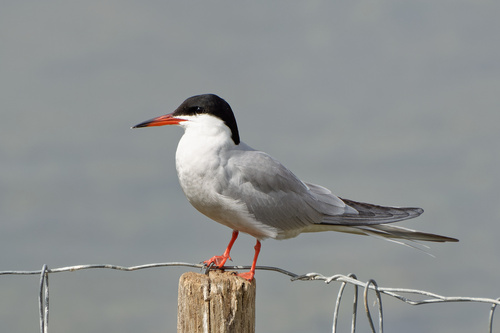 Sterna comune
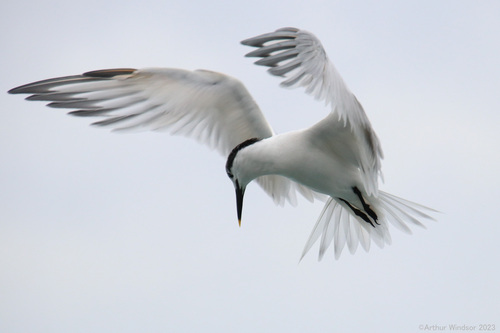 Beccapesci
In breve
Il segno di campo più affidabile per separare Sterna comune da Beccapesci è il becco: Sterna comune ha un becco snello arancio-rosso con una punta nera (adulti, tranne alcune sottospecie), mentre Beccapesci mostra un becco nero più lungo e robusto con una punta gialla distintiva (adulti) o completamente scuro nei giovani. In volo, Beccapesci appare visibilmente più chiaro e più grande, con una cresta più lunga e disordinata e uno stile di volo più galleggiante e languido, mentre Sterna comune è più compatta con un volo più rapido e diretto. Gli uccelli giovani e immaturi sono meglio separati dal colore del becco e dal motivo squamoso sulla schiena e sulle ali dei giovani Beccapesci. Entrambe le specie possono essere trovate insieme sulle coste, ma Beccapesci è generalmente più marino e meno probabile che si trovi nell'entroterra. La voce è anche un buon separatore: Beccapesci emette un forte e graffiante 'kear-ik', mentre Sterna comune ha un richiamo più acuto e penetrante.
Consigli di identificazione
- Colore e forma del becco (adulti): Sterna comune ha un becco snello arancio-rosso con una punta nera (eccetto in alcune sottospecie con becco nero), mentre Beccapesci ha un becco nero lungo e robusto con una punta gialla. Questo è il segno più affidabile negli adulti.
- Colore del becco (giovani): Il giovane Beccapesci ha un becco spesso completamente scuro (a volte giallastro alla base), mentre il giovane Sterna comune ha un becco più snello e scuro senza giallo o una base spessa.
- Dimensione e struttura: Beccapesci è più grande, con un collo più lungo e più pesante, con un aspetto più robusto. Sterna comune è più piccola, più compatta e ha zampe e becco più corti.
- Cresta: Beccapesci mostra una lunga cresta nera e disordinata, specialmente in abito nuziale, mentre Sterna comune ha un cappello nero ordinato e piatto senza cresta.
- Motivo delle ali superiori (adulti): Le ali superiori del Beccapesci sono di un grigio molto chiaro con ampi margini bianchi sulle primarie interne (che si usurano a una 'punta a gancio' in tarda estate). Sterna comune mostra un cuneo più scuro sulle primarie man mano che la stagione riproduttiva avanza.
- Parte superiore dei giovani/immaturi: Il giovane Beccapesci ha un motivo squamoso sulla schiena e sulle ali, assente in Sterna comune. Questo è un segno chiave per i giovani uccelli.
- Coda: Entrambi hanno code forked, ma quella del Beccapesci è meno profondamente forked e ha punte scure nei giovani, mentre la coda di Sterna comune è più lunga e più appuntita negli adulti.
- Colore delle zampe: Sterna comune ha zampe rosse brillanti (adulti), mentre le zampe del Beccapesci sono nere e più corte.
- Stile di volo: Beccapesci vola con battiti d'ala lenti e galleggianti e lunghe planate, apparendo spesso languido. Sterna comune ha battiti d'ala più rapidi, diretti e rigidi.
- Piumaggio nella stagione non riproduttiva: Beccapesci sviluppa una fronte molto bianca dopo la muta post-riproduttiva, più estesa rispetto a Sterna comune.
- Voce: Beccapesci emette un forte e graffiante 'kear-ik' o 'kerr ink'; il richiamo di Sterna comune è più acuto e penetrante.
- Habitat: Beccapesci è quasi sempre costiero o marino, raramente nell'entroterra. Sterna comune può essere trovata in laghi e fiumi interni così come sulle coste.
- Aspetto in perching: Beccapesci sta in piedi più alto, con un collo più lungo e una cresta più disordinata; Sterna comune è più compatta e snella.
- Usura delle primarie (tarda estate): La frangia bianca del Beccapesci sulle primarie si usura a una 'punta a gancio', un segno sottile ma utile in tarda estate.
- Trappole: Fai attenzione agli uccelli distanti: dimensione e colore del becco possono essere difficili da giudicare. In stormi misti, controlla sempre prima il colore del becco e la forma della cresta, poi cerca dimensione e stile di volo.
Taglia
Beccapesci è nettamente più grande: 36–41 cm di lunghezza con un'apertura alare di 95–105 cm e un peso di 200–300 g ([wikipedia]). Sterna comune è più piccola e più leggera, con un becco e zampe più corti, e una struttura complessiva meno robusta ([wikipedia], [avonet]). La differenza di dimensione è solitamente ovvia quando viste fianco a fianco, ma può essere difficile a distanza o con uccelli solitari.
Piumaggio
- Giovane/Primo inverno: I giovani Beccapesci hanno un motivo squamoso sulla schiena e sulle ali, punte scure alla coda e un becco completamente scuro (a volte giallastro alla base). I giovani Sterna comune mancano di questo motivo squamoso e hanno un'ala superiore più attenuata, con meno contrasto e un dorso più chiaro. Il becco nei giovani Sterna comune è scuro ma non così spesso o lungo come quello del Beccapesci.
- Adulto in riproduzione: Gli adulti di Sterna comune hanno un cappello nero, parti superiori grigie chiare, parti inferiori bianche e un becco snello arancio-rosso con una punta nera. Gli adulti di Beccapesci hanno una cresta nera e disordinata, ali superiori grigie molto chiare, parti inferiori bianche e un lungo becco nero con una punta gialla.
- Adulto non in riproduzione: Entrambe le specie sviluppano bianco sulla fronte, ma la fronte del Beccapesci diventa ampiamente bianca dopo la muta post-riproduttiva, mentre il cappello di Sterna comune si ritira meno drammaticamente. Beccapesci rimane complessivamente più chiaro, con una cresta più lunga e prominente e un becco più robusto.
- Volo: Beccapesci appare molto chiaro in volo, con ampi margini bianchi sulla rete interna delle primarie (che si usurano a una 'punta a gancio' in tarda estate), mentre Sterna comune ha più contrasto sull'ala, specialmente un cuneo scuro sulle primarie man mano che la stagione avanza.
Comportamento
Beccapesci è più marino, spesso visto a nutrirsi più al largo e raramente avventurandosi nell'entroterra. Il suo volo è galleggiante e grazioso, con lunghe planate e battiti d'ala languidi. Sterna comune è più versatile, frequentemente trovata in laghi e fiumi interni così come sulle coste, e ha un volo più rapido e diretto con battiti d'ala più rigidi. Quando è in perching, Beccapesci spesso sta più alto e appare con un collo più lungo, con una cresta più disordinata, mentre Sterna comune è più compatta e snella.
Habitat
Sterna comune nidifica e si nutre in una gamma più ampia di habitat, inclusi laghi interni, fiumi e aree costiere in regioni temperate e subartiche. Beccapesci è più strettamente costiero, nidificando in colonie su spiagge sabbiose o ghiaiose e nutrendosi principalmente in mare. Può verificarsi sovrapposizione in siti costieri, ma Beccapesci è molto meno probabile che si trovi nell'entroterra.
Voce
Beccapesci ha un richiamo distintivo, forte e graffiante descritto come 'kear-ik' o 'kerr ink', che è molto diverso dal richiamo più acuto e penetrante 'kree-ar' o 'krrr' di Sterna comune. Se senti un richiamo aspro e graffiante tra le sterne, è probabile che sia Beccapesci; il richiamo di Sterna comune è più sottile e più brusco.