
Charrán Común vs Charrán Patinegro
Sterna hirundo frente a Thalasseus sandvicensis
Juega un quiz con Charrán Común y Charrán Patinegro
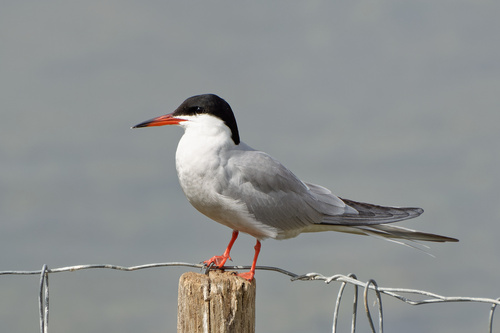 Charrán Común
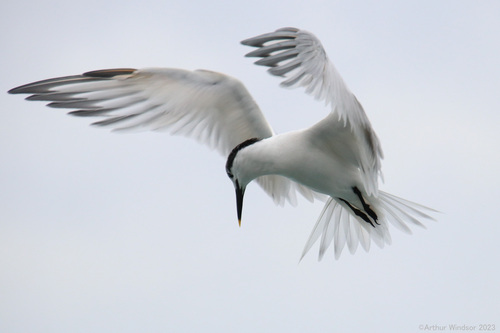 Charrán Patinegro
En breve
La marca de campo más confiable para separar el Charrán Común del Charrán Patinegro es el pico: el Charrán Común tiene un pico delgado de color naranja-rojo con una punta negra (adultos, excepto algunas subespecies), mientras que el Charrán Patinegro muestra un pico negro más largo y robusto con una punta amarilla distintiva (adultos) o completamente oscuro en juveniles. En vuelo, el Charrán Patinegro parece notablemente más pálido y grande, con una cresta más larga y desaliñada y un estilo de vuelo más ligero y lánguido, mientras que el Charrán Común es más compacto con un vuelo más rápido y directo. Las aves juveniles e inmaduras se separan mejor por el color del pico y el patrón escamoso en la espalda y alas de los jóvenes Charranes Patinegros. Ambas especies se pueden encontrar juntas en las costas, pero el Charrán Patinegro es generalmente más marino y menos probable que se encuentre en el interior. La voz también es un buen separador: el Charrán Patinegro emite un fuerte y chirriante 'kear-ik', mientras que el Charrán Común tiene un llamado más agudo y penetrante.
Consejos de identificación
- Color y forma del pico (adultos): El Charrán Común tiene un pico delgado de color naranja-rojo con una punta negra (excepto en algunas subespecies con pico negro), mientras que el Charrán Patinegro tiene un pico negro más largo y robusto con una punta amarilla. Esta es la marca más confiable en adultos.
- Color del pico (juveniles): El Charrán Patinegro juvenil tiene un pico grueso completamente oscuro (a veces amarillento en la base), mientras que el Charrán Común juvenil tiene un pico delgado y oscuro sin amarillo o una base gruesa.
- Tamaño y estructura: El Charrán Patinegro es más grande, con cuello más largo y más pesado, con una apariencia más robusta. El Charrán Común es más pequeño, más compacto y tiene patas y pico más cortos.
- Cresta: El Charrán Patinegro muestra una larga cresta negra desaliñada, especialmente en plumaje de cría, mientras que el Charrán Común tiene una gorra negra plana y ordenada sin cresta.
- Patrón de las alas superiores (adultos): Las alas superiores del Charrán Patinegro son de un gris muy pálido con amplios márgenes blancos en las primarias internas (desgastándose a una 'punta de gancho' a finales del verano). El Charrán Común muestra una cuña más oscura en las primarias a medida que avanza la temporada de cría.
- Partes superiores juveniles/inmaduros: El Charrán Patinegro juvenil tiene un patrón escamoso en la espalda y alas, que falta en el Charrán Común. Esta es una marca clave para las aves jóvenes.
- Cola: Ambos tienen colas bifurcadas, pero la del Charrán Patinegro está menos profundamente bifurcada y tiene puntas oscuras en juveniles, mientras que la cola del Charrán Común es más larga y más puntiaguda en adultos.
- Color de las patas: El Charrán Común tiene patas de color rojo brillante (adultos), mientras que las patas del Charrán Patinegro son negras y más cortas.
- Estilo de vuelo: El Charrán Patinegro vuela con aleteos lentos y ligeros y largos deslizamientos, a menudo apareciendo lánguido. El Charrán Común tiene aleteos más rápidos, directos y más rígidos.
- Plumaje en la temporada no reproductiva: El Charrán Patinegro desarrolla una frente muy blanca después de la muda post-reproductiva, más extensa que en el Charrán Común.
- Voz: El Charrán Patinegro emite un fuerte y chirriante 'kear-ik' o 'kerr ink'; el llamado del Charrán Común es más agudo y penetrante.
- Hábitat: El Charrán Patinegro es casi siempre costero o marino, raramente en el interior. El Charrán Común se puede encontrar en lagos y ríos interiores así como en costas.
- Postura en reposo: El Charrán Patinegro se mantiene más erguido, con un cuello más largo y una cresta más desaliñada; el Charrán Común es más compacto y elegante.
- Desgaste de las primarias (finales del verano): El borde blanco de las primarias del Charrán Patinegro se desgasta a una 'punta de gancho', una marca sutil pero útil a finales del verano.
- Trampas: Cuidado con las aves distantes: el tamaño y el color del pico pueden ser difíciles de juzgar. En bandadas mixtas, siempre verifica primero el color del pico y la forma de la cresta, luego busca el tamaño y el estilo de vuelo.
Tamaño
El Charrán Patinegro es claramente más grande: 36–41 cm de longitud con una envergadura de 95–105 cm y un peso de 200–300 g ([wikipedia]). El Charrán Común es más pequeño y más ligero, con un pico y patas más cortos, y una estructura general menos robusta ([wikipedia], [avonet]). La diferencia de tamaño es generalmente obvia cuando se ven uno al lado del otro, pero puede ser complicada a distancia o con aves solitarias.
Plumaje
- Juvenil/Primer invierno: Los Charranes Patinegros juveniles tienen un patrón escamoso en la espalda y alas, puntas oscuras en la cola y un pico completamente oscuro (a veces amarillento en la base). Los Charranes Comunes juveniles carecen de este patrón escamoso y tienen un ala superior más apagada, con menos contraste y un rabadilla más pálida. El pico en los jóvenes Charranes Comunes es oscuro pero no tan grueso o largo como el del Charrán Patinegro.
- Adulto en cría: Los adultos del Charrán Común tienen una gorra negra, partes superiores de color gris pálido, partes inferiores blancas y un pico delgado de color naranja-rojo con una punta negra. Los adultos del Charrán Patinegro tienen una cresta negra desaliñada, alas superiores de un gris muy pálido, partes inferiores blancas y un pico negro largo con una punta amarilla.
- Adulto no en cría: Ambas especies desarrollan blanco en la frente, pero la frente del Charrán Patinegro se vuelve extensamente blanca después de la muda post-reproductiva, mientras que la gorra del Charrán Común retrocede menos dramáticamente. El Charrán Patinegro permanece más pálido en general, con una cresta más larga y prominente y un pico más robusto.
- Vuelo: El Charrán Patinegro se ve muy pálido en vuelo, con amplios márgenes blancos en la red interna de las primarias (desgastándose a una 'punta de gancho' a finales del verano), mientras que el Charrán Común tiene más contraste en el ala, especialmente una cuña oscura en las primarias a medida que avanza la temporada.
Comportamiento
El Charrán Patinegro es más marino, a menudo visto alimentándose más lejos de la costa y raramente aventurándose en el interior. Su vuelo es ligero y elegante, con largos deslizamientos y aleteos lánguidos. El Charrán Común es más versátil, frecuentemente encontrado en lagos y ríos interiores así como en costas, y tiene un vuelo más rápido y directo con aleteos más rígidos. Cuando está posado, el Charrán Patinegro a menudo se mantiene más erguido y parece tener el cuello más largo, con una cresta más desaliñada, mientras que el Charrán Común es más compacto y elegante.
Hábitat
El Charrán Común cría y forrajea en una gama más amplia de hábitats, incluyendo lagos interiores, ríos y áreas costeras en regiones templadas y subárticas. El Charrán Patinegro es más estrictamente costero, criando en colonias en playas de arena o grava y alimentándose principalmente en el mar. Puede haber superposición en sitios costeros, pero el Charrán Patinegro es mucho menos probable que se encuentre en el interior.
Voz
El Charrán Patinegro tiene un llamado distintivo, fuerte y chirriante descrito como 'kear-ik' o 'kerr ink', que es muy diferente del más agudo y penetrante 'kree-ar' o 'krrr' del Charrán Común. Si escuchas un llamado áspero y chirriante entre los charranes, es probable que sea el Charrán Patinegro; el llamado del Charrán Común es más delgado y abrupto.