
Common Tailorbird vs Ashy Tailorbird
Orthotomus sutorius contro Orthotomus ruficeps
Fai un quiz con Common Tailorbird e Ashy Tailorbird
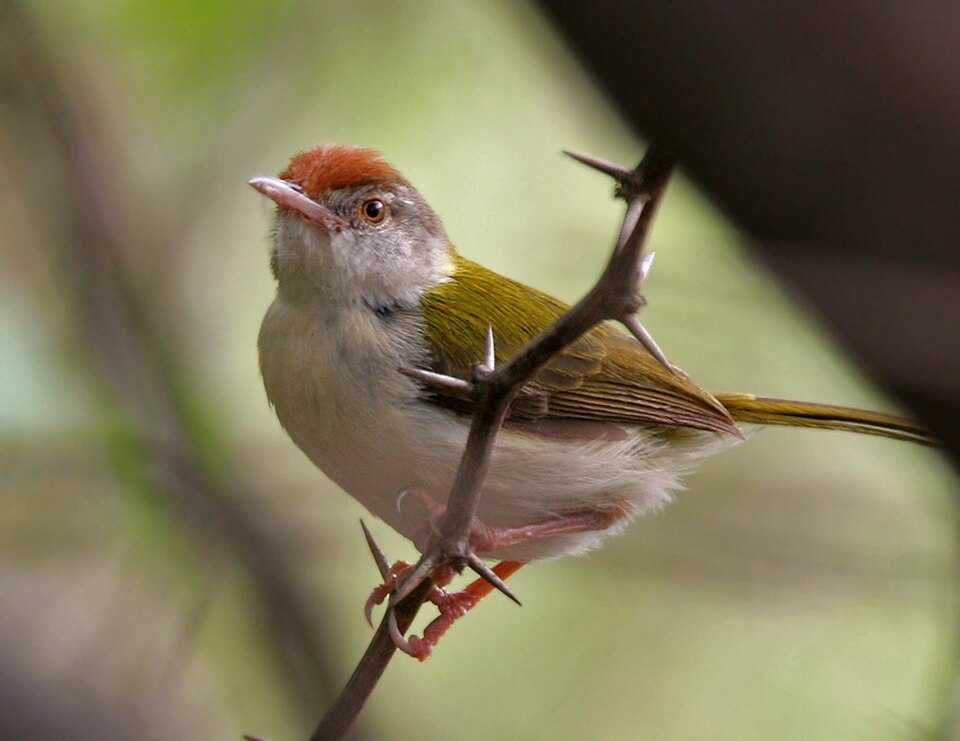 Common Tailorbird
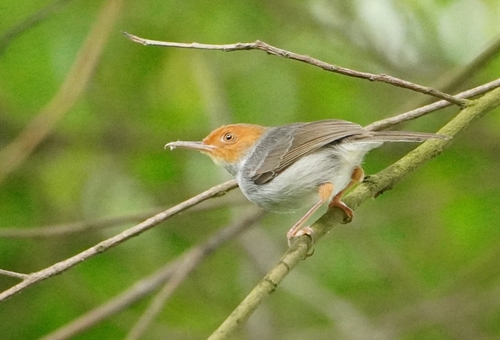 Ashy Tailorbird
In breve
Il segno di campo più affidabile per separare il Common Tailorbird dall'Ashy Tailorbird è il colore e il motivo della testa e delle parti superiori: il Common Tailorbird mostra una brillante corona ruggine con parti superiori verde oliva e parti inferiori crema, mentre i maschi dell'Ashy Tailorbird hanno un volto e una corona anteriore ruggine-castagna ma un dorso grigio-ash e una coda grigia più chiara, con la femmina che è ancora più chiara e priva di ruggine sulla gola. I giovani di entrambe le specie sono più opachi, ma i giovani dell'Ashy Tailorbird non presentano alcun rosso sulla testa e hanno parti superiori verde oliva, rendendoli potenzialmente confondibili con gli immaturi del Common Tailorbird. Strutturalmente, entrambi sono piccoli, attivi, warblers dalla lunga coda, ma il Common Tailorbird tende a sembrare più luminoso e verde in generale, specialmente nei giardini urbani, mentre l'Ashy Tailorbird è più grigio-ash e tipicamente si trova in ambienti di margine forestale o piantagione. Le vocalizzazioni non sono descritte in dettaglio per l'Ashy Tailorbird, ma il Common Tailorbird è noto per i suoi forti e ripetuti richiami che fanno
Consigli di identificazione
- Colore della testa e del volto (maschi adulti): Il Common Tailorbird mostra una brillante corona ruggine (non il volto), mentre il maschio dell'Ashy Tailorbird ha ruggine-castagna che si estende sul volto, sul mento e sulla corona anteriore. Se il ruggine è solo sulla corona, è Common; se copre il volto e il mento, è Ashy.
- Dorso e parti superiori: Il Common Tailorbird è verde oliva sopra, mentre l'Ashy Tailorbird è grigio-ash (maschio) o grigio più chiaro (femmina). Un dorso verdastro indica Common; grigiastro indica Ashy.
- Parti inferiori: Il Common Tailorbird ha parti inferiori bianche crema; l'Ashy Tailorbird sfuma da grigio-ash sulla gola a quasi bianco sul ventre (maschio) o ha un lavaggio grigio chiaro (femmina).
- Colore della coda: Il Common Tailorbird ha una coda verdastra; la coda dell'Ashy Tailorbird è grigia più chiara.
- Confusione giovanile: Il giovane Ashy Tailorbird non presenta alcun ruggine sulla testa e ha parti superiori verde oliva, potenzialmente somigliando a un Common Tailorbird opaco. Cerca l'assenza di qualsiasi corona ruggine e le parti superiori più uniformi in un giovane Ashy.
- Differenze sessuali (Ashy): La femmina dell'Ashy Tailorbird manca di ruggine sul mento/sulla gola ed è complessivamente più chiara. I sessi del Common Tailorbird sono quasi identici tranne per le piume centrali della coda leggermente più lunghe nei maschi in riproduzione (non affidabile sul campo).
- Colore del becco: L'Ashy Tailorbird ha un mandibile superiore marrone corteccia e un mandibile inferiore color corno, con un becco lungo e leggermente ricurvo. Il becco del Common Tailorbird è affilato con una punta ricurva, ma il colore non è descritto come distintivo.
- Forma e comportamento della coda: Entrambe le specie hanno code lunghe, spesso sollevate, ma il Common Tailorbird è particolarmente simile a un scricciolo nella postura e nel movimento della coda.
- Contesto dell'habitat: Nei giardini urbani densi, è più probabile trovare il Common Tailorbird. Nel margine forestale, nella crescita secondaria o nelle piantagioni, specialmente nel sud-est asiatico, sospetta l'Ashy Tailorbird.
- Vocalizzazione: Se senti un forte, ripetuto che fa "cheeup-cheeup-cheeup", è probabile che sia un Common Tailorbird. L'assenza di questo richiamo non conferma l'Ashy.
- Luminosità del piumaggio: Il Common Tailorbird è generalmente più luminoso e verde; l'Ashy Tailorbird è più opaco, grigio e più sobrio, specialmente nelle femmine e nei giovani.
- Sovrapposizione dell'areale: Nelle aree in cui entrambe le specie si trovano, usa il colore della testa e del dorso come segni di campo principali.
- Posizione del nido (se osservato): Entrambi cuciono foglie, ma l'Ashy Tailorbird tipicamente nidifica in basso (sotto 1 m sopra il suolo), mentre la posizione del nido del Common Tailorbird è più variabile.
- Segni stagionali: Solo i maschi in riproduzione del Common Tailorbird mostrano piume centrali della coda allungate, ma questo è sottile e non sempre visibile.
- Variazione delle sottospecie (Ashy): Alcune sottospecie dell'Ashy Tailorbird variano nella ruggine della testa e nella tonalità di grigio sul dorso, quindi controlla sempre più segni di campo.
Taglia
Entrambe le specie sono warblers molto piccoli con massa simile (Common Tailorbird ~7.5g, Ashy Tailorbird ~7.0g [wikidata]). La lunghezza è leggermente variabile nel Common Tailorbird (10–14 cm), mentre l'Ashy Tailorbird è elencato come 7 cm, ma questo potrebbe essere una sottovalutazione o una differenza nelle convenzioni di misurazione. Sul campo, la dimensione non è un separatore affidabile; entrambi sono uccelli minuscoli e attivi con lunghe code.
Piumaggio
-
Uccelli giovani/immaturi: Entrambe le specie sono più opache degli adulti. Il giovane Ashy Tailorbird non presenta alcun rosso sulla testa e ha parti superiori verde oliva, il che può farlo somigliare a un Common Tailorbird opaco, ma nota che i giovani dell'Ashy Tailorbird non mostreranno la corona ruggine o le parti inferiori crema brillanti del Common Tailorbird.
-
Maschi adulti: Il Common Tailorbird ha una brillante corona ruggine (non si estende al volto), parti superiori verde oliva e parti inferiori bianche crema. Il maschio dell'Ashy Tailorbird ha un volto, un mento e una corona anteriore ruggine-castagna, ma il resto della testa e del dorso è grigio-ash, con il grigio che sfuma a bianco sul ventre. La coda è grigia più chiara (non verde oliva).
-
Femmine adulte: Le femmine dell'Ashy Tailorbird sono complessivamente più chiare, con un mento e una gola bianchi, un lavaggio grigio chiaro sul petto e parti superiori più chiare. Le femmine del Common Tailorbird assomigliano ai maschi tranne per l'assenza di piume centrali della coda allungate nella stagione di riproduzione (che è un segno sottile e poco affidabile).
-
Contrasto chiave: Il Common Tailorbird è sempre con dorso verde e corona ruggine, mentre l'Ashy Tailorbird è grigio-ash sopra con ruggine solo sul volto e sulla corona anteriore (maschio) o nessuna (femmina/giovane). Le parti inferiori sono crema nel Common, grigio chiaro a bianco nell'Ashy.
Comportamento
Entrambe le specie sono warblers attivi e insettivori che si nutrono nella vegetazione bassa, spesso nascosti ma a volte visibili mentre muovono le loro lunghe code. Il Common Tailorbird è particolarmente familiare nei giardini urbani ed è spesso rilevato dai suoi forti richiami. L'Ashy Tailorbird è più probabile che venga visto in coppie o piccoli gruppi familiari, nutrendosi dalla vegetazione forestale al canopeo, ed è noto per adattarsi bene agli habitat disturbati come le piantagioni di olio di palma. Entrambe le specie costruiscono nidi 'cuciti' utilizzando foglie e fibre vegetali.
Habitat
Il Common Tailorbird è un residente comune di giardini urbani, parchi e boschi aperti in tutta l'Asia tropicale e subtropicale, spesso in prossimità degli esseri umani. L'Ashy Tailorbird si trova nel sud-est asiatico, preferendo il margine forestale, la crescita secondaria, le piantagioni e a volte i giardini, ma è particolarmente noto per prosperare nelle piantagioni di olio di palma e negli habitat disturbati. Se ti trovi in un giardino urbano denso, è più probabile che sia un Common Tailorbird; nel margine forestale o nella piantagione, è più probabile che sia un Ashy Tailorbird.
Voce
Il Common Tailorbird ha un richiamo forte e ripetuto che fa "cheeup-cheeup-cheeup" che è spesso il modo più semplice per rilevare la sua presenza. Nessuna vocalizzazione distintiva è descritta per l'Ashy Tailorbird nelle note disponibili, quindi la voce non è un separatore affidabile a meno che tu non conosca bene il richiamo del Common Tailorbird.
Common Tailorbird · Ashy Tailorbird · I miei uccelli difficili