
Pettegola vs Totano moro
Tringa totanus contro Tringa erythropus
Fai un quiz con Pettegola e Totano moro
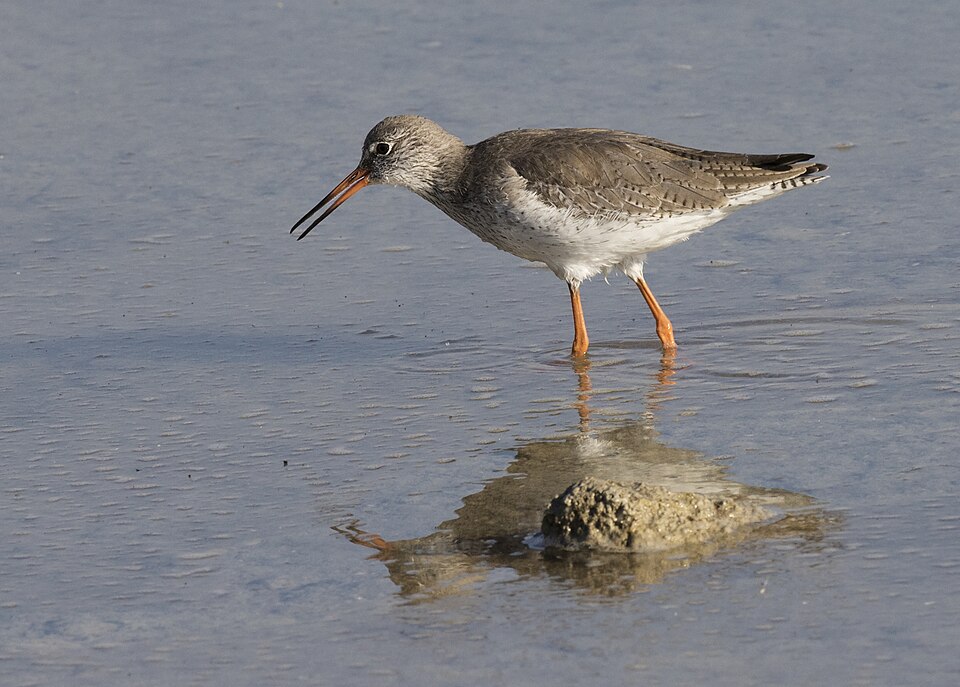 Pettegola
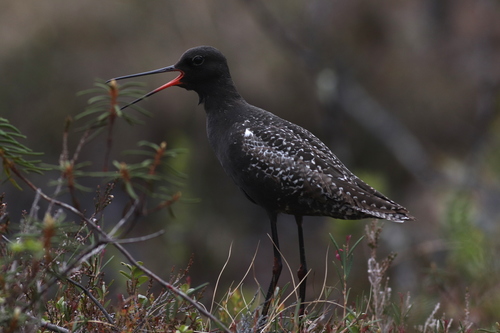 Totano moro
In breve
Il segno di campo più affidabile tra Pettegola e Totano moro è la loro netta differenza nel piumaggio di riproduzione: gli adulti di Totano moro diventano quasi completamente neri, mentre il Pettegola rimane marrone marmorizzato. In inverno e nei piumaggi giovanili, entrambi diventano più chiari e più simili, ma il Totano moro è generalmente più chiaro e più finemente marcato, con un becco e zampe più lunghi. In volo, entrambi mostrano bianco sulla schiena, ma il bianco del Totano moro è più ovalizzato, mentre il Pettegola mostra un forte cuneo bianco sulla schiena e ampie strisce bianche sulle ali. Il giovane Totano moro è più finemente macchiato sopra e barrato sotto rispetto al giovane Pettegola. Le differenze strutturali (becco e zampe più lunghi e più fini nel Totano moro) sono utili, specialmente quando il piumaggio è ambiguo.
Consigli di identificazione
- Piumaggio di riproduzione (adulti primavera/estate): Il Totano moro è quasi completamente nero con macchie bianche, specialmente sulle parti inferiori, mentre il Pettegola non è mai nero, rimanendo marrone marmorizzato sopra e più chiaro sotto. Questa è la separazione più netta.
- Uccelli giovanili/primo inverno: Il giovane Totano moro è grigio-marrone sopra, finemente macchiato di bianco, e ha parti inferiori chiare e finemente barrate. Il giovane Pettegola è più marrone marmorizzato con macchie marroni diffuse sul petto e sul collo. Cerca il motivo più fine e nitido nei giovani Totano moro.
- Adulti in inverno: Entrambi diventano più chiari, ma il Totano moro è molto chiaro nel complesso (quasi argentato), mentre il Pettegola è grigio-marrone uniforme sopra e biancastro sotto. In caso di dubbio, fai affidamento sulla struttura e sul modello di volo.
- Struttura del becco: Il Totano moro ha un becco più lungo, più fine e più dritto rispetto al Pettegola, che ha un becco più corto, leggermente rivolto verso l'alto, con una punta nera più evidente. Questo è visibile da vicino o in buone viste laterali.
- Lunghezza delle zampe: Le zampe del Totano moro sono più lunghe e appaiono più slanciate, spesso estendendosi ben oltre la coda in volo o quando si immergono in acque più profonde. Le zampe del Pettegola sono più corte e robuste.
- Modello di volo: Entrambi mostrano bianco sulla schiena, ma il Totano moro ha un oval bianco ordinato, mentre il Pettegola mostra un forte cuneo bianco sulla schiena e ampie strisce bianche sulle ali. Questi segni sono visibili in tutte le età e stagioni e sono tra i migliori indizi in volo.
- Aspetto generale: Il Totano moro appare più elegante ed allungato, con una postura più eretta e proporzioni più lunghe. Il Pettegola è più robusto e compatto, spesso con una postura curva.
- Colore delle zampe: Entrambi hanno zampe rosse, ma nel piumaggio di riproduzione, le zampe del Totano moro diventano grigio scuro. Nel piumaggio non riproduttivo, entrambi sono rossastri, quindi questo non è sempre affidabile.
- Colore del becco: Entrambi hanno rosso alla base del becco, ma il becco del Totano moro è più lungo e più fine, con meno nero evidente sulla punta rispetto al Pettegola.
- Motivo delle parti inferiori: Nei giovani, il Totano moro è più finemente barrato sotto, mentre il Pettegola è più diffusamente macchiato. Negli adulti, solo il Totano moro appare mai nero sotto (piumaggio di riproduzione).
- Contesto dell'habitat: Se visto in torbiere settentrionali in estate, è più probabile che sia un Totano moro. In paludi di pianura o estuari, specialmente nell'Europa occidentale, il Pettegola è solitamente la specie di default.
- Vocalizzazione: Se senti un crepitio 'teu-it' o 'kyip-kyip-kyip', sospetta il Totano moro, ma fai attenzione che i richiami possono essere variabili e non sempre diagnostici.
- Tempi di muta: Gli adulti di Totano moro mutano completamente tra luglio e ottobre, con il piumaggio del corpo che cambia in primavera (marzo-maggio). I giovani hanno una muta parziale da agosto a febbraio. Questo può influenzare la chiarezza dei segni del piumaggio a fine estate/autunno.
- Trappole: In luce invernale opaca o a distanza, entrambe le specie possono apparire simili. Usa una combinazione di struttura (becco, zampe), modello di volo e qualsiasi dettaglio del piumaggio disponibile per confermare l'identificazione.
- In caso di dubbio: Dai priorità ai segni di volo (oval bianco vs cuneo/strisce sulle ali), lunghezza del becco e delle zampe, e aspetto generale, specialmente al di fuori della stagione di riproduzione quando il piumaggio è meno distintivo.
Taglia
Il Totano moro è leggermente più grande e più pesante del Pettegola (massa media dell'adulto 151,5g vs 129,0g), ma questa differenza è sottile sul campo. Il Totano moro appare anche con zampe più lunghe e becco più lungo, contribuendo a un'impressione più elegante e allungata rispetto al Pettegola, che è più robusto e con zampe più corte.
Piumaggio
- Giovanile/Primo inverno: Il giovane Totano moro è grigio-marrone sopra, finemente macchiato di bianco, e ha parti inferiori chiare e finemente barrate. Il giovane Pettegola è più marrone marmorizzato sopra, con meno macchie fini e più macchie marroni diffuse sul petto e sul collo. Entrambe le specie sono più chiare sotto, ma il Totano moro è generalmente più pulito e più nitidamente marcato.
- Adulto in riproduzione: Il Totano moro è quasi completamente nero con macchie bianche, comprese le parti inferiori, mentre il Pettegola è marrone marmorizzato sopra e più chiaro sotto, mai nero. In questa stagione, la confusione è improbabile.
- Adulto in inverno: Entrambe le specie diventano più chiare e meno marcate. Il Pettegola è grigio-marrone uniforme sopra e biancastro sotto, mentre il Totano moro è molto chiaro nel complesso, spesso apparendo argentato o biancastro. Il colore del becco e delle zampe è simile (rosso), ma il becco e le zampe del Totano moro sono più lunghi e più fini.
- Volo: Entrambi mostrano bianco sulla schiena, ma il Totano moro ha un oval bianco, mentre il Pettegola mostra un forte cuneo bianco sulla schiena e ampie strisce bianche sulle ali. Questi segni di volo sono utili per tutte le età.
Comportamento
Entrambe le specie sono trampolieri attivi, spesso visti a frugare nel fango o in acque poco profonde. Il Totano moro tende ad apparire più grazioso e eretto, spesso immergendosi più in profondità a causa delle sue zampe più lunghe. Il Pettegola è più probabile che venga visto in una postura curva e può apparire più nervoso, frequentemente muovendo e sbattendo la coda.
Habitat
Entrambe le specie utilizzano habitat umidi simili, ma il Totano moro nidifica più a nord (torbiere di taiga) ed è più probabile che sia un visitatore di passaggio o invernale nelle zone temperate, mentre il Pettegola è diffuso in paludi di pianura, estuari e prati umidi. In inverno, entrambe possono sovrapporsi in zone umide costiere o interne.
Voce
Il Totano moro emette un fischio crepitante 'teu-it', che ricorda un gabbiano roseo, e un richiamo di allerta 'kyip-kyip-kyip'. Il richiamo del Pettegola non è descritto nelle note, quindi le differenze vocali non sono affidabilmente diagnostiche qui.