

Archibebe Común vs Archibebe Oscuro
Tringa totanus frente a Tringa erythropus
Juega un quiz con Archibebe Común y Archibebe Oscuro
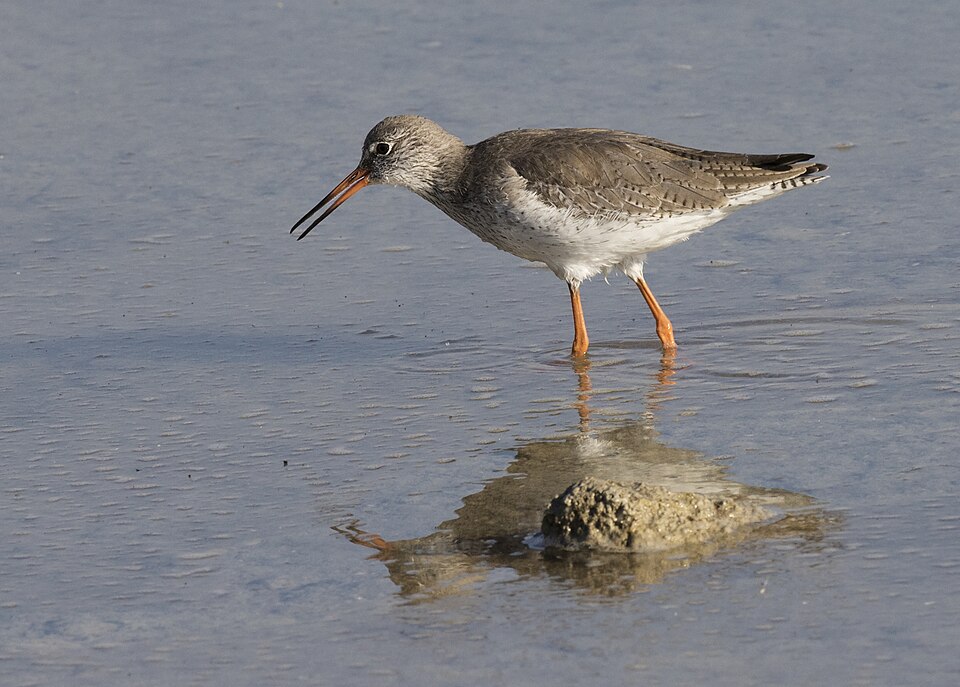 Archibebe Común
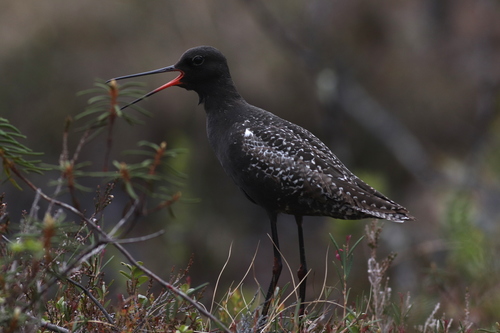 Archibebe Oscuro
En breve
La marca de campo más confiable entre el Archibebe Común y el Archibebe Oscuro es su notable diferencia en el plumaje de cría: los adultos del Archibebe Oscuro se vuelven casi completamente negros, mientras que el Archibebe Común permanece moteado de marrón. En los plumajes de invierno y juveniles, ambos se vuelven más pálidos y similares, pero el Archibebe Oscuro es generalmente más pálido y más finamente marcado, con un pico y patas más largos. En vuelo, ambos muestran blanco en la espalda, pero el blanco del Archibebe Oscuro es más ovalado, mientras que el Archibebe Común muestra una fuerte cuña blanca en la espalda y amplias franjas blancas en las alas. El juvenil del Archibebe Oscuro está más finamente moteado por encima y tiene barras por debajo que el juvenil del Archibebe Común. Las diferencias estructurales (pico y patas más largos y finos en el Archibebe Oscuro) son útiles, especialmente cuando el plumaje es ambiguo.
Consejos de identificación
- Plumaje de cría (adultos de primavera/verano): El Archibebe Oscuro es casi completamente negro con manchas blancas, especialmente en las partes inferiores, mientras que el Archibebe Común nunca es negro, permaneciendo moteado de marrón por encima y más claro por debajo. Esta es la separación más clara.
- Aves juveniles/primer invierno: El juvenil del Archibebe Oscuro es marrón grisáceo por encima, finamente moteado de blanco, y tiene partes inferiores pálidas y finamente barradas. El juvenil del Archibebe Común es más marrón moteado con manchas marrones difusas en el pecho y el cuello. Busca el patrón más fino y nítido en los juveniles del Archibebe Oscuro.
- Adultos de invierno: Ambos se vuelven más pálidos, pero el Archibebe Oscuro es muy pálido en general (casi plateado), mientras que el Archibebe Común es de un marrón grisáceo simple por encima y blanquecino por debajo. Cuando tengas dudas, confía en la estructura y el patrón de vuelo.
- Estructura del pico: El Archibebe Oscuro tiene un pico más largo, más fino y más recto que el Archibebe Común, que tiene un pico más corto, ligeramente curvado hacia arriba, con una punta negra más obvia. Esto es visible a corta distancia o en buenas vistas de perfil.
- Longitud de las patas: Las patas del Archibebe Oscuro son más largas y parecen más esbeltas, a menudo extendiéndose más allá de la cola en vuelo o cuando se adentran en aguas más profundas. Las patas del Archibebe Común son más cortas y robustas.
- Patrón de vuelo: Ambos muestran blanco en la espalda, pero el Archibebe Oscuro tiene un ovalo blanco ordenado, mientras que el Archibebe Común muestra una fuerte cuña blanca en la espalda y amplias franjas blancas en las alas. Estas marcas son visibles en todas las edades y estaciones y están entre las mejores pistas en vuelo.
- Aspecto general: El Archibebe Oscuro parece más elegante y alargado, con una postura más erguida y proporciones más largas. El Archibebe Común es más robusto y compacto, a menudo con una postura encorvada.
- Color de las patas: Ambos tienen patas rojas, pero en plumaje de cría, las patas del Archibebe Oscuro se vuelven de un gris oscuro. En plumaje no reproductivo, ambos son rojizos, por lo que esto no siempre es confiable.
- Color del pico: Ambos tienen rojo en la base del pico, pero el pico del Archibebe Oscuro es más largo y más fino, con menos negro obvio en la punta que el Archibebe Común.
- Patrón de las partes inferiores: En los juveniles, el Archibebe Oscuro tiene barras más finas por debajo, mientras que el Archibebe Común tiene manchas más difusas. En los adultos, solo el Archibebe Oscuro aparece negro por debajo (plumaje de cría).
- Contexto de hábitat: Si se ve en pantanos del norte en verano, es más probable que sea un Archibebe Oscuro. En marismas de tierras bajas o estuarios, especialmente en Europa occidental, el Archibebe Común suele ser el predeterminado.
- Vocalización: Si escuchas un chirrido 'teu-it' o 'kyip-kyip-kyip', sospecha del Archibebe Oscuro, pero ten cuidado, ya que los llamados pueden ser variables y no siempre son diagnósticos.
- Tiempo de muda: Los adultos del Archibebe Oscuro mudan completamente entre julio y octubre, con el plumaje corporal cambiando en primavera (marzo-mayo). Los juveniles tienen una muda parcial de agosto a febrero. Esto puede afectar la claridad de las marcas del plumaje a finales de verano/otoño.
- Trampas: En la luz invernal tenue o a distancia, ambas especies pueden parecer similares. Usa una combinación de estructura (pico, patas), patrón de vuelo y cualquier detalle de plumaje disponible para confirmar la identificación.
- Cuando tengas dudas: Prioriza las marcas de vuelo (óvalo blanco vs cuña/franjas de alas), la longitud del pico y las patas, y el aspecto general, especialmente fuera de la temporada de cría cuando el plumaje es menos distintivo.
Tamaño
El Archibebe Oscuro es ligeramente más grande y pesado que el Archibebe Común (masa promedio del adulto 151.5g vs 129.0g), pero esta diferencia es sutil en el campo. El Archibebe Oscuro también parece tener patas más largas y un pico más largo, contribuyendo a una impresión más elegante y alargada en comparación con el Archibebe Común, que es más robusto y tiene patas más cortas.
Plumaje
- Juvenil/Primer invierno: El juvenil del Archibebe Oscuro es marrón grisáceo por encima, finamente moteado de blanco, y tiene partes inferiores pálidas y finamente barradas. El juvenil del Archibebe Común es más marrón moteado por encima, con menos manchas finas y más manchas marrones difusas en el pecho y el cuello. Ambas especies son más pálidas por debajo, pero el Archibebe Oscuro es generalmente más limpio y más nítidamente marcado.
- Adulto en cría: El Archibebe Oscuro es casi completamente negro con manchas blancas, incluyendo las partes inferiores, mientras que el Archibebe Común es moteado de marrón por encima y más claro por debajo, nunca negro. En esta temporada, la confusión es poco probable.
- Adulto en invierno: Ambas especies se vuelven más pálidas y menos marcadas. El Archibebe Común es de un marrón grisáceo simple por encima y blanquecino por debajo, mientras que el Archibebe Oscuro es muy pálido en general, a menudo apareciendo plateado o blanquecino. El color del pico y las patas son similares (rojo), pero el pico y las patas del Archibebe Oscuro son más largos y finos.
- Vuelo: Ambos muestran blanco en la espalda, pero el Archibebe Oscuro tiene un ovalo blanco, mientras que el Archibebe Común muestra una fuerte cuña blanca en la espalda y amplias franjas blancas en las alas. Estas marcas de vuelo son útiles para todas las edades.
Comportamiento
Ambas especies son zancudas activas, a menudo vistas sondeando barro o agua poco profunda. El Archibebe Oscuro tiende a parecer más elegante y erguido, a menudo zambulléndose más profundo debido a sus patas más largas. El Archibebe Común es más probable que se vea en una postura encorvada y puede parecer más nervioso, moviendo y agitando su cola con frecuencia.
Hábitat
Ambas especies utilizan hábitats húmedos similares, pero el Archibebe Oscuro cría más al norte (pantanos de taiga) y es más probable que sea un visitante de paso o invernal en zonas templadas, mientras que el Archibebe Común es común en marismas de tierras bajas, estuarios y pastizales húmedos. En invierno, ambas pueden superponerse en humedales costeros o interiores.
Voz
El Archibebe Oscuro emite un silbido chirriante 'teu-it', que recuerda a un charrán rosado, y un llamado de alarma 'kyip-kyip-kyip'. El llamado del Archibebe Común no se describe en las notas, por lo que las diferencias vocales no son confiables aquí.