

Pettegola vs Voltapietre
Tringa totanus contro Arenaria interpres
Fai un quiz con Pettegola e Voltapietre
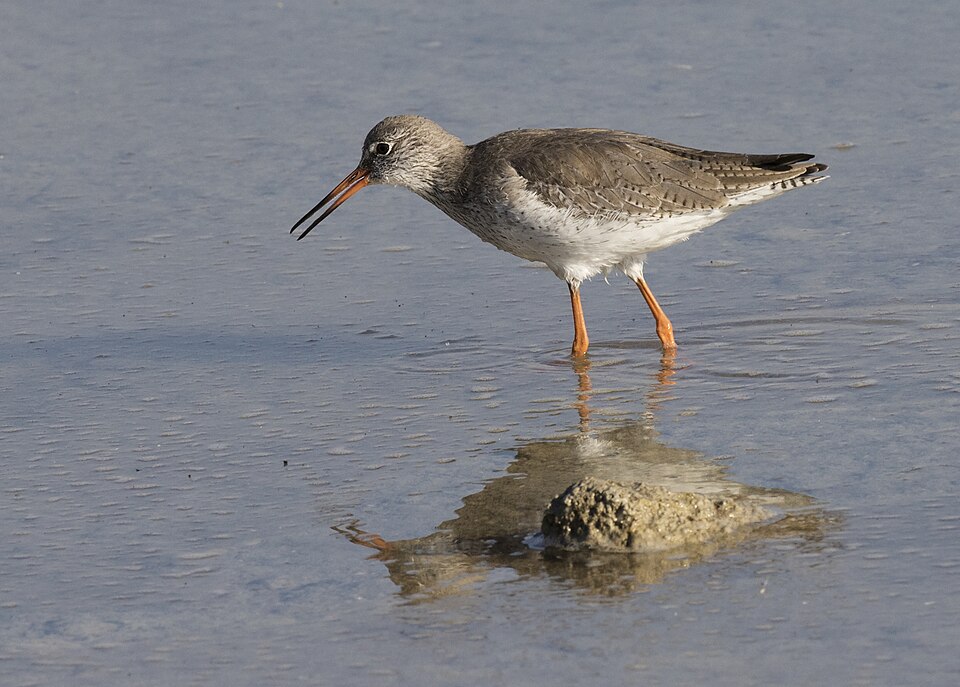 Pettegola
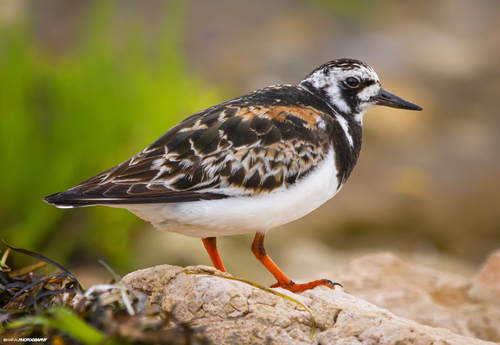 Voltapietre
In breve
La separazione più affidabile tra Pettegola e Voltapietre è il loro volo distintivo e il piumaggio in posizione eretta: il pettegola mostra un audace cuneo bianco lungo la schiena e ampie strisce bianche sulle ali, mentre il voltapietre sfoggia un colpo d'occhio con un bianco intenso nella parte bassa della schiena, nel coda e nella coda con una banda bianca sulle ali e bande nere sulla coda. I voltapietre juvenili hanno un motivo superiore squamoso, mentre i giovani pettegoli sono più diffusamente macchiati. Strutturalmente, il pettegola ha gambe più lunghe e una corporatura più snella con un becco dritto e rosso alla base; il voltapietre è più robusto, con gambe più corte e un becco scuro a forma di cuneo. Il volto e il motivo del petto del voltapietre, a motivo arlecchino bianco e nero, sono unici, specialmente nel piumaggio nuziale, mentre il pettegola è più sobrio e semplice. Entrambi possono essere trovati sulle coste, ma il pettegola è più probabile che si trovi nell'entroterra o nelle paludi, mentre il voltapietre è quasi sempre su coste rocciose o ricoperte di alghe.
Consigli di identificazione
- Flight pattern (all ages): Cerca un audace cuneo bianco lungo la schiena e un ampio bordo bianco che segue le ali (pettegola) rispetto a una banda bianca sulle ali, parte bassa della schiena/coda e bande nere sulla coda (voltapietre).
- Juvenile upperparts: I voltapietre juvenili hanno un aspetto squamoso e a scacchi grazie ai bordi chiari delle piume superiori; i pettegoli juvenili sono più diffusamente macchiati di marrone sopra.
- Leg color and length: Il pettegola ha lunghe gambe rosse brillanti; il voltapietre ha gambe più corte e arancioni brillanti. In confronto diretto, il pettegola sta più in alto e più eretto.
- Bill shape and color: Il becco del pettegola è dritto, di lunghezza media, rosso alla base con una punta nera. Il becco del voltapietre è più corto, scuro, a forma di cuneo e leggermente ricurvo, adattato per girare le pietre.
- Face and breast pattern (breeding): Il voltapietre ha un volto a motivo arlecchino: testa bianca con strisce nere/corona e una maschera nera audace, oltre a un petto per lo più nero con una macchia bianca sui lati. Il pettegola ha un volto semplice e solo leggermente macchiato sul petto.
- Non-breeding plumage: Il pettegola diventa grigio-marrone semplice sopra e biancastro sotto; il voltapietre è più scuro sopra, con una testa scura e meno bianco, ma mostra ancora una forte banda bianca sulle ali e una parte bassa della schiena in volo.
- Sex differences: Le femmine di voltapietre sono leggermente più opache e marroni sulla testa; i sessi del pettegola sono simili.
- Structure/jizz: Il pettegola è più alto, più snello e con gambe più lunghe; il voltapietre è compatto, con gambe corte e robusto.
- Feeding behavior: Il voltapietre è spesso visto girare pietre, alghe o detriti, a volte colpendo la preda; il pettegola setaccia il fango o l'acqua bassa e raramente manipola oggetti.
- Habitat: Il voltapietre è quasi sempre su coste rocciose o ricoperte di alghe; il pettegola è più probabile che si trovi in paludi, fanghi o anche in zone umide interne.
- Group behavior: I voltapietre sono spesso in gruppi attivi e compatti sulla riva; i pettegoli sono più solitari o raggruppati in modo più sciolto, specialmente lontano dalla costa.
- Vocalizations: Se sentito, il voltapietre emette un richiamo stridulo o chiacchierante, specialmente durante la stagione riproduttiva; il richiamo del pettegola non è descritto qui.
- Pitfalls: Nel piumaggio invernale opaco, entrambe le specie perdono un po' di colore, ma il voltapietre mantiene il suo audace motivo di volo bianco e nero e l'aspetto squamoso dei juvenili, mentre il pettegola rimane semplice e mostra un forte cuneo bianco lungo la schiena in volo.
- When marks fail: Se sono visibili solo le gambe o il becco, fai attenzione: il colore delle gambe può sembrare simile in scarsa illuminazione. Cerca sempre una vista in volo o un buon sguardo al volto e alle parti superiori.
- Quiz tip: Se vedi un limicolo con schiena squamosa e gambe corte che gira pietre su una costa rocciosa, è un voltapietre. Un limicolo semplice, con gambe rosse e un cuneo bianco lungo la schiena in volo è un pettegola.
Taglia
Il Pettegola è leggermente più pesante in media (massa corporea circa 129 g [wikidata]), con una postura più alta e con gambe più lunghe. Il Voltapietre è più compatto e robusto, con una massa corporea che varia da 85 a 150 g [wikipedia], ma è generalmente con gambe più corte e appare più tozzo. In confronto diretto, il pettegola sta più in alto e appare più elegante, mentre il voltapietre è tozzo e robusto.
Piumaggio
- Juvenile/immature birds: I voltapietre juvenili hanno teste e parti superiori marroni chiare con bordi chiari, dando un aspetto distintamente squamoso o a scacchi. I pettegoli juvenili sono più diffusamente macchiati di marrone sopra, privi del motivo squamoso netto.
- Flight pattern (all ages): Il pettegola mostra un forte cuneo bianco lungo la schiena, un ampio bordo bianco che segue le ali e una parte bassa della schiena bianca. Il voltapietre in volo rivela una banda bianca sulle ali, una macchia bianca alla base dell'ala e una parte bassa della schiena, coda e coda bianchi brillanti con bande scure sulla coda, creando un aspetto più a bande.
- Breeding plumage: Il pettegola è marrone marmorizzato sopra, più chiaro sotto, con gambe rosse e un becco rosso alla base. Il voltapietre è molto più decorato: parti superiori marrone-rossiccio con marcature nere, una testa per lo più bianca con strisce nere e un motivo facciale nero audace, e un petto per lo più nero con una macchia bianca sui lati.
- Non-breeding plumage: Il pettegola diventa più semplice grigio-marrone sopra e biancastro sotto; il voltapietre si scurisce a parti superiori grigio-marrone scuro con macchie nere e una testa scura con poco bianco, ma mostra ancora una forte banda bianca sulle ali e una parte bassa della schiena in volo.
- Sex differences: Le femmine di voltapietre sono leggermente più opache e marroni sulla testa rispetto ai maschi; il pettegola mostra poco dimorfismo sessuale.
Comportamento
Il pettegola si nutre setacciando nel fango morbido o nell'acqua bassa, spesso in paludi o estuari, e si muove con un passo costante e eretto. Il voltapietre è altamente attivo e distintivo nella sua ricerca di cibo: gira pietre, alghe e detriti con il suo becco, si fa strada attraverso le pile e becca o colpisce la preda. I voltapietre sono spesso visti in piccoli gruppi compatti sulle coste rocciose, mentre i pettegoli sono più solitari o raggruppati in modo più sciolto, specialmente nell'entroterra. Le posture aggressive e dominanti del voltapietre (curvo, coda abbassata) sono talvolta visibili quando si nutrono in gruppi.
Habitat
Il Pettegola si trova in una vasta gamma di habitat umidi: paludi dolci e salmastre, fanghi, estuari e talvolta laghi interni e campi allagati. Il Voltapietre è quasi sempre costiero, preferendo coste rocciose, spiagge coperte di alghe e linee di detriti di marea. Se vedi un uccello che gira pietre o alghe su una costa rocciosa, è quasi certamente un voltapietre; un limicolo in un estuario fangoso o in una palude interna è più probabile che sia un pettegola.
Voce
Il voltapietre emette un richiamo staccato e stridulo e un allerta chiacchierante, principalmente durante la stagione riproduttiva. Il richiamo del pettegola non è descritto nelle note, quindi non è diagnostico qui.