

Archibebe Común vs Vuelvepiedras Común
Tringa totanus frente a Arenaria interpres
Juega un quiz con Archibebe Común y Vuelvepiedras Común
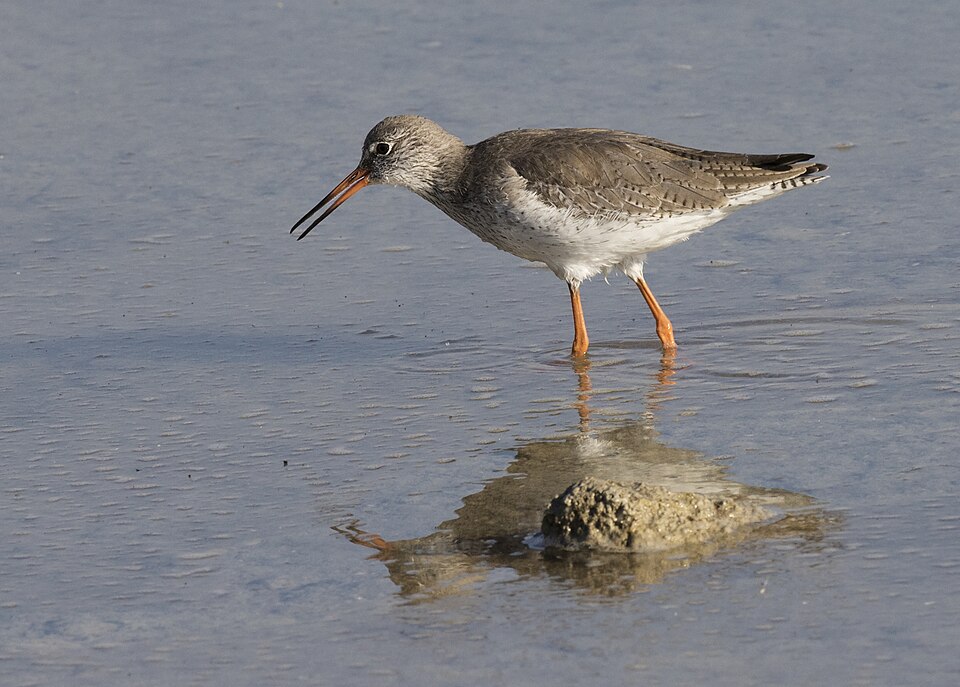 Archibebe Común
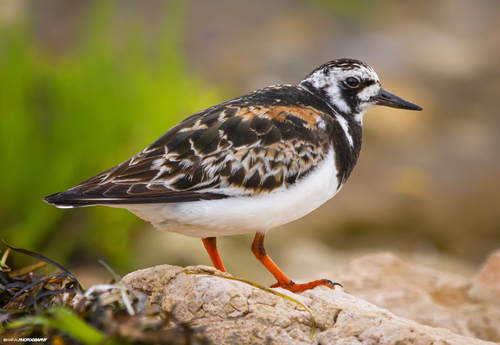 Vuelvepiedras Común
En breve
La separación más confiable entre el Archibebe Común y el Vuelvepiedras Común es su distintivo plumaje de vuelo y posado: el archibebe muestra una audaz cuña blanca en la espalda y amplias franjas blancas en las alas, mientras que el vuelvepiedras resalta una llamativa parte baja de la espalda, rabadilla y cola blancas con una barra alar blanca y bandas negras en la cola. Los vuelvepiedras juveniles tienen un patrón escamoso en la parte superior, mientras que los archibebes jóvenes están más moteados de manera difusa. Estructuralmente, el archibebe tiene patas más largas y es más delgado con un pico recto y de base roja; el vuelvepiedras es más robusto, tiene patas más cortas y un pico oscuro en forma de cuña. El patrón facial y del pecho en blanco y negro del vuelvepiedras es único, especialmente en plumaje de cría, mientras que el archibebe es más sobrio y sencillo. Ambos se pueden encontrar en costas, pero el archibebe es más probable que esté en el interior o en pantanos, mientras que el vuelvepiedras está casi siempre en costas rocosas o cubiertas de algas.
Consejos de identificación
- Patrón de vuelo (todas las edades): Busca una audaz cuña blanca en la espalda y un amplio borde blanco en las alas (archibebe) frente a una barra alar blanca, parte baja/rabadilla/cola blanca y bandas negras en la cola (vuelvepiedras).
- Partes superiores juveniles: Los vuelvepiedras juveniles tienen un aspecto escamoso y a cuadros debido a los bordes pálidos en las plumas de la parte superior; los archibebes juveniles están más moteados de marrón de manera difusa en la parte superior.
- Color y longitud de las patas: El archibebe tiene patas largas y de un brillante color rojo; el vuelvepiedras tiene patas más cortas y de un brillante color naranja. En comparación directa, el archibebe se mantiene más alto y erguido.
- Forma y color del pico: El pico del archibebe es recto, de longitud media, rojo en la base con una punta negra. El pico del vuelvepiedras es más corto, oscuro, en forma de cuña y ligeramente curvado hacia arriba, adaptado para voltear piedras.
- Patrón facial y del pecho (cría): El vuelvepiedras tiene un rostro arlequín: cabeza blanca con rayas/corona negras y una audaz máscara negra, además de un pecho mayormente negro con una mancha blanca a los lados. El archibebe tiene un rostro sencillo y solo está ligeramente moteado en el pecho.
- Plumaje no reproductivo: El archibebe se vuelve de un gris-marrón sencillo en la parte superior y blanquecino en la parte inferior; el vuelvepiedras se oscurece a un marrón gris oscuro en la parte superior, con una cabeza oscura y menos blanco, pero aún muestra una fuerte barra alar blanca y rabadilla en vuelo.
- Diferencias sexuales: Las hembras de vuelvepiedras son ligeramente más apagadas y marrones en la cabeza; los sexos del archibebe son similares.
- Estructura/jizz: El archibebe es más alto, más delgado y con patas más largas; el vuelvepiedras es compacto, con patas cortas y robusto.
- Comportamiento alimenticio: El vuelvepiedras se ve a menudo volteando piedras, algas o escombros, a veces golpeando a su presa; el archibebe sondea en el barro o en aguas poco profundas y rara vez manipula objetos.
- Hábitat: El vuelvepiedras está casi siempre en costas rocosas o cubiertas de algas; el archibebe es más probable que esté en pantanos, llanuras de barro o incluso humedales interiores.
- Comportamiento en grupo: Los vuelvepiedras a menudo están en grupos activos y compactos en la orilla; los archibebes son más solitarios o están agrupados de manera más laxa, especialmente lejos de la costa.
- Vocalizaciones: Si se escucha, el vuelvepiedras emite un llamado rítmico o de charla, especialmente en la temporada de cría; el llamado del archibebe no se describe aquí.
- Trampas: En plumaje invernal apagado, ambas especies pierden algo de color, pero el vuelvepiedras retiene su audaz patrón de vuelo en blanco y negro y su aspecto juvenil escamoso, mientras que el archibebe permanece sencillo y muestra una fuerte cuña blanca en la espalda en vuelo.
- Cuando las marcas fallan: Si solo son visibles las patas o el pico, ten cuidado: el color de las patas puede parecer similar en mala luz. Siempre intenta obtener una vista de vuelo o una buena mirada al rostro y las partes superiores.
- Consejo para el cuestionario: Si ves un limícola de espalda escamosa y patas cortas volteando piedras en una costa rocosa, es un vuelvepiedras. Un limícola de patas rojas y sencillo con una cuña blanca en la espalda en vuelo es un archibebe.
Tamaño
El Archibebe Común es ligeramente más pesado en promedio (masa corporal alrededor de 129 g [wikidata]), con una postura más alta y de patas más largas. El Vuelvepiedras Común es más compacto y robusto, con una masa corporal que varía de 85 a 150 g [wikipedia], pero generalmente tiene patas más cortas y parece más robusto. En comparación directa, el archibebe se mantiene más alto y se ve más elegante, mientras que el vuelvepiedras es bajo y robusto.
Plumaje
- Aves juveniles/inmaduras: Los Vuelvepiedras Comunes juveniles tienen cabezas y partes superiores de color marrón pálido con bordes pálidos, lo que les da un aspecto distintivamente escamoso o a cuadros. Los Archibebes Comunes juveniles están más moteados de marrón de manera difusa en la parte superior, careciendo del patrón escamoso agudo.
- Patrón de vuelo (todas las edades): El archibebe muestra una fuerte cuña blanca en la espalda, un amplio borde blanco en las alas y una rabadilla blanca. El vuelvepiedras en vuelo revela una barra alar blanca, una mancha blanca en la base del ala y una parte baja de la espalda, rabadilla y cola de un brillante color blanco con bandas oscuras en la cola, creando una apariencia más estriada.
- Plumaje de cría: El archibebe es de color marrón veteado en la parte superior, más claro en la parte inferior, con patas rojas y un pico de base roja. El vuelvepiedras es mucho más patrón: partes superiores de color marrón rojizo con marcas negras, una cabeza mayormente blanca con rayas negras y un audaz patrón facial negro, y un pecho mayormente negro con una mancha blanca a los lados.
- Plumaje no reproductivo: El archibebe se vuelve más sencillo, de un gris-marrón en la parte superior y blanquecino en la parte inferior; el vuelvepiedras se oscurece a un marrón gris oscuro en la parte superior, con moteado negro y una cabeza oscura con poco blanco, pero aún muestra una fuerte barra alar blanca y rabadilla en vuelo.
- Diferencias sexuales: Las hembras de vuelvepiedras son ligeramente más apagadas y marrones en la cabeza que los machos; el archibebe muestra poco dimorfismo sexual.
Comportamiento
El archibebe se alimenta sondeando en barro blando o aguas poco profundas, a menudo en pantanos o estuarios, y se mueve con un paso constante y erguido. El vuelvepiedras es muy activo y distintivo en su búsqueda de alimento: voltea piedras, algas y escombros con su pico, se abre paso a través de montones y pica o golpea a su presa. Los vuelvepiedras a menudo se ven en pequeños grupos compactos en costas rocosas, mientras que los archibebes son más solitarios o están agrupados de manera más laxa, especialmente en el interior. Las posturas agresivas y dominantes del vuelvepiedras (encorvado, cola baja) a veces son visibles cuando se alimenta en bandadas.
Hábitat
El Archibebe Común se encuentra en una amplia gama de hábitats de humedales: pantanos de agua dulce y salobre, llanuras de barro, estuarios y a veces lagos interiores y campos inundados. El Vuelvepiedras Común está casi siempre en la costa, prefiriendo costas rocosas, playas cubiertas de algas y líneas de escombros de mareas. Si ves un ave volteando piedras o algas en una costa rocosa, es casi seguro que es un vuelvepiedras; un limícola en un estuario fangoso o en un pantano interior es más probable que sea un archibebe.
Voz
El vuelvepiedras emite un llamado rítmico y un alarma de charla, principalmente en la temporada de cría. El llamado del archibebe no se describe en las notas, por lo que no es diagnóstico aquí.