

Common Ground Dove vs Plain-breasted Ground Dove
Columbina passerina contro Columbina minuta
Fai un quiz con Common Ground Dove e Plain-breasted Ground Dove
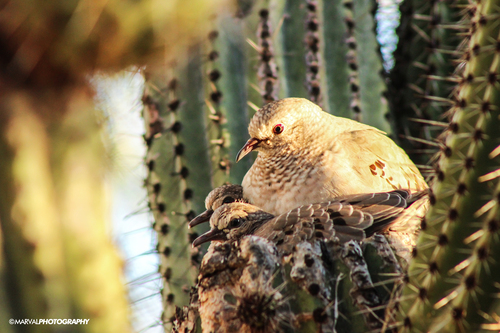 Common Ground Dove
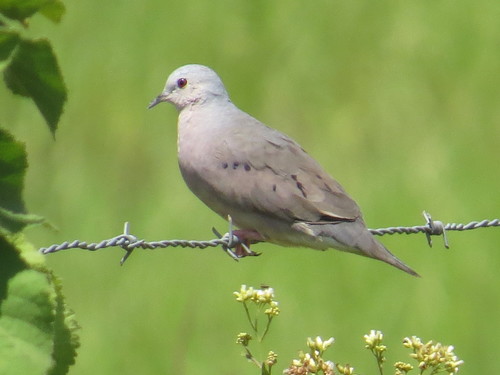 Plain-breasted Ground Dove
In breve
Il segno di campo più affidabile per separare il Common Ground Dove dal Plain-breasted Ground Dove è la presenza o assenza di piumaggio squamoso (scalato) sulla testa e sul petto superiore: il Common Ground Dove mostra sempre un modello squamoso distinto, mentre il Plain-breasted Ground Dove ne è privo e appare con il petto liscio. In volo, il Common Ground Dove lampeggia castano lungo le primarie e i bordi delle ali, visibile sia sugli uccelli posati che in volo, mentre il Plain-breasted Ground Dove mostra ruggine principalmente sulle ali inferiori e ha ali più chiare con macchie viola scure. Entrambe le specie sono piccole, colombe terrestri, ma il Common Ground Dove è leggermente più grande e più abbondante negli Stati Uniti e nei Caraibi. Un'attenta attenzione alla texture delle piume della testa e del petto, così come al colore delle ali in volo, è fondamentale per evitare confusione, specialmente con gli immaturi.
Consigli di identificazione
- Controlla la presenza di piumaggio squamoso sulla testa e sul petto superiore: Se vedi una texture squamosa o scalata, è il Common Ground Dove. Se la testa e il petto sono lisci e non marcati, è il Plain-breasted Ground Dove. Questo è il segno più affidabile per tutte le età e i sessi.
- Cerca il castano nelle ali durante il volo: Il Common Ground Dove lampeggia castano lungo le primarie e i bordi delle ali quando vola o si allunga. Il Plain-breasted Ground Dove ne è privo, mostrando invece ruggine principalmente sulle ali inferiori e ali superiori più chiare con macchie viola scure. Questo è meglio visibile in buona luce o quando l'uccello è spaventato e vola.
- Colore del becco: Il Common Ground Dove ha un becco giallo con una punta nera; il Plain-breasted Ground Dove ha un becco grigio semplice. Questo è sottile ma può aiutare a distanza ravvicinata.
- Colore del viso e dell'occhio: Il Common Ground Dove ha piume rosa attorno al becco; il Plain-breasted Ground Dove ha occhi rossastri e zampe rosa, che possono essere visibili a distanza ravvicinata.
- Lunghezza della coda: Il Common Ground Dove ha una coda molto corta che corrisponde al dorso; la coda del Plain-breasted Ground Dove non è descritta come distintiva, quindi la lunghezza della coda è solo un indizio debole.
- Differenze sessuali: I maschi di Common Ground Dove hanno una corona grigio ardesia e un ventre rosa-grigio; le femmine sono più grigie e di colore più uniforme. Il Plain-breasted Ground Dove mostra solo sottili differenze sessuali, quindi non fare affidamento su questo a meno che non sia molto familiare con entrambi.
- Colore e modello complessivo: Il Common Ground Dove è marrone sopra con macchie nere sulle ali; il Plain-breasted Ground Dove è grigio scuro o marrone con ali più chiare e macchie viola scure, ma non ha mai la testa e il petto squamosi.
- Volo: Entrambi sono piccoli e veloci, ma se vedi castano nelle ali, è il Common Ground Dove. Se le ali sembrano più chiare con ruggine sotto, considera il Plain-breasted Ground Dove.
- Voce: Se senti dei canti morbidi e ascendenti, è il Common Ground Dove. La mancanza di vocalizzazione non è diagnostica per il Plain-breasted Ground Dove.
- Habitat e abbondanza: Negli Stati Uniti e nei Caraibi, il Common Ground Dove è più probabile e più abbondante. Il Plain-breasted Ground Dove è raro o assente in queste aree.
- Dimensione: Entrambi sono piccoli, ma il Common Ground Dove è leggermente più grande e più robusto; il Plain-breasted Ground Dove è marginalmente più piccolo e leggero, ma questo è raramente utile sul campo.
- Evita confusione con altre Columbina: Entrambi possono essere confusi con il Ruddy Ground Dove (C. talpacoti), ma quella specie è più opaca e priva delle tonalità rossastre o castane.
- Confusione giovanile: Anche i giovani Common Ground Doves mostrano alcune squame sulla testa e sul petto, quindi questo segno è affidabile in tutte le età.
- Illuminazione e distanza: A distanza o in scarsa luce, entrambi possono apparire semplici e marroni; cerca sempre di dare un'occhiata da vicino alla texture della testa e del petto superiore.
- Variazione delle sottospecie: Alcune sottospecie di Common Ground Dove sono più chiare o più scure, ma tutte mantengono la testa e il petto squamosi. Il Plain-breasted Ground Dove rimane sempre con il petto liscio in tutto il suo areale.
Taglia
Il Common Ground Dove è leggermente più grande, misurando 15–18 cm di lunghezza e pesando 26–40 g, mentre il Plain-breasted Ground Dove è lungo 14.5–16 cm e pesa 24–42 g. La differenza è sottile e non sempre affidabile sul campo, ma il Common Ground Dove è generalmente la più piccola colomba negli Stati Uniti, con il Plain-breasted Ground Dove solo marginalmente più piccolo o simile in massa. Entrambi sono notevolmente piccoli e compatti rispetto ad altre colombe.
Piumaggio
- Giovanile/Immature/Non in riproduzione: La differenza diagnostica più evidente è la texture delle piume sulla testa e sul petto superiore. Il Common Ground Dove (tutte le età e i sessi) mostra un chiaro aspetto squamoso qui, con ogni piuma bordata di un colore più chiaro, creando un effetto squamoso. Il Plain-breasted Ground Dove non mostra mai questa scalatura e appare sempre con il petto liscio e la testa semplice, anche nei giovani uccelli.
- Schema di volo adulto: In volo, il Common Ground Dove rivela primarie e bordi delle ali castani, una caratteristica non presente nel Plain-breasted Ground Dove. Invece, il Plain-breasted Ground Dove mostra principalmente ali inferiori rugginose e ali superiori più chiare con macchie viola scure. La coda del Common Ground Dove è molto corta e corrisponde al colore del dorso, mentre il colore della coda non è evidenziato come distintivo nel Plain-breasted Ground Dove.
- Dimorfismo sessuale: Entrambe le specie mostrano sottili differenze tra i sessi, ma i maschi di Common Ground Dove hanno una corona grigio ardesia e un ventre rosa-grigio, mentre le femmine sono più grigie e di tonalità più uniforme. I sessi del Plain-breasted Ground Dove sono simili, con solo sottili differenze.
- Colore del becco e del viso: Il Common Ground Dove ha un becco giallo con una punta nera e piume rosa attorno al becco, mentre il Plain-breasted Ground Dove ha un becco grigio, zampe rosa e occhi rossastri.
Comportamento
Entrambe le specie sono terrestri e trascorrono la maggior parte del loro tempo a cercare cibo a terra, ma il Common Ground Dove è noto per essere particolarmente terrestre. Entrambi possono volare bene quando sono spaventati, ma il loro stile di volo non è descritto come diagnostico tra i due. Entrambi sono tipicamente visti singolarmente o in piccoli gruppi.
Habitat
Il Common Ground Dove è diffuso nel sud degli Stati Uniti, in America Centrale, nei Caraibi e nel nord dell'America del Sud, ed è la più piccola colomba negli Stati Uniti. Il Plain-breasted Ground Dove si sovrappone in alcune parti dell'America Centrale e del Sud, ma è meno abbondante negli Stati Uniti e nei Caraibi. Entrambe le specie preferiscono aree aperte, erbose o cespugliose, ma il Common Ground Dove è più probabile in habitat disturbati o semi-urbani negli Stati Uniti.
Voce
Il Common Ground Dove emette una serie di canti morbidi e ascendenti, spesso ripetuti e distintivi. Nessuna vocalizzazione è descritta per il Plain-breasted Ground Dove nelle note fornite, quindi la voce è utile solo per confermare il Common Ground Dove se udita.
Common Ground Dove · Plain-breasted Ground Dove · I miei uccelli difficili