

Cinereous-breasted Spinetail vs Spix's Spinetail
Synallaxis hypospodia contro Synallaxis spixi
Fai un quiz con Cinereous-breasted Spinetail e Spix's Spinetail
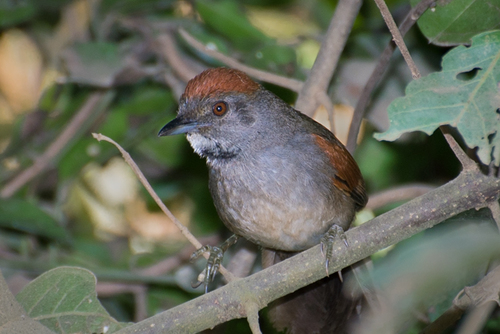 Cinereous-breasted Spinetail
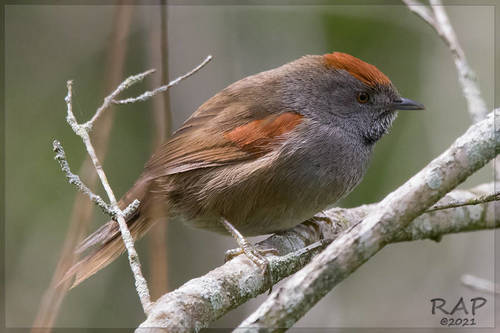 Spix's Spinetail
In breve
Il modo più affidabile per separare il Cinereous-breasted Spinetail dallo Spix's Spinetail è studiare attentamente il motivo della testa e la gola: il Cinereous-breasted mostra un debole sopracciglio grigio e una gola per lo più bianca con una macchia nera meno marcata, mentre lo Spix's ha un sopracciglio più pallido e distinto e una gola bianco-grigia con una macchia nera più netta. I giovani di entrambe le specie sono simili, ma i giovani Cinereous-breasted sono più ocra sotto e hanno una macchia della gola meno distinta. La forma e il colore della coda, così come le sottili differenze nelle copritrici delle ali e nelle parti inferiori, possono anche aiutare, ma è meglio usarle in combinazione. Entrambe le specie sono piccoli spinetail brunastri con ruggine nelle ali e nella coda, quindi è necessaria un'osservazione attenta e ravvicinata, specialmente in aree sovrapposte.
Consigli di identificazione
- Supercilium (Sopracciglio): Lo Spix's Spinetail ha un sopracciglio grigio più pallido e distinto, mentre quello del Cinereous-breasted è debole e meno ovvio. Questo è visibile sia negli adulti che nei giovani.
- Colore della Corona: Lo Spix's ha una corona ruggine, in contrasto con un volto grigio-bruno; la corona e la nuca del Cinereous-breasted sono ruggine castagna, ma la corona anteriore è grigio-bruna scura, dando un contrasto meno netto.
- Motivo della Gola: Il Cinereous-breasted mostra un mento e una gola per lo più bianchi con piume della gola inferiore nere bordate di bianco, apparendo spesso meno marcato rispetto allo Spix's, che ha una gola bianco-grigia con una macchia nera distinta bordata da margini grigi. Questo è un segno chiave in buona luce.
- Parti Inferiori dei Giovani: Il giovane Cinereous-breasted è più ocra color argilla sotto, mentre il giovane Spix's è bruno ocra ma può apparire leggermente più grigio. Entrambi hanno macchie della gola meno distinte rispetto agli adulti, ma quella del Cinereous-breasted è particolarmente debole.
- Forma della Coda: Lo Spix's Spinetail ha piume centrali della coda appuntite, mentre le piume della coda del Cinereous-breasted sono arrotondate alle punte. Questo è sottile ma può essere visto su uccelli posati con le code aperte.
- Colore della Coda: Entrambi hanno code marrone scuro, graduate, ma la coda del Cinereous-breasted è di un marrone più scuro rispetto alla schiena, mentre la coda dello Spix's è simile ma non così nettamente più scura della schiena.
- Copritrici delle Ali: Entrambe le specie mostrano ruggine nelle copritrici delle ali, ma quelle del Cinereous-breasted sono ruggine castagna, mentre lo Spix's ha copritrici minori ruggine e copritrici mediane/maggiori marrone scuro con ampi bordi ruggine. Questa è una differenza minore e difficile da usare sul campo.
- Petto e Ventre: Il Cinereous-breasted ha un petto grigio-bruno, color cenere e un ventre bianco; il petto dello Spix's è anch'esso grigio-bruno ma il ventre è di un grigio-bruno più pallido, non così bianco. I fianchi sono più bruni nello Spix's.
- Colore del Viso: Il viso del Cinereous-breasted è grigio-bruno, mentre quello dello Spix's è grigio-bruno, ma questo è sottile e meglio usato con altri segni.
- Becco e Zampe: Entrambi hanno una maxilla scura e una mandibola più chiara, con il colore delle zampe che varia da oliva a grigio oliva o giallo bruno (Cinereous-breasted) e grigio a grigio verdastro (Spix's). Non sono separabili in modo affidabile da queste caratteristiche.
- Preferenza per l'Habitat: Nelle regioni sovrapposte, il Cinereous-breasted è più probabile che si trovi in aree aperte, umide o erbose vicino all'acqua; lo Spix's è più probabile che si trovi in crescita secondaria densa e cespugliosa o al margine della foresta.
- Vocalizzazioni: Se sentito, il richiamo rapido e chiacchierino del Cinereous-breasted è molto diverso dalla canzone musicale e gorgogliante dello Spix's. Usa la voce come indizio principale quando possibile.
- Gamma Geografica: Se al di fuori della zona di sovrapposizione (ad esempio, Perù o Argentina), la gamma può aiutare, ma in Brasile e Paraguay entrambe possono verificarsi, quindi non fare affidamento solo sulla posizione.
- Comportamento: Entrambe le specie sono segrete e si nutrono basse in coppie, quindi il comportamento non è un forte separatore.
- Dimensioni: Lo Spix's è leggermente più lungo ma più leggero; questo non è un segno pratico sul campo.
Taglia
Lo Spix's Spinetail è leggermente più lungo (16–17 cm) ma più leggero (circa 13 g) rispetto al Cinereous-breasted Spinetail (15–16 cm, 15–18 g). Sul campo, questa differenza è sottile e non è una caratteristica di identificazione affidabile, poiché entrambi appaiono simili, piccoli e snelli. Anche il colore del becco e delle zampe è simile e non diagnostico.
Piumaggio
- Giovani: I giovani di entrambe le specie hanno una corona grigio-bruna e parti inferiori ocra a color argilla, ma i giovani Cinereous-breasted sono descritti come aventi una parte inferiore più ocra color argilla e una macchia della gola ancora meno distinta rispetto allo Spix's. Questo fa apparire il giovane Cinereous-breasted più caldo e opaco sotto, mentre lo Spix's è bruno ocra ma può apparire leggermente più grigio.
- Adulti: Il Cinereous-breasted ha un debole sopracciglio grigio, una corona anteriore grigio-bruna scura, una corona/nuca ruggine castagna e un mento e una gola per lo più bianchi con piume della gola inferiore nere bordate di bianco. Il suo petto è grigio-bruno (color cenere), il ventre è bianco e i fianchi sono brunastri. Lo Spix's ha un sopracciglio grigio più pallido e ovvio, una corona ruggine e una gola bianco-grigia con una macchia nera più netta bordata da margini grigi. Il suo petto è grigio-bruno, il ventre è di un grigio-bruno più pallido e i fianchi/copritrici della coda sono più bruni. Entrambi hanno ruggine nelle copritrici delle ali e una coda marrone scuro, graduata, ma le piume centrali della coda dello Spix's sono appuntite, mentre quelle del Cinereous-breasted sono arrotondate.
Comportamento
Entrambe le specie sono tipicamente viste in coppie, nutrendosi basse in vegetazione densa o in aree cespugliose. Tendono a rimanere 1–2 metri sopra il suolo, raccogliendo artropodi dalla vegetazione e dai rami. Nessuna delle due è nota per un comportamento appariscente, e entrambe possono essere piuttosto schive, rendendo difficile l'identificazione visiva. Non ci sono prove di differenze comportamentali significative utili per la separazione sul campo.
Habitat
Il Cinereous-breasted Spinetail predilige praterie aperte, umide stagionalmente, cespugli, campina e savana, specialmente vicino all'acqua, ed è trovato in Bolivia, Brasile, Paraguay e Perù. Lo Spix's Spinetail è più strettamente legato al bioma della Foresta Atlantica, occupando una varietà di habitat densi e cespugliosi, tra cui campi, pascoli, foreste a galleria, savana e crescita secondaria cespugliosa, e si estende dal sud-est del Brasile attraverso il Paraguay, l'Uruguay e fino all'Argentina. Dove le loro gamme si sovrappongono (in particolare in Brasile e Paraguay), l'habitat può fornire un indizio: il Cinereous-breasted è più probabile che si trovi in aree aperte, umide o semiaperte, mentre lo Spix's preferisce vegetazione legnosa densa e bassa, specialmente in crescita secondaria o al margine della foresta.
Voce
Il Cinereous-breasted Spinetail emette un chiacchierio affrettato e forte su un'unica tonalità, a volte accelerando alla fine, o un netto 'tut-Drrrrrrruh' con una finitura staccata e leggermente discendente. Lo Spix's Spinetail canta una frase di cinque sillabe con una qualità gorgogliante ('sweet! bee bee bee bee') o un ripetuto 'wee'tiddledidee', e fornisce anche un 'wuh-wididit' di 4–5 note. Le vocalizzazioni sono abbastanza diverse nel ritmo e nel tono, quindi una registrazione chiara o un ascolto attento possono essere diagnostici.
Cinereous-breasted Spinetail · Spix's Spinetail · I miei uccelli difficili