

Pijuí Cenizo vs Pijuí Plomizo
Synallaxis hypospodia frente a Synallaxis spixi
Juega un quiz con Pijuí Cenizo y Pijuí Plomizo
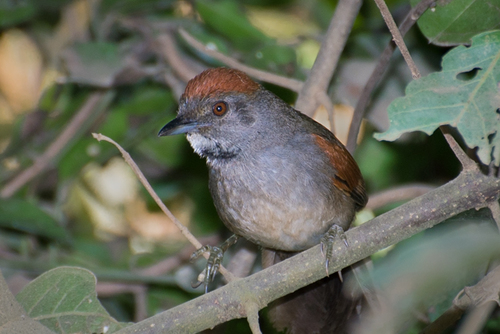 Pijuí Cenizo
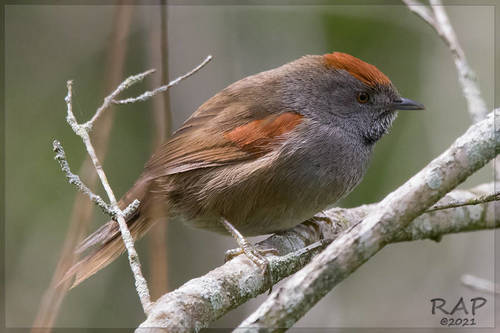 Pijuí Plomizo
En breve
La forma más confiable de separar el Pijuí Cenizo del Pijuí Plomizo es estudiando cuidadosamente el patrón de la cabeza y la garganta: el Pijuí Cenizo muestra un supercilio gris tenue y una garganta mayormente blanquecina con una mancha negra menos pronunciada, mientras que el Pijuí Plomizo tiene un supercilio más pálido y distintivo y una garganta grisácea blanca con una mancha negra más marcada. Los juveniles de ambas especies son similares, pero los juveniles del Pijuí Cenizo son más ocráceos por debajo y tienen una mancha de garganta menos definida. La forma y el color de la cola, así como las diferencias sutiles en las coberturas de las alas y las partes inferiores, también pueden ayudar, pero es mejor usarlas en combinación. Ambas especies son pequeños pijuí de color marrón con rufo en las alas y la cola, por lo que se necesita una observación cuidadosa y cercana, especialmente en rangos superpuestos.
Consejos de identificación
- Supercilium (Ceja): El Pijuí Plomizo tiene un supercilio gris más pálido y distintivo, mientras que el del Pijuí Cenizo es tenue y menos obvio. Esto es visible tanto en adultos como en juveniles.
- Color de la Corona: El Pijuí Plomizo tiene una corona rufo, contrastando con una cara marrón grisácea; la corona y la nuca del Pijuí Cenizo son rufo castaño, pero la frente es de un gris marrón más oscuro, dando un contraste menos limpio.
- Patrón de la Garganta: El Pijuí Cenizo muestra un mentón y una garganta mayormente blanquecinos con plumas de la garganta inferior negras con bordes blanquecinos, a menudo apareciendo menos marcados que el Pijuí Plomizo, que tiene una garganta grisácea blanca con una mancha negra distintiva bordeada por bordes grisáceos. Esta es una marca clave en buena luz.
- Partes Inferiores Juveniles: El juvenil del Pijuí Cenizo es más ocráceo marrón arcilloso por debajo, mientras que el juvenil del Pijuí Plomizo es marrón ocráceo pero puede parecer ligeramente más gris. Ambos tienen manchas de garganta menos definidas que los adultos, pero la del Pijuí Cenizo es especialmente tenue.
- Forma de la Cola: El Pijuí Plomizo tiene plumas centrales de la cola puntiagudas, mientras que las plumas de la cola del Pijuí Cenizo son redondeadas en las puntas. Esto es sutil pero se puede ver en aves posadas con colas extendidas.
- Color de la Cola: Ambos tienen colas de color marrón oscuro y graduadas, pero la cola del Pijuí Cenizo es de un marrón más oscuro que su espalda, mientras que la cola del Pijuí Plomizo es igualmente oscura pero no tan claramente más oscura que la espalda.
- Coberturas de las Alas: Ambas especies muestran rufo en las coberturas de las alas, pero las del Pijuí Cenizo son rufo castaño, mientras que el Pijuí Plomizo tiene coberturas menores rufo y coberturas medianas/mayores marrón oscuro con bordes rufo amplios. Esta es una diferencia menor y difícil de usar en el campo.
- Pecho y Vientre: El Pijuí Cenizo tiene un pecho gris marrón, de color ceniza, y un vientre blanquecino; el pecho del Pijuí Plomizo también es gris marrón, pero el vientre es de un marrón grisáceo más pálido, no tan blanco. Los flancos son más marrones en el Pijuí Plomizo.
- Color de la Cara: La cara del Pijuí Cenizo es marrón grisáceo, mientras que la del Pijuí Plomizo es marrón grisáceo, pero esto es sutil y se usa mejor con otras marcas.
- Pico y Piernas: Ambos tienen maxila oscura y mandíbula más clara, con el color de las piernas que varía de oliva a oliva grisáceo o marrón amarillento (Pijuí Cenizo) y gris a gris verdoso (Pijuí Plomizo). No se pueden separar de manera confiable por estas características.
- Preferencia de Hábitat: En regiones superpuestas, el Pijuí Cenizo es más probable que se encuentre en áreas abiertas, húmedas o herbáceas cerca del agua; el Pijuí Plomizo es más probable que se encuentre en crecimiento secundario denso y arbustivo o en el borde del bosque.
- Vocalizaciones: Si se escucha, el llamado rápido y charlatán del Pijuí Cenizo es bastante diferente de la canción burbujeante y musical del Pijuí Plomizo. Usa la voz como una pista principal cuando sea posible.
- Rango Geográfico: Si está fuera de la zona de superposición (por ejemplo, Perú o Argentina), el rango puede ayudar, pero en Brasil y Paraguay ambos pueden ocurrir, así que no confíes únicamente en la ubicación.
- Comportamiento: Ambas especies son secretivas y forrajean bajo en parejas, por lo que el comportamiento no es un separador fuerte.
- Tamaño: El Pijuí Plomizo es ligeramente más largo pero más ligero; esta no es una marca práctica de campo.
Tamaño
El Pijuí Plomizo es ligeramente más largo (16–17 cm) pero más ligero (alrededor de 13 g) que el Pijuí Cenizo (15–16 cm, 15–18 g). En el campo, esta diferencia es sutil y no es una característica de identificación confiable, ya que ambos parecen igualmente pequeños y esbeltos. La coloración del pico y las piernas también son similares y no son diagnósticas.
Plumaje
- Juveniles: Los juveniles de ambas especies tienen una corona marrón grisácea y partes inferiores de color ocráceo a marrón arcilloso, pero los juveniles del Pijuí Cenizo son descritos como teniendo un color más ocráceo marrón arcilloso por debajo y una mancha de garganta aún menos definida que el Pijuí Plomizo. Esto hace que el juvenil del Pijuí Cenizo se vea más cálido y apagado por debajo, mientras que el Pijuí Plomizo es marrón ocráceo pero puede parecer un poco más gris.
- Adultos: El Pijuí Cenizo tiene un supercilio gris tenue, una frente gris marrón oscuro, una corona/nuca rufo castaño y un mentón y garganta mayormente blanquecinos con plumas de la garganta inferior negras con bordes blanquecinos. Su pecho es gris marrón (color ceniza), vientre blanquecino y flancos marrones. El Pijuí Plomizo tiene un supercilio gris más pálido y obvio, una corona rufo y una garganta grisácea blanca con una mancha negra más marcada bordeada por bordes grisáceos. Su pecho es gris marrón, vientre marrón grisáceo más pálido y flancos/coberturas de la cola más marrones. Ambos tienen rufo en las coberturas de las alas y una cola graduada de color marrón oscuro, pero las plumas centrales de la cola del Pijuí Plomizo son puntiagudas, mientras que las del Pijuí Cenizo son redondeadas.
Comportamiento
Ambas especies se ven típicamente en parejas, forrajeando bajo en vegetación densa o áreas arbustivas. Tienden a permanecer a 1–2 metros sobre el suelo, recogiendo artrópodos de la follaje y ramas. Ninguna es conocida por un comportamiento conspicuo, y ambas pueden ser bastante esquivas, lo que hace que la identificación visual sea un desafío. No hay evidencia de diferencias de comportamiento significativas útiles para la separación en el campo.
Hábitat
El Pijuí Cenizo prefiere pastizales abiertos, húmedos estacionalmente, matorrales, campina y sabana, especialmente cerca del agua, y se encuentra en Bolivia, Brasil, Paraguay y Perú. El Pijuí Plomizo está más estrechamente vinculado al bioma del Bosque Atlántico, ocupando una variedad de hábitats densos y arbustivos que incluyen campos, pastizales, bosques de galería, sabanas y crecimiento secundario arbustivo, y se extiende desde el sureste de Brasil a través de Paraguay, Uruguay y hacia Argentina. Donde sus rangos se superponen (notablemente en Brasil y Paraguay), el hábitat puede proporcionar una pista: el Pijuí Cenizo es más probable que se encuentre en áreas abiertas, húmedas o semi-abiertas, mientras que el Pijuí Plomizo prefiere vegetación leñosa densa y baja, especialmente en crecimiento secundario o en el borde del bosque.
Voz
El Pijuí Cenizo emite un chisme apresurado y fuerte en un solo tono, a veces acelerando al final, o un agudo 'tut-Drrrrrrruh' con un final staccato y ligeramente descendente. El Pijuí Plomizo canta una frase de cinco sílabas con una calidad burbujeante ('¡dulce! bee bee bee bee') o un repetido 'wee'tiddledidee', y también emite un 'wuh-wididit' de 4–5 notas. Las vocalizaciones son bastante diferentes en ritmo y tono, por lo que una grabación clara o una escucha atenta pueden ser diagnósticas.