

Chotoy Spinetail vs Spix's Spinetail
Schoeniophylax phryganophilus contro Synallaxis spixi
Fai un quiz con Chotoy Spinetail e Spix's Spinetail
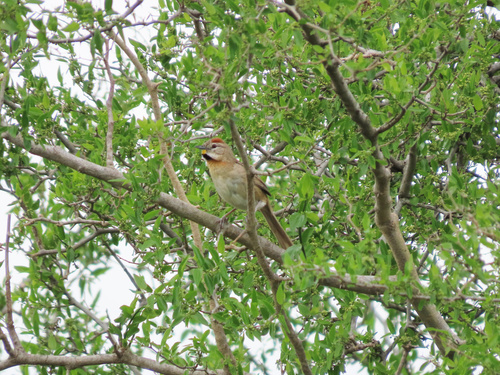 Chotoy Spinetail
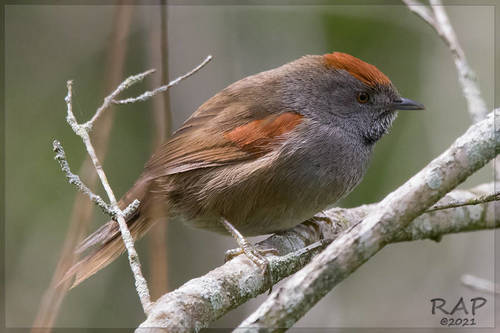 Spix's Spinetail
In breve
Il modo più affidabile per separare il Chotoy Spinetail dallo Spix's Spinetail è concentrarsi sul modello della gola e del viso: il Chotoy mostra un mento giallo brillante e una gola superiore con una netta macchia quadrata nera sulla gola inferiore, mentre lo Spix's ha una gola bianco grigia con una macchia nera meno distinta e più diffusa. Il Chotoy è anche notevolmente più grande e con una coda più lunga, con un dorso più chiaro e striato e un bold supercilium bianco. I giovani di entrambe le specie hanno macchie di gola più opache e meno distinte, ma i giovani Chotoy mostrano ancora un mento più chiaro e striature meno nette sopra. La struttura e la forma della coda, così come le preferenze di habitat, possono aiutare quando il piumaggio è oscurato.
Consigli di identificazione
- Colore della Gola e del Mento (Tutte le Età): Il Chotoy Spinetail mostra sempre un mento giallo brillante e una gola superiore, con una netta macchia quadrata nera sulla gola inferiore, circondata da bianco. Lo Spix's Spinetail ha una gola bianco grigia con una macchia nera meno distinta e diffusa—mai gialla. Questo è il miglior segno sul campo a qualsiasi età.
- Supercilium e Viso: Il Chotoy ha un bold supercilium bianco e copritrici auricolari marrone chiaro, mentre lo Spix's ha un supercilium grigio chiaro su un viso marrone grigiastro. Il viso del Chotoy appare più contrastante e aperto.
- Corona e Dorso: La corona del Chotoy è castagna con striature marroni deboli, e il suo dorso è marrone sabbia con striature scure evidenti. Lo Spix's ha una corona rugginosa (senza striature) e un dorso marrone scuro, privo delle audaci striature del Chotoy.
- Struttura della Coda: La coda del Chotoy è lunga, marrone chiaro, e abbastanza uniforme con fusti neri. La coda dello Spix's è più corta, marrone scuro, graduata (scende a gradini), e le piume centrali sono appuntite. In volo o posato, il Chotoy appare con una coda più lunga e più allungata.
- Parte Inferiore: Il Chotoy mostra un petto superiore albicocca, un petto inferiore bianco buffo e un ventre biancastro, con fianchi marrone buffo. Lo Spix's è marrone grigiastro in tutto, con un ventre marrone grigiastro più chiaro e fianchi più marroni—mai albicocca o bianco buffo.
- Differenze nei Giovanili: Il giovane Chotoy ha una corona marrone, un mento biancastro e una debole macchia nera sulla gola, con striature meno nette sopra. Il giovane Spix's ha una corona marrone grigiastro, parti inferiori marrone ocra, e una macchia di gola meno distinta, ma la gola rimane grigia, non giallastra.
- Colore delle Ali e delle Spalle: Le ali del Chotoy sono per lo più marrone chiaro con una spalla castagna, mentre le copritrici alari minori dello Spix's sono rugginose e il resto dell'ala è marrone scuro con ampi bordi rugginosi. In scarsa luce, l'ala dello Spix's può apparire più scura e contrastante.
- Becco e Zampe: Entrambi hanno un colore simile di becco e zampe, quindi questi non sono utili per la separazione sul campo.
- Dimensioni e Struttura: Il Chotoy è notevolmente più grande (20–22 cm contro 16–17 cm) e più pesante (15–22.5 g contro 13 g). Appare più snello e con una coda più lunga, mentre lo Spix's è compatto e con una coda corta. Usa questo solo quando hai una buona percezione della scala.
- Preferenza di Habitat: In cespugli aperti o semi-aperti, margini di foresta galleria, o margini di palude, sospetta il Chotoy. In crescita secondaria densa e cespugliosa o sottobosco della Foresta Atlantica, lo Spix's è più probabile. Tuttavia, entrambi possono sovrapporsi in alcuni habitat di margine.
- Comportamento: Il Chotoy è più propenso a posarsi in alto e a essere evidente, mentre lo Spix's è più segreto, rimanendo basso in copertura fitta.
- Vocalizzazioni: Il canto del Chotoy è una serie di note "cho" a basso tono, più profondo e più risonante rispetto a quello dello Spix's. Il canto dello Spix's è più acuto, musicale e frizzante. Se senti un canto profondo e gorgogliante, pensa al Chotoy; se è una serie dolce e frizzante, pensa allo Spix's.
- Colore dell'Iride: Entrambi possono mostrare iridi rosse o marroni, quindi questo non è un segno affidabile sul campo.
- Stagione e Distribuzione: Entrambe le specie sono presenti tutto l'anno in gran parte della loro distribuzione, ma il Chotoy è più diffuso in campi aperti, mentre lo Spix's è più legato alla Foresta Atlantica e a elevazioni più alte.
- Insidie: In scarsa luce o con visioni brevi, il colore della gola e la forma della coda sono i più affidabili. I giovani di entrambi possono apparire più opachi, ma i giovani Chotoy mostrano ancora un mento più chiaro e striature meno nette sopra rispetto agli Spix's.
Taglia
Il Chotoy Spinetail è significativamente più grande, misurando 20–22 cm di lunghezza e pesando 15–22.5 g, mentre lo Spix's Spinetail è più piccolo a 16–17 cm e circa 13 g. Sul campo, il Chotoy appare più snello e con una coda più lunga, spesso apparendo più allungato rispetto allo Spix's compatto. Se visti fianco a fianco, la differenza di dimensioni è ovvia, ma fai attenzione che gli uccelli solitari possono essere fuorvianti senza un confronto diretto.
Piumaggio
- Giovanili: I giovani Chotoy hanno una corona marrone, un mento biancastro e una macchia nera sulla gola poco definita, con striature meno nette sopra. I giovani Spix's mostrano una corona marrone grigiastro, parti inferiori marrone ocra, e una macchia di gola meno distinta, ma la loro gola rimane grigia piuttosto che giallastra.
- Adulti: Gli adulti Chotoy sono distintivi con un supercilium bianco, copritrici auricolari marrone chiaro, una corona castagna con striature deboli, dorso marrone sabbia con audaci striature scure, e una lunga coda marrone chiaro. La gola è diagnostica: mento/gola superiore giallo brillante, una netta macchia quadrata nera sulla gola inferiore circondata da bianco, e un petto superiore albicocca. Gli adulti Spix's hanno un supercilium grigio chiaro, corona rugginosa, dorso e coda marrone scuro, e una gola bianco grigia con piume nere sulla gola inferiore bordate di grigio. Le loro parti inferiori sono marrone grigiastro, prive delle tonalità albicocca o buffo del Chotoy. La coda dello Spix's è marrone scuro, graduata, e le piume centrali sono appuntite, a differenza della lunga, pallida e più uniforme coda del Chotoy.
Comportamento
Entrambe le specie si nutrono in coppia e sono attive in habitat cespugliosi o di margine. Il Chotoy Spinetail è spesso più evidente, muovendosi attraverso aree aperte o semiaperte e posandosi più in alto, mentre lo Spix's Spinetail tende a rimanere basso in sottobosco denso ed è più furtivo. Il Chotoy può essere più facile da individuare in volo o posato, mentre lo Spix's è più probabile che venga intravisto brevemente mentre si muove attraverso la copertura fitta.
Habitat
Il Chotoy Spinetail preferisce paesaggi aperti o semi-aperti come savane alberate, margini di foresta galleria, cespugli lungo corsi d'acqua, boschi di monte e margini di palude, solitamente al di sotto dei 500 m di elevazione. Lo Spix's Spinetail è più strettamente legato al bioma della Foresta Atlantica, favorendo crescita secondaria densa e cespugliosa, restinga, campo rupestre e habitat cespugliosi, e si estende fino a 2.200 m. Nelle aree sovrapposte, il Chotoy è più probabile in cespugli aperti o di margine, lo Spix's in vegetazione densa e bassa.
Voce
Il canto del Chotoy Spinetail è una serie distintiva di note "cho" a basso tono, che suona sorprendentemente profondo per la sua dimensione, e può includere una serie complessa e chiacchierina. Lo Spix's Spinetail emette una frase di cinque sillabe con una qualità frizzante ("sweet! bee bee bee bee"), e un ripetuto "wee'tiddledidee". Il canto del Chotoy è più basso e più risonante, mentre quello dello Spix's è più acuto e musicale. Le chiamate non sono descritte in dettaglio per lo Spix's, ma la chiamata del Chotoy è affrettata e distintiva.
Chotoy Spinetail · Spix's Spinetail · I miei uccelli difficili