

Pijuí Chotoy vs Pijuí Plomizo
Schoeniophylax phryganophilus frente a Synallaxis spixi
Juega un quiz con Pijuí Chotoy y Pijuí Plomizo
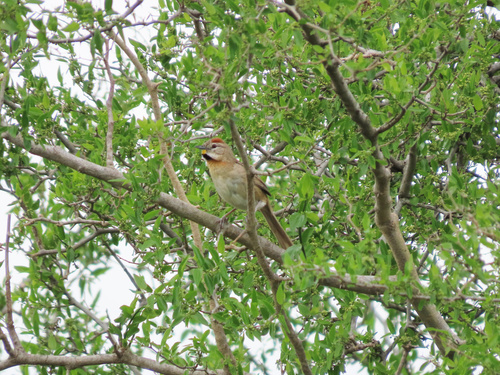 Pijuí Chotoy
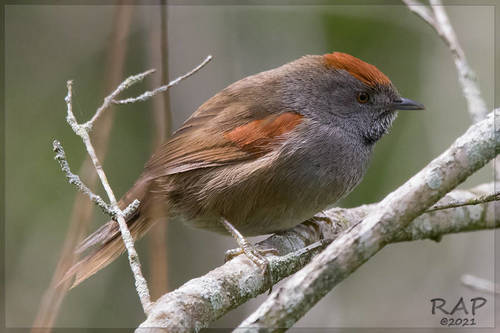 Pijuí Plomizo
En breve
La forma más confiable de separar el Pijuí Chotoy del Pijuí Plomizo es enfocándose en el patrón de la garganta y la cara: el Chotoy muestra un mentón y una garganta superior de un amarillo brillante con una nítida mancha negra cuadrada en la garganta inferior, mientras que el Plomizo tiene una garganta de color grisáceo blanco con una mancha negra menos definida y más difusa. El Chotoy también es notablemente más grande y de cola más larga, con un dorso más pálido y estriado y un supercilio blanco audaz. Los juveniles de ambas especies tienen manchas de garganta más apagadas y menos definidas, pero los juveniles de Chotoy aún muestran un mentón más pálido y un estriado menos marcado arriba. La estructura y la forma de la cola, así como las preferencias de hábitat, pueden ayudar cuando el plumaje está oscurecido.
Consejos de identificación
- Color de la Garganta y el Mentón (Todas las Edades): El Pijuí Chotoy siempre muestra un mentón y una garganta superior de un amarillo brillante, con una nítida mancha negra cuadrada en la garganta inferior, rodeada de blanco. El Pijuí Plomizo tiene una garganta de color grisáceo blanco con una mancha negra menos definida y difusa—nunca amarilla. Esta es la mejor marca de campo en cualquier edad.
- Supercilio y Cara: El Chotoy tiene un supercilio blanco audaz y cobertoras de oído de color marrón claro, mientras que el Plomizo tiene un supercilio gris pálido en una cara marrón grisácea. La cara del Chotoy parece más contrastante y abierta.
- Cresta y Dorso: La cresta del Chotoy es castaña con débiles estrías marrones, y su dorso es marrón arenoso con evidentes estrías marrones oscuras. El Plomizo tiene una cresta rufo (sin estrías) y un dorso marrón oscuro, careciendo del marcado estriado del Chotoy.
- Estructura de la Cola: La cola del Chotoy es larga, marrón claro y bastante uniforme con ejes negruzcos. La cola del Plomizo es más corta, marrón oscuro, graduada (en escalones), y las plumas centrales son puntiagudas. En vuelo o posado, el Chotoy parece tener una cola más larga y más alargada.
- Partes Inferiores: El Chotoy muestra un pecho superior de color albaricoque, un pecho inferior blanco amarillento y un vientre blanquecino, con flancos marrón amarillento. El Plomizo es marrón grisáceo en general, con un vientre marrón grisáceo más pálido y flancos más marrones—nunca albaricoque o blanco amarillento.
- Diferencias Juveniles: El juvenil Chotoy tiene una cresta marrón, un mentón blanquecino y una débil mancha negra en la garganta, con un estriado menos marcado arriba. El juvenil Plomizo tiene una cresta marrón grisácea, partes inferiores marrón ocráceo, y una mancha de garganta menos definida, pero la garganta sigue siendo grisácea, no amarillenta.
- Color de Alas y Hombros: Las alas del Chotoy son mayormente marrón claro con un hombro castaño, mientras que las cobertoras de alas menores del Plomizo son rufo y el resto del ala es marrón oscuro con amplios bordes rufos. En luz pobre, el ala del Plomizo puede parecer más oscura y contrastante.
- Pico y Piernas: Ambos tienen un color de pico y piernas similar, por lo que estos no son útiles para la separación en el campo.
- Tamaño y Estructura: El Chotoy es notablemente más grande (20–22 cm vs 16–17 cm) y más pesado (15–22.5 g vs 13 g). Parece más esbelto y de cola más larga, mientras que el Plomizo es compacto y de cola corta. Usa esto solo cuando tengas una buena noción de la escala.
- Preferencia de Hábitat: En matorrales abiertos o semiabiertos, borde de bosque de galería, o borde de pantano, sospecha del Chotoy. En crecimiento secundario denso y arbustivo o sotobosque de la Selva Atlántica, el Plomizo es más probable. Sin embargo, ambos pueden superponerse en algunos hábitats de borde.
- Comportamiento: El Chotoy es más propenso a posarse y ser conspicuo, mientras que el Plomizo es más secreto, permaneciendo bajo en la cubierta densa.
- Vocalizaciones: La canción del Chotoy es una serie de notas "cho" de tono bajo, más profundas y resonantes que las del Plomizo. La canción del Plomizo es de tono más alto, musical y burbujeante. Si escuchas una canción profunda y ronca, piensa en Chotoy; si es una serie dulce y burbujeante, piensa en el Plomizo.
- Color del Iris: Ambos pueden mostrar iris de color rojizo a marrón, por lo que esto no es una marca de campo confiable.
- Temporada y Rango: Ambas especies están presentes durante todo el año en gran parte de su rango, pero el Chotoy es más extendido en campos abiertos, mientras que el Plomizo está más ligado a la Selva Atlántica y elevaciones más altas.
- Trampas: En luz pobre o con vistas breves, el color de la garganta y la forma de la cola son los más confiables. Los juveniles de ambos pueden parecer más apagados, pero los juveniles de Chotoy aún muestran un mentón más pálido y un estriado menos marcado arriba que los del Plomizo.
Tamaño
El Pijuí Chotoy es significativamente más grande, midiendo 20–22 cm de longitud y pesando 15–22.5 g, mientras que el Pijuí Plomizo es más pequeño, con 16–17 cm y alrededor de 13 g. En el campo, el Chotoy parece más esbelto y de cola más larga, a menudo luciendo más alargado que el compacto Plomizo. Si se ven uno al lado del otro, la diferencia de tamaño es obvia, pero ten cuidado, ya que los pájaros solitarios pueden ser engañosos sin una comparación directa.
Plumaje
- Juveniles: Los juveniles de Chotoy tienen una cresta marrón, un mentón blanquecino y una débil mancha negra en la garganta, con un estriado menos marcado arriba. Los juveniles de Plomizo muestran una cresta marrón grisácea, partes inferiores marrón ocráceo, y una mancha de garganta menos definida, pero su garganta sigue siendo grisácea en lugar de amarillenta.
- Adultos: Los adultos de Chotoy son distintivos con un supercilio blanco, cobertoras de oído marrón claro, una cresta castaña con débiles estrías, un dorso marrón arenoso con audaces estrías oscuras, y una cola larga y marrón clara. La garganta es diagnóstica: mentón/garganta superior amarillos brillantes, una nítida mancha negra cuadrada en la garganta inferior rodeada de blanco, y un pecho superior de color albaricoque. Los adultos de Plomizo tienen un supercilio gris pálido, cresta rufo, dorso y cola marrón oscuro, y una garganta grisácea blanca con plumas de la garganta inferior negruzcas bordeadas de gris. Sus partes inferiores son marrón grisáceo, careciendo de los tonos albaricoque o blanco amarillento del Chotoy. La cola del Plomizo es marrón oscuro, graduada, y las plumas centrales son puntiagudas, a diferencia de la cola larga, pálida y más uniforme del Chotoy.
Comportamiento
Ambas especies forrajean en parejas y son activas en hábitats arbustivos o de borde. El Pijuí Chotoy es a menudo más conspicuo, moviéndose a través de áreas abiertas o semiabiertas y posándose más alto, mientras que el Pijuí Plomizo tiende a permanecer bajo en la densa maleza y es más esquivo. El Chotoy puede ser más fácil de detectar en vuelo o posado, mientras que el Plomizo es más probable que se vislumbre brevemente mientras se mueve a través de la cubierta densa.
Hábitat
El Pijuí Chotoy prefiere paisajes abiertos a semiabiertos como sabanas arboladas, bordes de bosques de galería, matorrales a lo largo de cursos de agua, bosques de monte, y bordes de pantano, generalmente por debajo de los 500 m de elevación. El Pijuí Plomizo está más estrechamente ligado al bioma de la Selva Atlántica, favoreciendo el crecimiento secundario denso y arbustivo, restinga, campo rupestre, y hábitats arbustivos, y se encuentra hasta 2,200 m. En áreas superpuestas, el Chotoy es más probable que se encuentre en matorrales abiertos o de borde, mientras que el Plomizo en vegetación densa y baja.
Voz
La canción del Pijuí Chotoy es una serie distintiva de notas "cho" de tono bajo, sonando sorprendentemente profunda para su tamaño, y puede incluir una serie compleja y parloteante. El Pijuí Plomizo emite una frase de cinco sílabas con una calidad burbujeante ("¡dulce! bee bee bee bee"), y un repetido "wee'tiddledidee". La canción del Chotoy es más baja y resonante, mientras que la del Plomizo es de tono más alto y más musical. Las llamadas no se describen en detalle para el Plomizo, pero la llamada del Chotoy es apresurada y distintiva.